

Advancing US-Africa Energy Partnerships: Key Takeaways from the Powering Africa Summit
The recent Powering Africa Summit marked a pivotal transition towards actionable implementations in US-Africa energy partnerships, emphasizing the importance of bankable projects and scalable infrastructure. With prominent figures advocating for significant advancements in energy access, the summit highlighted both challenges and opportunities within the energy landscape.
Focus on Practical Implementation
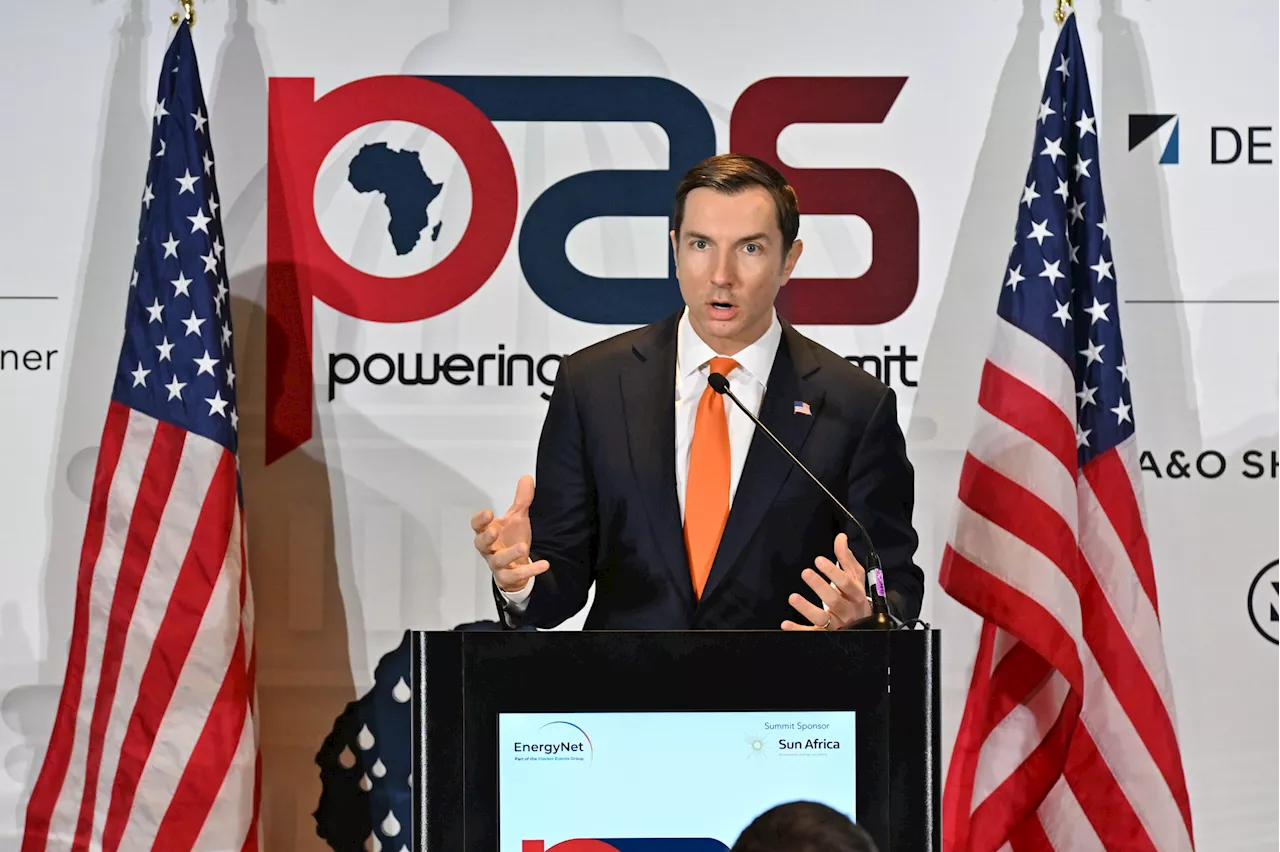
The summit commenced with discussions framed by a clear intent to move from theoretical plans to practical outcomes. Key stakeholders, including sponsors like Sun Africa and various government officials, stressed the necessity for sustainable investment frameworks. Adam Cortese, CEO of Sun Africa, articulated the centrality of energy as a vital element for not only economic growth but also transatlantic cooperation. He noted that energy serves as the backbone that connects industrial development and economic opportunities on both sides of the Atlantic.
Highlighting Successful US-Africa Partnerships
Cortese presented existing projects as benchmarks for success in US-Africa cooperation. More than just basic energy facilities, these projects energize factories, enhance transportation networks, and bring electricity to underserved regions. A significant announcement highlighted a new initiative in Liberia, aimed at harnessing solar energy to yield up to 500 megawatts of power, supported by 200 megawatt-hours of battery storage. This initiative is designed not only to bolster energy access but also to support the mining sector, creating robust supply chains beneficial to US industries.
The Drive for Economic Transformation
Ruth Ssentamu, Uganda’s Minister of Energy & Mineral Development, emphasized the critical role of energy access in driving economic transformation during her address. She highlighted that overcoming energy poverty is essential for societal advancement and urged participants to shift focus from mere planning to execution. Ssentamu explained that providing electricity alone is insufficient without ensuring its productive utilization to foster genuine socioeconomic development.
Maximizing Opportunities in Critical Minerals
Acacia Mbongo, Minister of State for Hydrocarbons from the Democratic Republic of the Congo (DRC), outlined a strategic vision that positions her country at the heart of the global energy transition. She identified three crucial challenges for the future of energy: oil, natural gas, and critical minerals. Mbongo’s strategic plan includes inviting US investors to explore opportunities in oil and gas, and to develop infrastructure that supports critical mineral supply chains.
US Commitment to African Investments
John Jovanovic, president and chairman of the US Export-Import Bank (EXIM), reaffirmed the United States’ commitment to increasing its financial footprint across Sub-Saharan Africa. With active engagement in nearly all 49 countries, Jovanovic reported a significant doubling of financing aimed at strengthening energy supply chains.
A Shift Towards Deliverables
The overarching message from the summit was clear: the US-Africa energy partnership is progressing into a phase heavily centered on deliverables and tangible results rather than mere dialogue. This evolution highlights a commitment to bringing energy projects to fruition, focusing on sustainable energy infrastructure and investment opportunities that promise long-term growth and prosperity for both regions.
Conclusion: Forging a Sustainable Energy Future
The Powering Africa Summit served as a vital platform for redefining US-Africa partnerships in energy. By emphasizing bankable projects, transparent frameworks, and scalable models, stakeholders underscored the need for a cohesive plan that marries energy access with global resource management. This commitment signifies a turning point in energy collaborations, fostering a secure and prosperous future on both sides of the Atlantic, all while harnessing critical minerals and enhancing the supply chain for economic growth.
For more details on these developments, you can read additional news articles on the topic here.
