

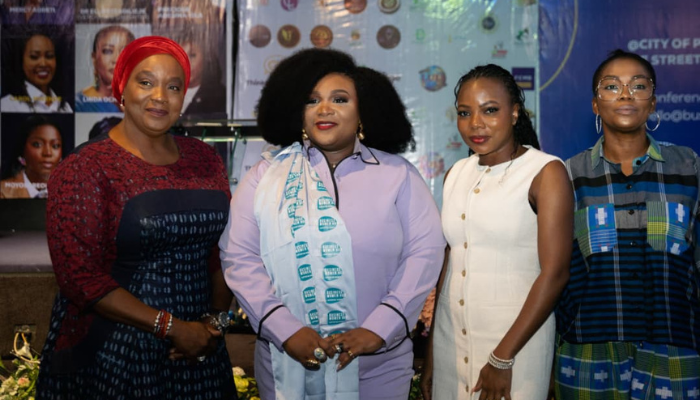
Empowering Women-Led Enterprises: Highlights from the 2026 Business Women Hub Africa Conference
Business Women Hub Africa’s annual conference in 2026 underscored the vital elements of structured growth, funding access, and collaborative networks for women-led enterprises. The event attracted industry leaders, professionals, and aspiring entrepreneurs, pushing for a shift from survival tactics in entrepreneurship to a focus on sustainable scaling.
Conference Overview: “Balance to Scale: Empowered Women and Its Gain”
Held on March 27, the conference resonated with the global theme of “Give to Gain” in celebration of International Women’s Month. Discussions highlighted the importance of sustainable business models through strategic planning, collaboration, and opportunity access.
Opening Remarks: The Economic Impact of Women in Business
Princess Damilola Sonayon James, Assistant Women Leader of the APC in Lagos State, set the stage with her opening address, emphasizing the connection between women’s business participation and broader economic outcomes. She outlined how empowering women in business not only strengthens leadership pipelines but also fosters inclusive growth.
The Path to Empowerment: Key Takeaways
Throughout the event, speakers discussed empowerment in relation to identity, access, and structure. Stella Damasus, an actress and advocate, encouraged participants to challenge limiting labels in business and society while maintaining clarity in their decision-making processes. Toun Okewale Sonaiya, Chair and Co-Founder of Women Radio Nigeria, elaborated on the theme “Give to Gain,” framing empowerment as intentional access, supported by consistent collaboration.
Building Sustainable Enterprises
Yetunde Bankole-Bernard, Director at Finchglow Holdings and CEO of YBB Company, shared insights on the necessity of specialization, delegation, and self-trust in scaling businesses. She indicated that establishing a robust structure is crucial for managing growth, allowing founders to maintain focus on their long-term vision. Adedoja Allen, MD and CEO of City 105.1 FM, echoed this sentiment, citing persistence, value creation, and legacy as essential components for lasting impact.
Practical Insights: Engaging Sessions and Expert Contributions
A variety of speakers, including Mercy Agbeti, Nnenna Jacob-Ogogo, and Precious Adesina-Ola, expanded discussions into practical areas such as business visibility, leadership positioning, and long-term sustainability. Interactive engagements were orchestrated to help attendees bridge strategy with execution.
Balance as a Strategic Tool
One of the recurring themes was the understanding that balance is not merely a constraint but a vital strategic tool. Experts noted that growth driven solely by activity without structured planning could hinder long-term success. Deliberate planning was emphasized for its potential to enhance decision-making and enable sustainable growth.
Support Initiatives and Awards
Imelda Usoro-Olaoye, the founder of Business Women Hub Africa, reaffirmed the organization’s commitment to supporting early-stage female entrepreneurs. Since its inception in 2020, the Hub has empowered over 1,200 women across Nigeria and the diaspora by providing invaluable resources, training, and market access.
The importance of financial support was palpable with the introduction of the Business Women Hub Grant, which allocated N3,750,000 to eight women-led businesses including Dharkag Foods and Pemnia Wellness. The selection process involved rigorous assessments based on specific business criteria and growth potential.
Media Visibility and Market Access
The conference also paved the way for enhanced media exposure, awarding 20 slots to members of the Business Women Hub community via Women FM 91.6 and City FM 105.1. This initiative aims to boost brand visibility and audience reach for participating entrepreneurs.
Conclusion: A New Era for Women-Led Enterprises
The combination of funding assistance, strategic discussions, and increased visibility reflects a concerted effort to reposition women-led enterprises within the economic landscape. As stakeholders advocate for improved structures to support growth, the focus is decisively shifting toward equipping women not just to participate in business but to build enterprises that create long-term value and impact.
