

Climate Change: A Daily Reality in African Classrooms
Understanding Climate Change in Education
Across eastern and southern Africa, climate change no longer exists as a mere academic theory; it has become a lived reality for students and educators alike. Teachers find themselves grappling not only with the concepts of rising temperatures and erratic rainfall but also with tangible impacts on their students’ lives. Many students arrive at school hungry due to drought conditions that have devastated their families’ agricultural resources. Lessons are often improvised under trees to escape the sweltering heat or conducted in makeshift spaces when heavy rains damage school infrastructures.
Research insights from teachers in Zimbabwe, Malawi, South Africa, Kenya, and Rwanda paint a vivid picture of the challenges faced and the innovative solutions embraced in classrooms facing climate disruption. While these educators report significant hardship, they also exhibit remarkable resilience and creativity in addressing the issues brought on by climate change.
Educators on the Frontline of Climate Adaptation
The implications of climate change are extensive, affecting environmental systems, human health, economic stability, and social development. Africa is particularly vulnerable to climate change, despite contributing minimally to global emissions. As a result, education becomes a vital tool in building local adaptive capacities. Climate Change Education (CCE) helps empower individuals and communities with essential knowledge and skills for both adaptation and mitigation. International agreements, such as the UNFCCC and the Paris Agreement, underscore the importance of education in global climate action.
Culturally Relevant and Participatory Approaches
Experts argue that effective CCE in Africa must transcend Eurocentric methodologies by integrating indigenous knowledge and culturally relevant practices. This localized approach not only enhances the relevance of climate education but also fosters community ownership and promotes sustainable behavioral change. Techniques such as drama, storytelling, and music are utilized to simplify complex climate topics and engage young people effectively.
A shift is strongly advocated from traditional classroom instruction toward experiential learning that is rooted in local contexts. For instance, a 2025 study in Ghana revealed that field-based climate learning significantly improved environmental stewardship and advocacy skills among students.
The Resource Gap: A Significant Barrier
Despite the enthusiasm and resourcefulness demonstrated by educators, a glaring lack of resources hampers effective teaching. Common challenges faced by teachers include inadequate access to digital devices and the internet, insufficient textbooks, and poor infrastructure. This scarcity was also noted in other regions, including South Africa and Nigeria, where educators struggle to integrate climate education into everyday curricula.
Many teachers also lack specialized training and resources to address climate change effectively. Institutions of higher learning often report how climate impacts hinder academic progress and jeopardize educational infrastructure.
Insights from Teachers Across Five Countries
The data collected includes perspectives from 29 educators and over 200 students across Kenya, Malawi, Rwanda, South Africa, and Zimbabwe. The findings illustrate that many educators operate in under-resourced rural areas where climate risk is greatest. While all teachers have mobile phones or tablets, access to essential resources, such as the internet and computers, remains uneven, greatly affecting their ability to deliver rich climate education.
Innovations in the Face of Resource Scarcity
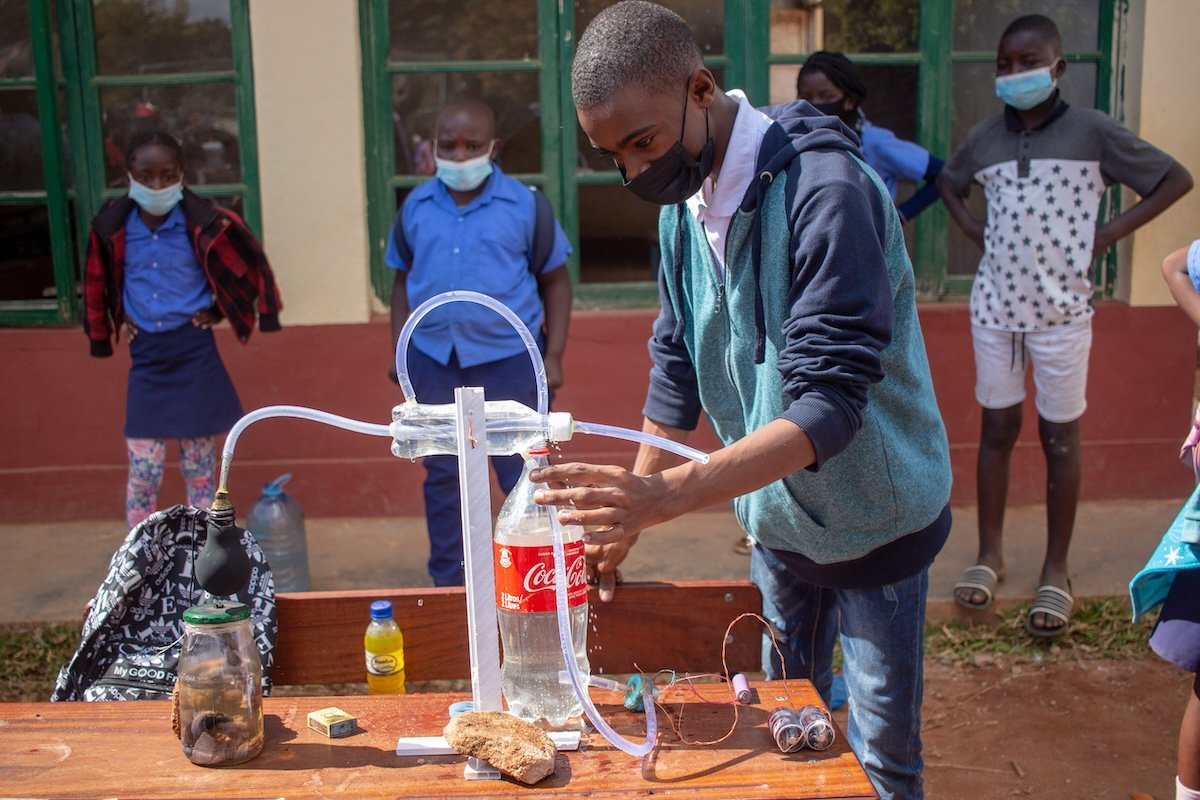
With limited resources, teachers harness their creativity and resourcefulness, using available tools to engage students:
- Drama and Roleplay: Simulating climate impacts through performance art.
- Music and Songs: Creating memorable ways for students to retain complex concepts.
- Storytelling: Telling local tales of extreme weather events to ground learning in real experiences.
Bringing Education Outdoors
Teachers are establishing micro-demonstration sites, where students can learn about soil erosion and afforestation firsthand. Practical, outdoor learning helps concretize abstract climate concepts and encourages a connection between students and their environment.
Making Use of Real-Life Crises
Crises like drought and storms serve as teachable moments, allowing educators to effectively impart critical climate education. Teachers utilize everyday challenges to discuss adaptation strategies and necessary community actions.
The Emotional Toll on Educators
While teachers strive to innovate, they also face immense pressure. Without adequate educational tools, they become overworked and under-prepared. Factors such as high teacher-student ratios and limited time set against a backdrop of hunger and social responsibilities among students further complicate the learning environment.
Many students perceive climate change as an abstract concern—distracted by hunger or overwhelmed by household chores. Teachers are challenged to break down these barriers and engage with students on a personal level.
Teachers as Community Leaders
In addition to their roles as educators, teachers are emerging as community leaders in climate resilience. They spearhead initiatives like tree-planting drives and clean-up campaigns while promoting sustainable practices among the youth and their families.
Teachers emphasize several effective strategies for engaging students in climate education:
- Experiential Learning: Utilizing art and games to enhance understanding.
- Peer-to-Peer Learning: Fostering youth clubs where students share knowledge.
- Local Contextualization: Using relevant examples from students’ own lives to make learning more relatable.
What Educators Need for Successful Implementation
To enhance their impact, educators seek:
- Resource Allocation: Access to ICT tools, the internet, and updated educational materials.
- Training and Professional Development: Opportunities for workshops and skill-building to ensure they are well-equipped to educate on climate issues.
- Recognition and Support: Acknowledgment from leadership and meaningful roles in shaping education policy.
Conclusion: The Path Forward
Teachers are not just passive observers; they actively shape the future through thoughtful, innovative practices. Their roles transcend the classroom, as they inspire the next generation to grapple with and respond to climate change challenges.
Research indicates the pressing need for systemic support, focused on empowering educators in their endeavors to foster climate literacy among young people. As governments begin integrating Climate Change Education in curricula, meaningful investments in training, resources, and institutional support are critical.
Looking ahead, the involvement of teachers is essential for nurturing a more climate-resilient generation. For further reading on climate education strategies, check out ways to integrate education into climate action and enhance community resilience.
By resourcing, training, and honoring these educators, we can cultivate the seeds of resilience for future generations.
