

Understanding African Agency: The Role of Dignity in Global Engagement
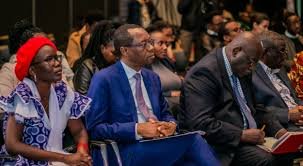
At the center of enhancing African agency lies the foundational concept of dignity, both at the individual and collective level. This vital topic emerged during the African Public Square Global Edition open debate held at King’s College London, where scholars, policymakers, and diplomats convened to discuss Africa’s significant role within the global context.
African Agency in a Multipolar World
In today’s rapidly changing geopolitical landscape, Africa possesses remarkable agency. Historically, this agency has allowed the continent to navigate complex international relations, marked by shifting alliances and increasing multipolarity. The essential question now is not whether this agency exists, but how it is expressed and resourced. This dialogue is crucial in understanding Africa’s potential to shape its own future and that of global affairs.
The Importance of Dignity in Agency
Dignity transcends mere moral or symbolic significance; it is a prerequisite for empowering African nations to reclaim their narratives and assert their identities. The connection between dignity and agency reveals that African influence on global matters is intertwined with core issues of power, voice, and representation. Participation in the global arena must also encompass the terms of that participation and ensure equitable structural conditions.
Historical Context: Dignity and Nationalism
The framework for understanding dignity and agency can be traced back to mid-20th-century nationalist movements. Leaders from this era emphasized that genuine development and autonomy are intrinsically linked to restoring dignity, which had been stripped away during colonial rule. This perspective does not solely focus on political independence but also encompasses psychological and cultural restoration, allowing African societies to engage with the world on their terms.
Colonial Legacies and Modern Implications
The impact of colonialism continues to influence modern representations of Africa in international discourse. Colonial narratives often portrayed African societies as inferior, perpetuating a cycle of dependence on external aid and guidance. Renowned intellectuals such as Steve Biko, Leopold Senghor, and Kwame Nkrumah argued for a restoration of dignity that would lend credibility to African institutions and cultures.
Fanon and the Psychological Dimension of Liberation
Writings by figures like Frantz Fanon highlight that liberation encompasses more than dismantling colonial structures; it also requires a reconstruction of self-respect and confidence. Fanon asserted that political independence is incomplete without this psychological transformation, emphasizing that African agency is contingent on reclaiming dignity within the international framework.
Global Governance: Voice and Representation
Despite Africa’s wealth of resources, the continent historically has had limited influence in global governance structures, such as the International Monetary Fund (IMF) and World Bank. These institutions significantly shape development policies yet often lack meaningful African representation in decision-making processes. Effective participation necessitates not only voice but also the agency to shape the rules and norms that govern international cooperation.
The Interplay Between Sovereignty and Economic Capacity
Sovereignty traditionally denotes the ability of a state to govern independently. While African nations achieved political sovereignty post-decolonization, many still grapple with economic dependencies that restrict true autonomy. Thus, agency, dignity, and sovereignty are intricately connected; without economic capacity, the ability to pursue independent policies becomes severely limited.
Changing Narratives: The Role of Intellectual Autonomy
How Africa is perceived globally significantly influences its agency. Dominant narratives often frame the continent in terms of crises and instability, facilitating paternalistic approaches from external actors. Academic discourse should increasingly be informed by African perspectives, as articulated by scholars like Archie Mafeje, who championed intellectual autonomy in African studies to develop frameworks that resonate with the continent’s realities.
Conclusion: Dignity as the Core of Agency
The intricate relationship between dignity and agency underscores a profound truth: the capacity to act, influence, and negotiate globally is rooted not just in material resources but also in the confidence and legitimacy derived from dignity. To foster true agency, African societies must assert their interests in international debates and pursue development strategies that reflect their values and priorities.
In this ongoing quest for agency, restoring dignity is essential. It empowers Africa to engage with the international system confidently and constructively, ensuring that African societies are respected and acknowledged on the global stage.
