

The Future of Africa’s Energy Landscape: A Call for Strategic Transformation
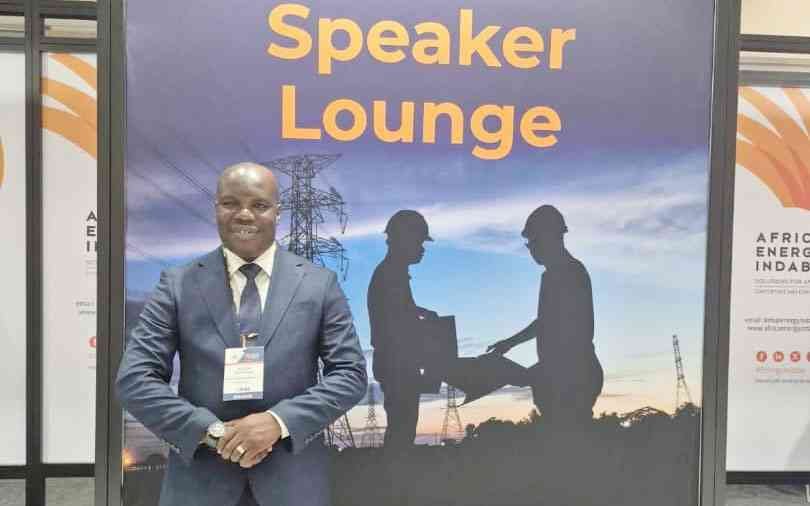
The Africa Energy Indaba 2026 at the Cape Town International Convention Centre showcased the continent’s potential to reshape its energy future. This prestigious event unites policymakers, engineers, investors, and industry leaders to discuss critical developments in energy.
A Moment of Recognition
The gathering served not only as a platform for discussing energy strategies but also as a recognition of the evolving role of institutions like Power Giants Southern and East Africa. Their participation as contributors and speakers underlines the importance of advancing energy dialogue across the continent.
Africa: An Energy Inflection Point
Africa stands at a pivotal moment in its development. Just as engineers tackle grid instability through intelligent redesign, the continent must recalibrate its energy systems to align with economic growth and sustainability. Energy is not just a sector; it is the vital backbone of national development, driving industries, healthcare, digital economies, and education.
Harnessing Africa’s Rich Resources
Africa is abundant in resources, boasting:
- Vast solar irradiation areas
- Strong wind corridors
- Significant hydropower resources
- Extensive gas reserves
- Essential minerals for global energy transitions
The essential question is not about the availability of resources but rather the strategic engineering of these resources for African prosperity. President Cyril Ramaphosa’s push for mineral beneficiation highlights the necessity for Africa to process its raw minerals locally, thus enhancing its industrial base.
Engineering a Balanced Energy Transition
A balanced energy transition for Africa requires the integration of diverse energy sources and technologies:
- Utility-scale renewable energy through smart inverters
- Battery Energy Storage Systems
- Modernised transmission networks
- Regional interconnectors for optimized energy use
- Governed gas and nuclear energy for reliable baseload
Decentralised Energy Systems: Building Resilience
The significance of Decentralised Energy Systems was a key discussion point at the summit. Contrary to common misconceptions, decentralisation is not a departure from the national grid; it enhances resilience through innovative modular architectures. This allows for greater energy independence and faster access for rural communities, ultimately bolstering system reliability.
Regional Integration: Strengthening Energy Networks
Modern power systems thrive on interconnectedness. Africa must enhance its efforts toward regional power integration, as demonstrated by the Southern African Power Pool (SAPP). This strategic collaboration improves reliability and energy security while optimizing system costs through cross-border electricity trading.
Policy as a Cornerstone of Stability
Effective policy is crucial for forging a stable energy framework. Governments should focus on:
- Transparent regulatory systems
- Reliable power purchase agreements
- Consistent tariff structures
- Efficient licensing
- Investment-friendly policies
Investing in Human Capital: Africa’s True Power Source
While technology is vital, it is the people who will drive transformation. Africa should prioritize investments in:
- Engineering education
- Technical training
- Research initiatives
- Youth involvement in STEM fields
By nurturing professionals in fields like grid specialization and renewable integration, Africa can build sustainable energy sovereignty.
Charting the Path for Africa’s Energy Renaissance
As discussions wrapped up at the Indaba, the consensus was clear: Africa must prioritize electricity access through initiatives like Mission 300, and it must also focus on the beneficiation of its natural resources. The continent’s wealth in sunlight, wind, rivers, and minerals must be mobilized for local development.
Conclusion: A Call to Action
The roadmap for Africa’s energy future is one of resilience, integration, and inclusivity. To transition from energy deficit to sovereignty, coordinated execution and visionary leadership are essential. The time is now for Africa to harness its potential and power its future.
