

Breaking Barriers: Women Take the Wheel in Kano’s Rickshaw Revolution
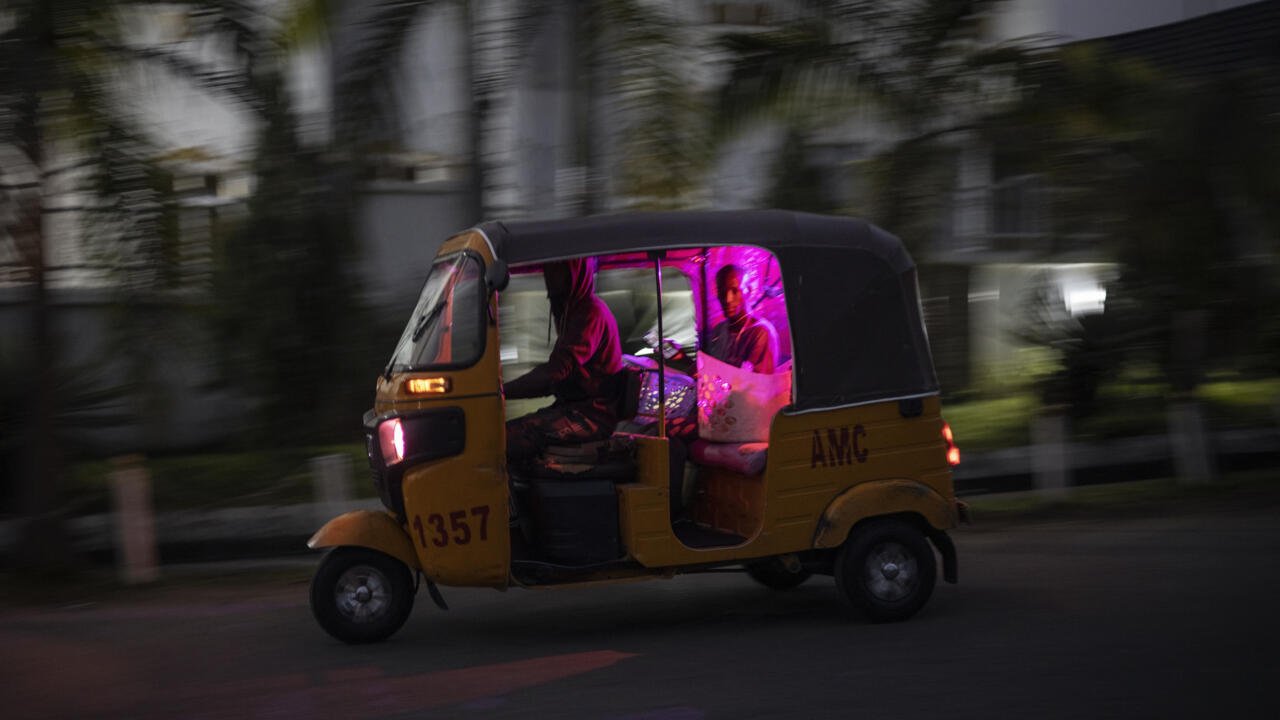
Kano, Nigeria (AFP) – In a bold move that defies tradition, Umma Hani Yusuf Khalid, donned in a striking pink knee-length veil, has established her financial independence as a rickshaw taxi driver in the conservative city of Kano. This profession, once viewed as unthinkable for women, has enabled her to improve her life significantly.
Empowering Women Through Transportation
As Nigeria grapples with economic hardships, more women are stepping into roles traditionally held by men. Khalid’s vibrant three-wheeled electric rickshaw stands out on the bustling roads of Kano, as she picks up female passengers in her community. As a 35-year-old divorced mother of two, she proudly joins the ranks of 100 women taxi drivers under the Mata Zalla cooperative, which focuses on promoting women’s empowerment.
Khalid, who transitioned from selling footwear to driving just 18 months ago, notes, "As a female rickshaw operator, you need to be strong because you made the resolve to go through all kinds of challenges." Her decision has not only improved her income but also allowed her to rebuild her home and support her two nieces’ marriages.
Daily Life Behind the Wheel
Her job is demanding; she begins each day by commuting 15 kilometers to the Mata Zalla office, where she then drives passengers back home. Khalid skillfully manages her responsibilities, stopping to care for her children before taking to the streets once more. Her advice for handling the pressures of the job? "Just remain composed behind the wheel. That’s what is required from you."
Mata Zalla: A Catalyst for Change
Mata Zalla, which translates to "exclusively women" in the local Hausa language, is a critical initiative aimed at creating employment opportunities for women in an area challenged by poverty. Kano State operates under Sharia law, which runs alongside Nigeria’s state and federal justice systems. This framework has led to a high divorce rate, leaving many women, like Khalid, to support their families independently.
With funding from a loan and a partnership with an electric rickshaw assembly plant in Lagos, Mata Zalla launched a women’s taxi business. Female drivers gradually purchase their rickshaws through a wage deduction scheme that spans three years. Hauwa Ahmad Tarauni, co-founder of Mata Zalla, explains, “We thought that this is a lucrative business which women were not benefiting from and had been left for men.”
The Growing Demand for Female Taxi Drivers
Since the introduction of yellow petrol-powered rickshaws in 2005, these vehicles have become the primary mode of transportation for Kano’s five million residents. Currently, around 60,000 rickshaws are predominantly operated by men, highlighting the significant gap in women’s participation in this sector.
Mata Zalla has implemented two solar-powered charging stations where drivers can quickly swap their vehicle batteries monitored through a smartphone application. Although driving offers its challenges, Khalid remains optimistic. "They harass us, look down on us as women who are weak… they harass us by trying to hit us," she recounts about the conduct of some aggressive male drivers.
Despite the risks, the pink rickshaws have experienced minimal accident rates, as drivers receive training at the city’s vehicle inspection office. While the enforcement of segregated transportation for men and women remains inconsistent in Kano, Mata Zalla aims to ensure a safer environment for women by allowing only female passengers.
Looking to the Future
The demand for female-driven transportation options is surging. Sarah Abner, a pregnant passenger, expresses her comfort stating, “[I ride] because she is a woman like myself and it is not good for the woman to take a keke (rickshaw) with a man inside.” The positive feedback has prompted Tarauni to seek additional funding to expand the fleet of rickshaws, as around 200 women are currently on a waiting list to join the cooperative.
“The transportation market in Kano is huge; we need more rickshaws because the 100 we currently have are just a drop in the sea,” Tarauni asserts.
As more women like Khalid take the initiative to drive, they not only redefine gender roles within their communities but also pave the way for future generations to break free from traditional barriers.
For more on the impact of female empowerment in Nigeria, visit Women’s Rights Organizations or learn about local initiatives promoting gender equality.
