

Celebrating Urhobo Highlife: Connecting Cultural Roots through Dance
The Unique Sound of Urhobo Highlife
Urhobo highlife music produces a distinct sound that captivates listeners both in Delta State and beyond. Renowned artists such as Go-Slow Di, Omokomoko, and Eghweyanudje have played pivotal roles in popularizing this infectious genre that resonates deeply with the Urhobo community. Their powerful vocals and melodious performances not only entertain but also serve as a bastion of Urhobo culture in an increasingly globalized world. This genre has proven crucial in maintaining cultural identity, especially among the younger generation, amid the encroaching influence of Western technology.
A Dance of Cultural Preservation
The significance of Urhobo highlife extends beyond music; it finds expression in dance as well. At the recent African Cultural Celebration Night held in London, UK-based dancer and movement artist Sophia Newton showcased how this genre can be a vital tool for promoting Urhobo cultural heritage. Her performance, titled Emete: The Daughters Who Remember, was inspired by the classic Urhobo folk song Emete ri Nigeria. This event highlighted the power of dance as a means to reconnect the diaspora youth with their cultural roots.
The Performance: A Celebration of Heritage
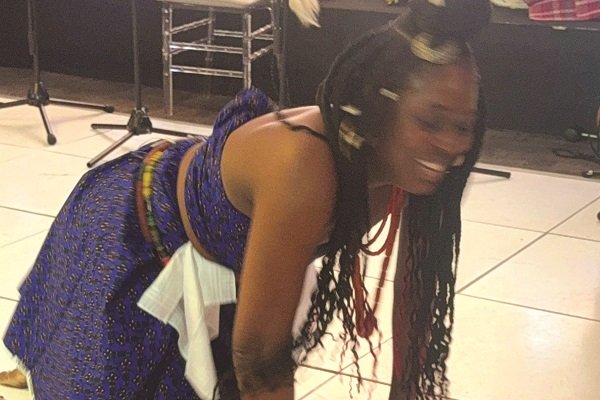
As Newton took the stage, the audience’s immediate applause signaled their anticipation and appreciation. Over the course of her three-minute performance, she embodied a strong sense of cultural identity through rhythmic footwork and deliberate movements. Each gesture felt intentional, drawing on the rich vocabulary of Urhobo traditions. However, the pacing occasionally risked becoming uniform, which could potentially limit audience engagement.
Despite these moments, her impressive control over movements, especially in her torso and hips, showcased her mastery of the dance form. Her ability to sustain rhythm independently of music was particularly striking. The interaction with the audience, marked by a guest showering her with currency, reflects a unique form of commendation within Urhobo cultural settings.
A Rich Tapestry of Expression
Newton’s attire, comprised of a blue wrapper adorned with dangling red beads and complemented by white handkerchiefs, beautifully represents the vibrant Urhobo dress culture. Her long, flowing hair moved harmoniously with the highlife beats, reinforcing the message woven into the performance: that dance is deeply intertwined with aesthetics and cultural significance.
Urhobo dance, like many Nigerian traditional forms, is steeped in storytelling, celebration, and sometimes even satire. Newton’s solo performance served as a testament to this, emphasizing discipline and clarity while exposing opportunities for deeper emotional engagement.
Cultural Significance of Emete ri Nigeria
Emete: The Daughters Who Remember is more than just a dance; it is a powerful statement of cultural pride. Newton’s performance echoes the sentiments of Go-Slow Di’s hit song Emete ri Nigeria, originally released in 1977. This classic touches on the decline of moral values, particularly regarding marriage norms, making it timeless and resonant among the Urhobo community.
Dance as a Bridge to Identity
Newton envisions dance as a vital connection between culture, healing, and identity. It serves as a repository of memory and cultural responsibility, allowing individuals to not only remember but also actively engage with their heritage. The dance performance ultimately exemplifies how culture can travel and thrive, even far from its origins, thanks to dedicated ambassadors like Newton.
In conclusion, events like these underscore the importance of cultural expressions in the diaspora and celebrate the longevity of traditions like Urhobo highlife. As performers like Sophia Newton continue to showcase their roots, they remind us all of the rich tapestry of cultural heritage that exists worldwide.
