

African Economies: Journey to $100 Billion GDP Milestone
Africa’s economic landscape has been profoundly shaped by its diverse histories and resources since gaining independence. The journey to achieving a Gross Domestic Product (GDP) of $100 billion tells a compelling narrative of triumphs, challenges, and varied growth trajectories across the continent.
Nigeria: The Fastest to $100 Billion
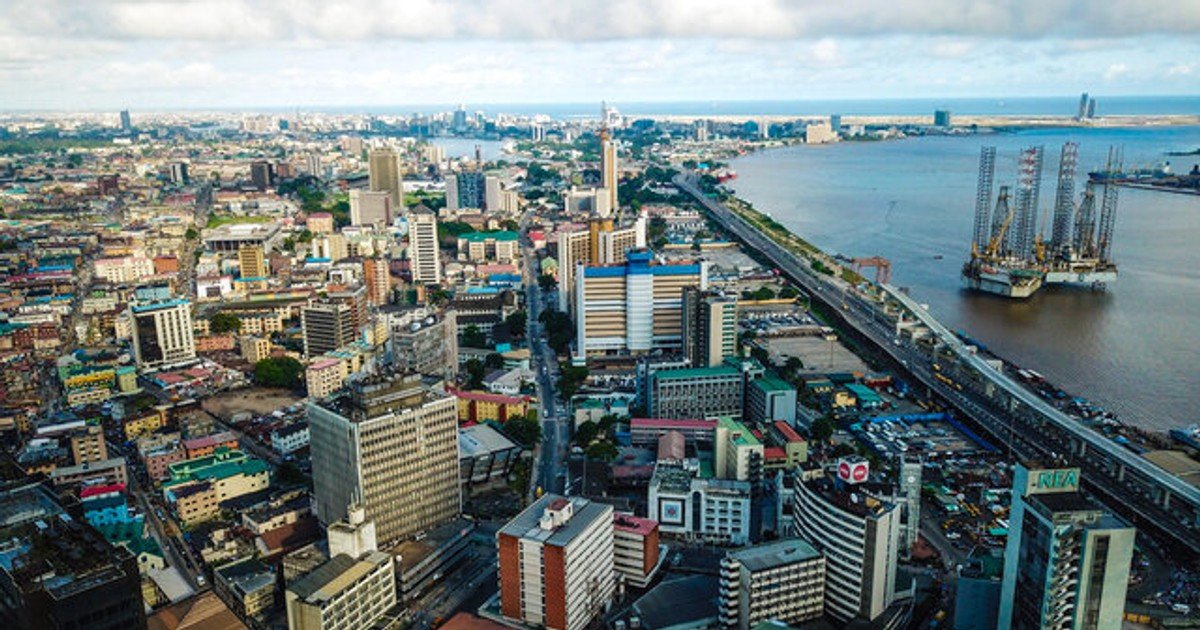
Nigeria made headlines by becoming the fastest African nation to reach a GDP of $100 billion, accomplishing this feat just 34 years after independence, in 1994. As Africa’s most populous country, Nigeria’s economy is primarily driven by its rich oil reserves, alongside robust sectors such as banking, telecommunications, and entertainment. The swift pace of growth highlights the influence of natural resources and domestic market potential.
Angola: A Swift Climb Post-Civil War
Angola achieved the $100 billion GDP milestone in 2011, 36 years after independence. The nation’s economy surged following the end of its civil war, largely propelled by oil exports during a global commodity boom. This remarkable recovery underscores the significant impact of resource wealth on national economic growth.
Algeria: Fueling Growth with Natural Resources
Within 43 years of independence, Algeria reached a GDP of $100 billion in 2005. The country’s extensive reserves of oil and natural gas have been instrumental in its economic development, forming a backbone for government revenues and overall growth, showing how vital natural resources can drive a nation’s progress.
Morocco: Diverse Economic Strategies
In 2008, Morocco celebrated reaching a $100 billion GDP, 52 years after independence. The nation has diversified its economy through substantial investment in sectors such as manufacturing, tourism, and renewable energy. This multifaceted approach has allowed Morocco to cement its position as one of North Africa’s more rapidly growing economies.
Kenya: Technological Innovation and Growth
Kenya marked its entry into the $100 billion GDP club in 2019, 56 years after independence. The nation’s economic engine is fueled primarily by sectors like agriculture, technology, and innovative financial services. Nairobi has emerged as a leading technology hub in Africa, further highlighting the importance of innovation in economic growth.
South Africa: A Strong Industrial Base
South Africa reached the $100 billion milestone in 1988, 57 years post-independence in 1931. The country’s industrial base, combined with a vibrant mining sector and advanced financial services industry, has significantly contributed to its economic advancement, making it one of the earliest African nations to cross this threshold.
Egypt: A Diverse Economic Landscape
Egypt crossed the $100 billion GDP mark in 1989, 67 years after gaining independence. As one of North Africa’s largest economies, tourism, agriculture, manufacturing, and the strategic Suez Canal play vital roles in Egypt’s growth story, contributing significantly to national income.
Ghana: Recent Achiever Set for Growth
Ghana, projected to reach a $100 billion GDP by 2025, becomes one of the newest members of this exclusive group 68 years after independence. The country’s steady economic growth is a result of its exports in gold, cocoa, and oil, coupled with reforms enhancing its financial and industrial sectors.
Ethiopia: A Long Journey to Growth
Ethiopia, however, took 81 years to reach the $100 billion GDP milestone, accomplishing this in 2022. Historically an agrarian society with minimal industrial activity, Ethiopia’s recent focus on infrastructure development and industrialization has led to significant economic expansion over the last two decades.
Conclusion
The varied paths African nations have taken to reach $100 billion GDP reflect their distinct economic policies, resource endowments, and historical contexts. From Nigeria’s rapid ascent driven by oil to Ethiopia’s infrastructural strides, these stories provide valuable insights into the continent’s economic potential and resilience.
For further reading on African economies and their growth trajectories, visit the International Monetary Fund for global economic insights and data.
Explore each of these countries further to understand the dynamic landscape of Africa as it continues to evolve.
