

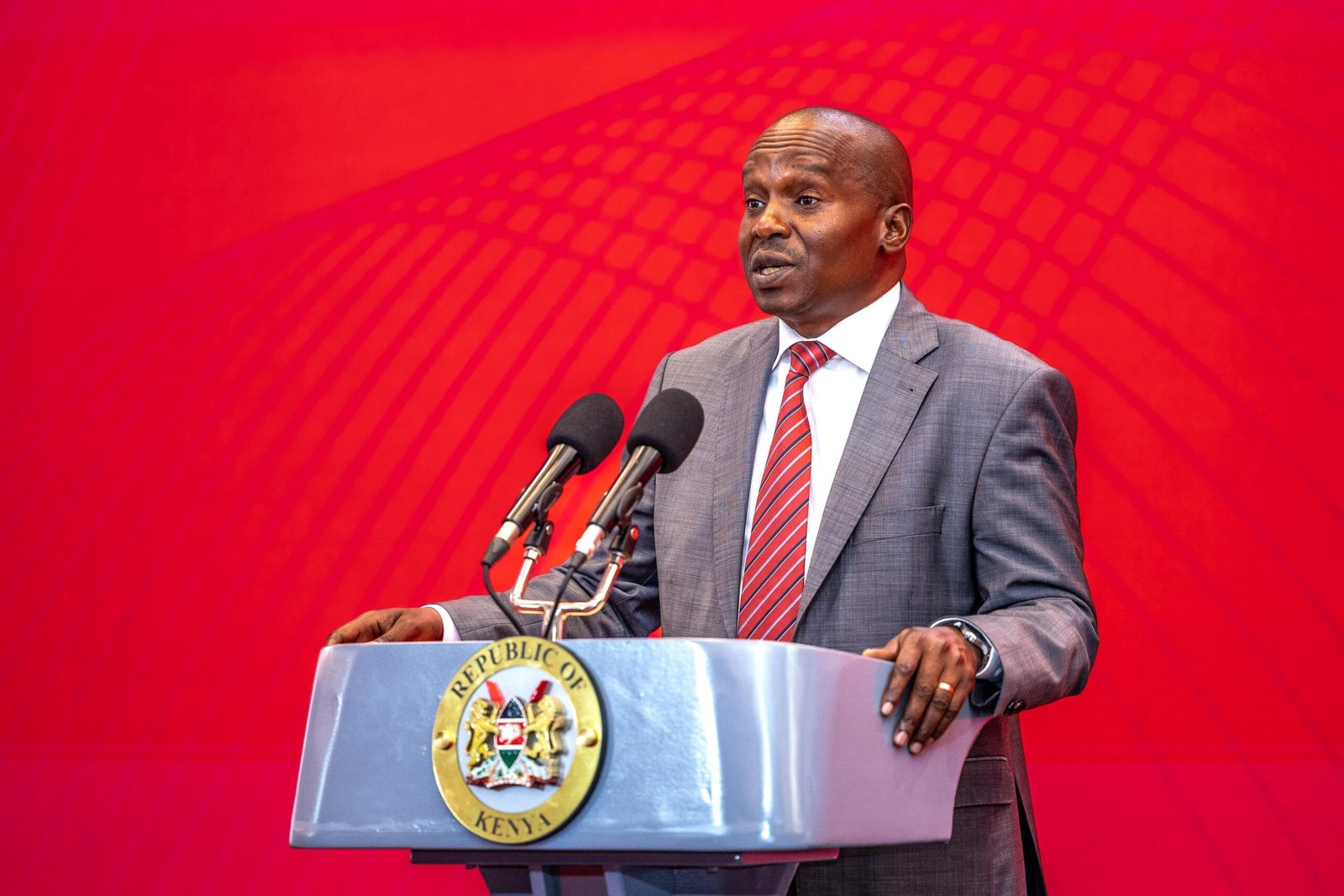
Empowering Africa: Deputy President Kithure Kindiki’s Call for Technological Transformation
Deputy President Kithure Kindiki has issued a clarion call to African nations to leverage technology and foster strong partnerships between the public and private sectors in a bid to accelerate the continent’s transformation. Addressing attendees at the Africa Green Industrialisation Initiative (AGII) Forum in Nairobi on March 27, 2026, Kindiki emphasized the critical role of technological adoption in shaping Africa’s future.
Technological Adoption: The Future of Africa
“The next 40 years will not be solely defined by globalization,” Kindiki stated, indicating that this shift is now history. “The future will hinge on people-centered transformation, technology investments, and public-private collaborations.”
He pointed out the necessity for Africa to embrace technologies that not only tackle current issues but also pave the way for a sustainable future. Notably, he stressed the importance of advancing technology in all economic sectors, especially the energy sector, where the continent continues to lag in the transition towards cleaner and renewable energy sources.
The Renewable Energy Challenge in Africa
Africa’s current renewable energy capacity stands at 56 gigawatts, significantly lower than the 300 gigawatts required to power its industrial and manufacturing sectors. To close this gap, Kindiki insisted that governments need to collaborate closely with private entities to harness the continent’s full potential.
“Public sector-driven reforms alone will not be sufficient in the future. We must engage with the private sector to transform our world. We must tap into their ideas and capital as we work together to drive progress,” he urged.
Kenya: A Beacon of Clean Energy
Highlighting Kenya’s pioneering efforts, Kindiki noted that the country generates 93% of its electricity from renewable sources, including geothermal, wind, hydro, and solar energy. “This positions Kenya among the world’s leaders in clean energy,” he said, offering a compelling case for investors seeking to establish low-carbon manufacturing platforms.
AGII Forum: Transforming Ideas into Action
The AGII Forum aims to turn concepts into bankable opportunities while facilitating genuine transactions in clean energy, sustainable industry, and green value chains. During this significant event, Kindiki unveiled a series of initiatives aimed at promoting sustainable cooking solutions.
New Initiatives for Clean Cooking Solutions
Among the initiatives launched were the Institutional Clean Cooking Investment Sector Pack, Kenya’s National Cooking Transition Strategy, and the Burn Manufacturing Electric Cookstove. Kindiki underscored the pressing need to improve energy accessibility across the continent, revealing that nearly 600 million Africans still lack electricity, and close to one billion people are without clean cooking options.
“In Kenya, we are repositioning clean cooking not merely as a philanthropic effort but as a strategic green investment opportunity,” he emphasized.
The Path Forward for Africa
Kindiki’s address at the AGII Forum marks a crucial step forward in promoting sustainable development across Africa. By focusing on technological advancement and public-private partnerships, the deputy president aims to inspire a unified effort to address the continent’s energy challenges and propel economic growth.
Investing in clean energy and sustainable solutions is essential for Africa’s development trajectory, providing not only ecological benefits but also economic prosperity. For more information on Africa’s renewable energy initiatives, explore IRENA for resources and updates.
