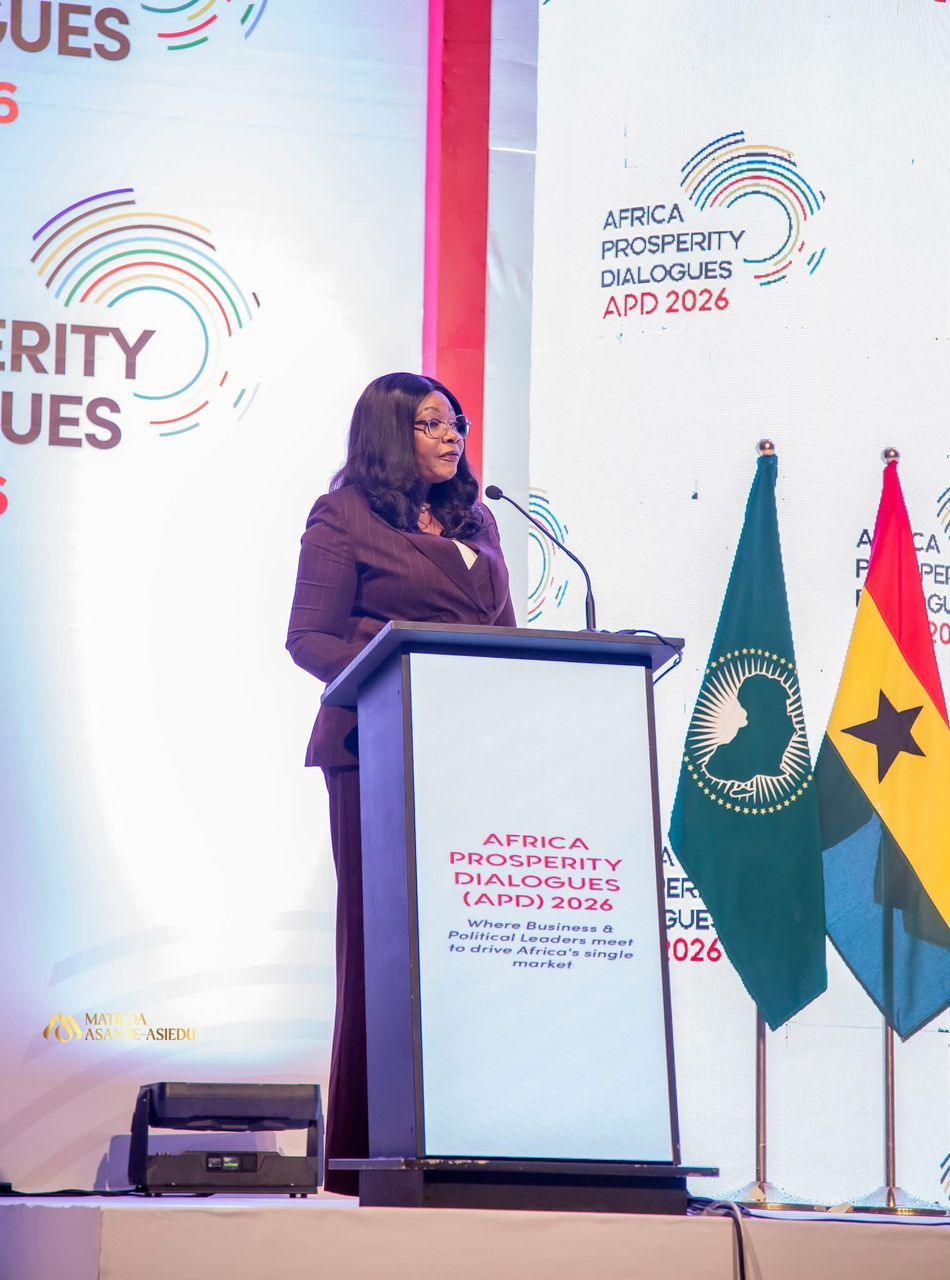
Building Financial Resilience in Africa: A Call for Internal Structuring
As uncertainties loom over the global economy, Africa faces a pressing challenge: how to establish genuine financial resilience amidst dwindling traditional aid resources. The continent must focus on a fundamental internal strategy led by local structures, rather than relying on external help.
The Roots of Resilience: An Internal Approach
According to Matilda Asante-Asiedu, the Second Deputy Governor of the Central Bank of Ghana, the continent’s path to resilience lies within. “Resilience starts from within,” she asserts. This perspective challenges the pervasive belief that Africa’s advancement hinges primarily on foreign investments.
Shifting the Narrative
Research shows that Africa possesses abundant resources that remain underutilized due to a lack of coordination. The continent’s financial assets, including pension funds, capital markets, remittances, and savings, collectively surpass one trillion dollars. However, these funds often fail to contribute effectively to sustainable development.
“The only problem is that it hasn’t been properly channeled into long-term investments,” states Asante-Asiedu.
The Issue of Fragmentation
Africa’s economic landscape is marked by 29 distinct stock and bond markets, each primarily operating within national limits. This fragmentation results in a financial system where capital, while abundant, struggles to move freely across borders.
For example, a Ghanaian investor cannot easily access capital from Kenya’s stock market, stifling potential growth opportunities. “A proper structure could enable borrowing across the continent, boosting both economies,” highlights Asante-Asiedu.
Rethinking Africa’s Financial Architecture
The call for a restructured financial system emphasizes integration over isolation. The challenges posed by geopolitical tensions and selective global capital further underline the necessity of developing substantial internal financial networks.
A Vision for Intra-Continental Collaboration
Asante-Asiedu envisions a future where Africa cultivates resilience through collaborative financial practices within the continent. By mobilizing capital from within, Africa can stimulate mutual economic growth.
Achieving this vision, however, requires more than just financial instruments. It calls for significant political will and active engagement from both policymakers and economic stakeholders to drive meaningful change.
The Dual Responsibility of Governance and Economy
This highlights a crucial insight: fostering financial unity in Africa is as much about governance as it is about economics. The shift from dependency to self-determination marks a broader transition across the continent.
A Practical Blueprint for the Future
Asante-Asiedu’s perspective offers a practical roadmap that recognizes existing resources as the foundation for future financial strategies. Instead of viewing resilience as merely an immediate response to economic pressures, she presents it as a long-term vision. This vision posits that Africa’s strength lies not in dependence on external aid, but in its ability to harness and optimize its own capital.
The pivotal question is no longer whether Africa possesses the resources necessary for financial transformation. The key inquiry is whether it is prepared to structure those resources effectively.
As the continent navigates its economic challenges, embracing this internal focus could pave the way for a more resilient financial future.