

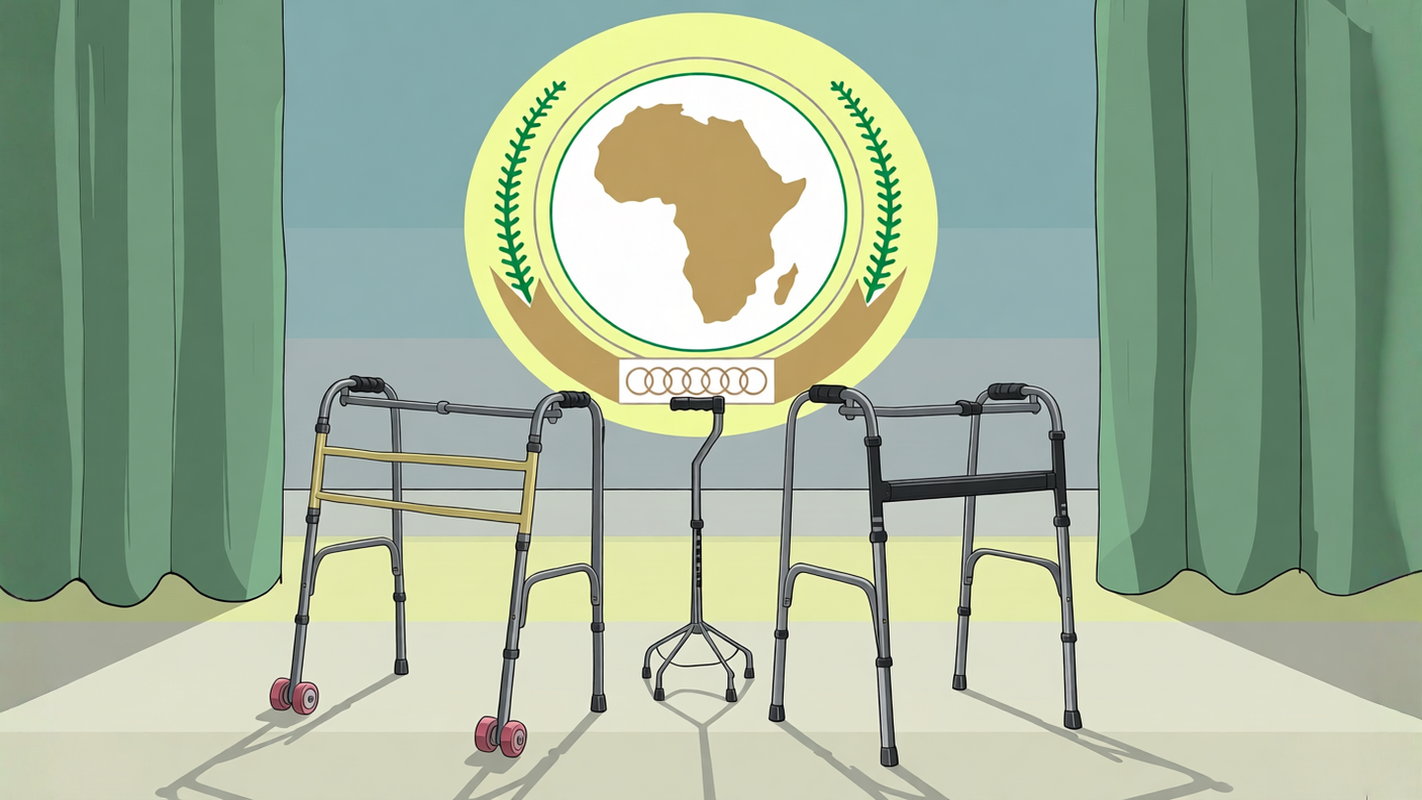
Age Crisis in Africa’s Leadership: The Need for Change
Africa is plagued by an entrenched gerontocracy that stifles democratic progress and economic growth. As the continent’s leaders age, the youth—comprising over 70% of the population—face an uncertain future. While nations are witnessing a rise in young leaders globally, Africa remains stuck in a cycle of octogenarian and septuagenarian leadership. This article addresses the implications of this crisis and the pathways toward rejuvenating African governance.
The Impact of Aging Leadership on Governance
From leveraging illicit wealth for state control to deteriorating national economies, the prolonged reign of Africa’s aging leaders has had dire consequences. For instance, French President Emmanuel Macron, who took office at 39, became a symbol of youthful leadership. In stark contrast, veteran leaders like Teodoro Obiang Nguema Mbasogo of Equatorial Guinea, who has been in power since 1979, exemplify the opposite end of the spectrum.
Current Leadership Landscape
Leaders such as Paul Biya of Cameroon, who has served since 1982 and is currently 93, and Yoweri Museveni of Uganda, now 81, continue to hold power amid widespread discontent. Their administrations have often implemented policies that fail to uplift their citizens, as seen in the declining socio-economic indicators in their respective countries.
Economic Consequences
A recent report from the World Bank indicates that despite the oil wealth in Equatorial Guinea, poverty remains rampant, with half the population living below the national poverty line. Such glaring discrepancies raise questions about the effectiveness of long-term leaders like Mbasogo, whose reign has not translated into tangible benefits for the populace.
Implications for Young Citizens
For many young individuals in these nations, figures like Biya, Mbasogo, and Museveni represent the only leadership they’ve ever experienced. This stagnation severely limits opportunities for new generations. As longtime leaders grip power, the potential for systemic change dissipates, resulting in political unrest and instability.
The Case for Generational Transition
The overwhelming presence of elderly leaders across Africa—including notable figures born in the 1930s, 1940s, and 1950s—creates an environment unfavorable for development. The physical and cognitive decline associated with aging leaders inhibits effective governance. As young nations strive for progress, this entrenched leadership continues to block pathways for vibrant, capable, young politicians.
Breaking the Cycle of Stagnation
Experts argue that to rejuvenate Africa’s leadership, there must be a shift towards tougher regulations that limit executive tenure. Advocating for a constitutional amendment that lowers age limits for elective positions is critical in enabling the rise of the next generation of leaders. This would foster innovative governance that resonates with the youth and their needs.
Global Perspectives on Youth Leadership
Politicians aged between 35 and 49 years have proven effective globally, indicating that youthfulness fosters better governance. While younger leaders do not guarantee a successful administration, their connections to contemporary challenges can drive progress. Countries like Senegal have shown promising developments with the election of younger leaders, but Africa struggles to replicate this trend on a large scale.
The Role of International Influence
Foreign interests, particularly from Western nations, often reinforce the status quo by supporting aging leaders. This self-perpetuating structure hinders youth participation and promotes corruption while jeopardizing Africa’s development. As these leaders prioritize personal gain, the continent’s potential remains underutilized.
Proposed Solutions to the Leadership Crisis
To address this generational gap effectively, stakeholders must:
- Demand Constitutional Changes: Initiatives like the “Not Too Young To Run” act should be expanded upon and strictly enforced.
- Strengthen Democratic Institutions: Ensuring the independence of electoral commissions is vital for fair elections, free from the influence of aging leaders.
- Encourage Political Participation: Lower the financial barriers for young aspirants to foster a more inclusive political environment.
Conclusion: Towards a New Age of Leadership
The path to responsible and progressive governance in Africa begins with recognizing the need for change. As discussions around leadership evolve, empowering younger citizens to take their rightful places in the political arena will be crucial. Investing in their potential, championing reforms, and cultivating a vibrant democratic culture will ensure that Africa can finally harness its youthful energy for development.
