

China’s Expanding Economic Influence in Africa: Opportunities and Challenges
In the last two decades, China’s economic presence in Africa has surged dramatically. Key sectors such as mining, oil production, railways, and industrial zones, initially proposed as ambitious projects, have transformed into integral components of national development strategies across the continent.
This remarkable expansion is fueled by more than US$181 billion in infrastructure loans, alongside approximately US$50 billion in foreign direct investment. As such, the bilateral relationship often ignites debates over whether it poses a threat to sovereignty or offers a pathway for development.
The Complexity of Foreign Investment
Recent research published in a scholarly article indicates that the dynamics of foreign investment in Africa are not straightforward. While there are potential pitfalls—particularly in the realm of environmental degradation—it is essential to recognize that foreign investment becomes detrimental only when domestic institutions fail to manage it effectively. Investments in sectors like natural resources can lead to environmental pressures; conversely, well-planned strategic investments can promote sustainable development, particularly in infrastructure.
Need for Institutional Reforms
Insights from recent studies emphasize the necessity of institutional reforms and enhanced environmental accountability to achieve sustainable economic growth. Governments must ensure that foreign economic activities bolster lasting national wealth rather than merely serving immediate extraction interests.
Investigating Resource Depletion
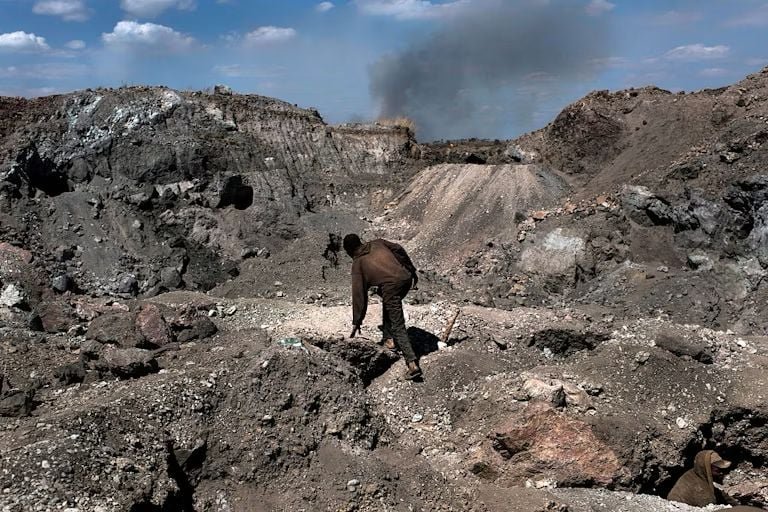
Research examining the interplay between Chinese foreign direct investment and trade over 28 African nations from 1998 to 2022 reveals a concerning trend: such investment often accelerates resource depletion, especially in the energy and forestry sectors of countries with weak institutions.
Key Factors in Resource Management
Investment tends to push extraction beyond sustainable limits when:
-
Environmental standards lack clarity
-
Enforcement agencies are inadequately funded
-
Governance is compromised
In contrast, countries with strong governance structures—like Botswana and Mauritius—have successfully minimized environmental risks associated with foreign investment. Botswana, for instance, has avoided the “resource curse” by anchoring its economy in robust legal and institutional frameworks, including the Pula Fund, a sovereign wealth fund that invests diamond revenues for future sustainability.
The Mixed Role of Trade
China-Africa trade has skyrocketed from US$10 billion in 2000 to $348 billion in 2025. Chinese exports primarily consist of high-value manufactured goods, whereas African countries predominantly export raw materials, with South Africa, the DRC, Nigeria, and Angola accounting for nearly half of the total trade volume.
Trade Impacts on Environmental Practices
While trade in itself does not automatically lead to environmental destruction, countries with weak governance face heightened risks. For instance, intensive demand in the energy sector often leads to unregulated extraction. South Sudan and Nigeria exemplify how corruption and conflict can exacerbate environmental degradation, compelling countries to prioritize immediate revenues over long-term ecological health.
Strategies for Sustainable Engagement
To navigate these challenges and maximize the benefits of foreign investment, African nations must focus on enhancing governance standards. This approach includes:
-
Strengthening environmental regulations and their enforcement
-
Establishing clear standards alongside independent regulatory bodies
-
Incorporating environmental safeguards into investment agreements
-
Promoting long-term resource management strategies
-
Ensuring transparency and public accountability through open contracting and accessible data
As the global demand for minerals, energy, and agricultural land continues to rise, Africa’s natural resources will become increasingly critical. Ensuring that the exploitation of these resources benefits local societies, rather than eroding their ecological foundations, will depend largely on governance quality within the continent.
