

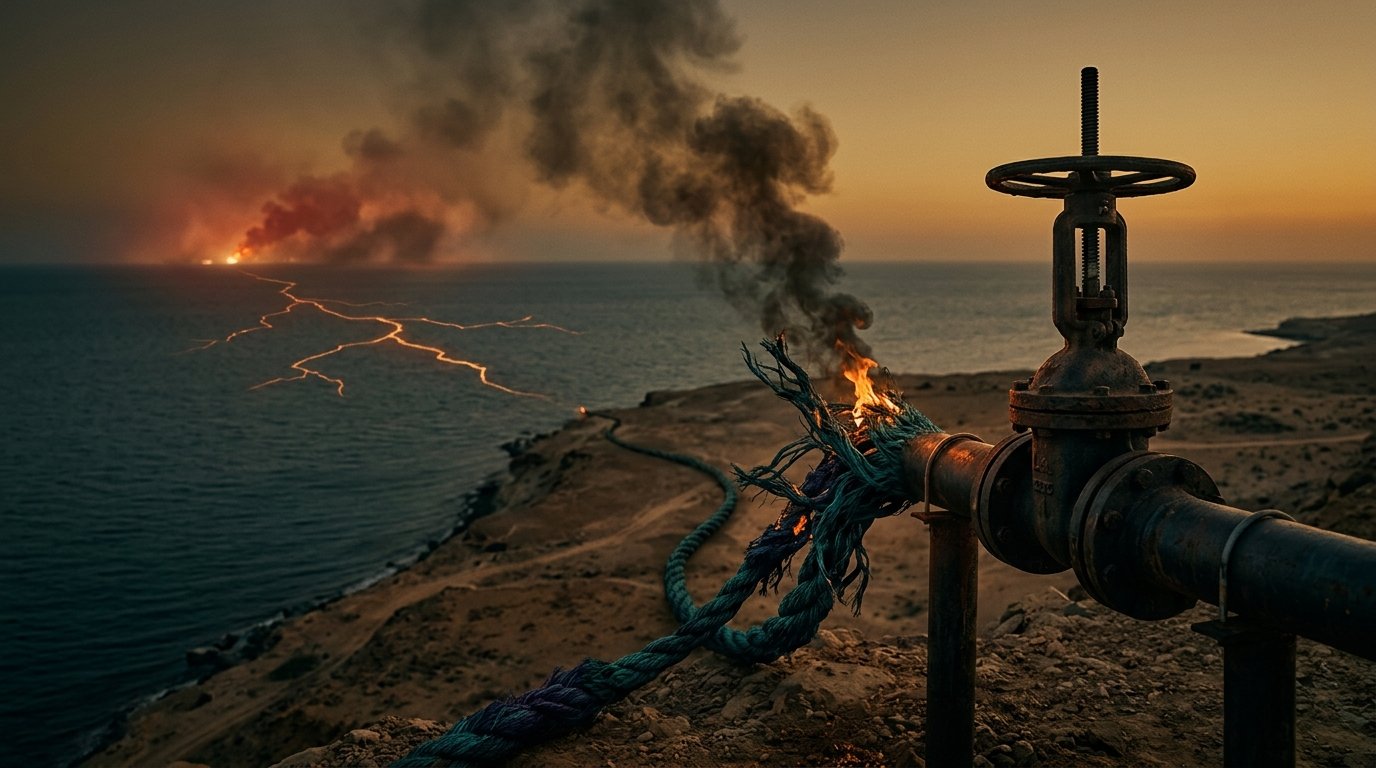
As idle tankers linger at the entrance of the Persian Gulf, global markets are poised for a significant upheaval in energy prices. For many African nations, the recent turmoil surrounding Iran has transformed from a distant diplomatic issue into an urgent economic crisis, necessitating a complete reevaluation of their trade, energy, and fiscal strategies.
The escalating tensions in the Strait of Hormuz have reverberated throughout global commodity markets, pushing Brent crude oil prices to unprecedented heights not seen since the instability of the mid-2020s. Countries in Africa, especially those in East Africa that are heavily dependent on refined petroleum imports, face existential challenges. Rising fuel costs are expected to disrupt transport networks, inflate essential food prices, and undermine the spending power of millions, already burdened by debt. This situation represents a stark clash between global turbulence and Africa’s fragile economic recovery.
The Energy Inflation Dilemma
The most immediate impact of this crisis is felt at fuel pumps. With global oil prices nearing $120 per barrel—around KES 15,600—importing refined petroleum has become an unpredictable and volatile expense for many African nations. Economists at the African Development Bank caution that a 10% spike in crude oil prices could lead to a 1.5 to 2 percentage point increase in inflation across sub-Saharan Africa. This inflationary squeeze is exacerbated by the declining value of local currencies against the dollar, presenting central banks with a tough choice: either raise interest rates to curb inflation or loosen monetary policies to stimulate growth.
In cities like Nairobi, the effects are already apparent. Small businesses, which form the backbone of the Kenyan economy, are struggling with soaring transport costs that threaten their slim profit margins. An increase in diesel prices translates directly into higher transportation costs for farmers transporting produce from the Rift Valley to urban markets. This scenario reflects not just abstract economic concepts but a visceral daily struggle for matatu drivers and urban families dealing with soaring prices for basic commodities like maize, vegetables, and cooking oil.
Stretched Supply Chains
Moreover, the crisis in the Persian Gulf poses a grave threat to the fragile supply chains that underpin African industrial growth. A significant number of essential chemicals and fertilizers used in agriculture—crucial resources for countries like Kenya, Tanzania, and Uganda—are imported from the Middle East. Potential disruptions in shipping routes could lead to skyrocketing insurance costs and logistical nightmares, crippled just when supply chains were beginning to stabilize.
This disruption isn’t confined solely to energy and fertilizers. Global trade dynamics are shifting as shipping firms navigate around the geopolitical tensions of the Persian Gulf and Red Sea, resulting in prolonged shipping times and elevated freight costs. For exporters dealing in perishable goods such as cut flowers or fresh produce, these delays can lead to catastrophic losses, risking tens of millions in revenue. Countries will need to urgently seek alternative markets and reliable supply routes that mitigate hazards associated with the Strait of Hormuz.
Key Economic Indicators amid the Shock
- Inflation Forecast: Food inflation could witness a year-on-year rise of 3.5% due to increased transport and fertilizer expenditures.
- Currency Vulnerability: Import-reliant nations may face a 12% risk of currency depreciation against the dollar as they exhaust foreign exchange reserves to finance energy imports.
- Increased Energy Prices: Crude oil prices sustained above $115 (KES 14,950) could escalate current account deficits by approximately 2.5% of GDP across East Africa.
- Rising Shipping Insurance Costs: An estimated 15 to 20% increase in insurance premiums for vessels operating within the larger Indian Ocean region is anticipated.
Building Strategic Autonomy
This ongoing crisis underscores the necessity for African nations to reassess their dependency on fluctuating global commodity markets. There is an urgent need for countries to pivot inward and foster resilience. The African Continental Free Trade Area (AfCFTA) serves as a critical platform for reducing reliance on potentially unstable external supply chains. Prioritizing intra-African trade calls for investments in regional infrastructure, streamlining customs processes, and enhancing domestic capabilities in energy and agricultural sectors.
The diplomatic path is complex. Traditionally, African nations have embraced a non-aligned stance, carefully avoiding entanglement in the conflicts between global powers. However, neutrality shouldn’t equate to inaction. It is essential to leverage diplomatic channels to advocate for the preservation of international shipping routes and the stability of global energy markets. The African Union, in collaboration with regional entities like the East African Community, must represent a unified voice, engaging with global stakeholders to ensure countries in the Global South are not caught as collateral in conflicts they did not instigate.
The ability of African economies to weather this storm will depend significantly on the expeditiousness of their policy responses. Governments that swiftly diversify their energy portfolios, secure targeted social safety nets for vulnerable populations, and accelerate regional trade initiatives are more likely to navigate these challenges effectively. This crisis offers a vital opportunity to break the dependency cycle on volatile global markets, steering towards a model of development that is resilient, sustainable, and self-sufficient. Decisions taken in the near term could shape the economic landscape of the continent for many years to come.
