

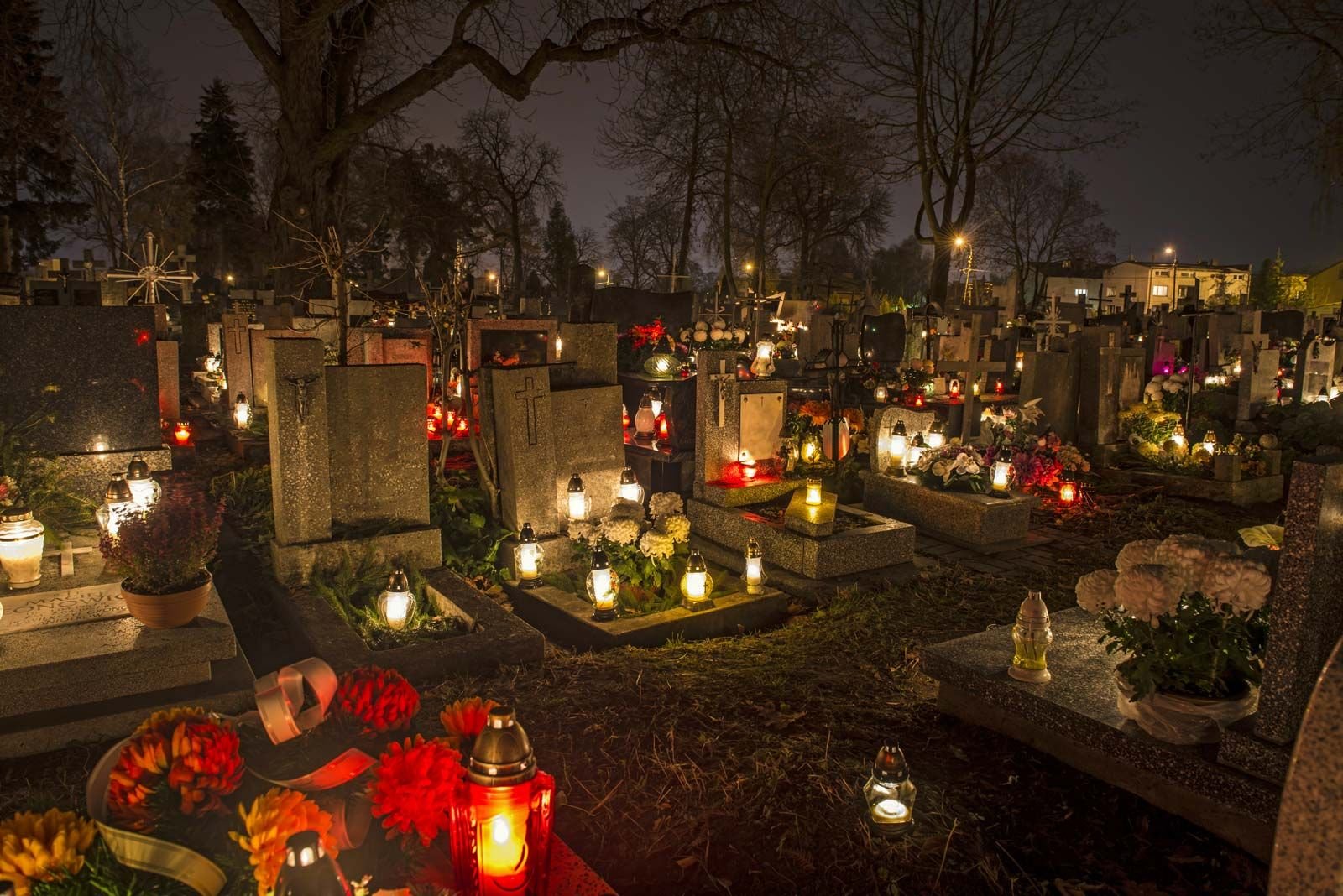
Unique Burial Rituals Around the World: Celebrating Life and Honoring Death
The loss of a loved one resonates deeply with each individual, but the ways in which this sorrow is manifested can differ widely across cultures. Notably, traditions surrounding death and burial serve as vital reflections of societal values and beliefs. Here, we explore seven remarkable burial rituals from various cultures that highlight how communities honor the deceased.
1. Sky Burial: An Ancient Tibetan Tradition
In Tibet, the practice of Sky Burial holds significant spiritual meaning. Predominantly observed by Buddhists, this ritual involves exposing the deceased body to the elements, allowing nature to take its course. Often dismembered, the body becomes food for vultures, symbolizing the return of the physical form to the earth and allowing the soul to ascend to the heavens. This act embodies a deep respect for nature and the cycle of life.
2. Famadihana: Dancing with the Ancestors
Known as "Dancing with the Dead," Famadihana is a vibrant tradition in Madagascar. The Malagasy people periodically open their ancestors’ tombs to rewrap the deceased in new burial garments. This celebratory event involves music and dance, fostering a connection between the living and the dead while promoting the spirits’ journey to the afterlife. Often described as the “turning of the bones,” Famadihana emphasizes respect and memory.
3. Water Burial: A Nordic Connection
In various Nordic countries, water serves as an integral part of funeral rites. The Water Burial involves laying bodies in coffins atop cliffs facing a body of water or even sending them off in "death ships" to float into the sea. This symbolizes a return to the Divine, as water is revered in many cultures as a purifying and sacred element.
4. The Parade: Honoring Life in India
In Varanasi, India, funerals are vibrant parades. The deceased are displayed in colorful garments representative of their virtues—like red for purity or yellow for wisdom. Water from the Ganges River is sprinkled over the body to aid the soul’s passage to salvation. Subsequently, they are cremated in one of the town’s dedicated cremation grounds, celebrating their life while honoring the inevitable cycle of reincarnation.
5. Tower of Silence: A Zoroastrian Legacy
Among the Zoroastrians, the Tower of Silence is a notable burial method. This practice entails placing the deceased atop a circular structure where vultures consume the body. Given the belief that corpses pollute the earth and fire, this method preserves both the land and the sanctity of the elements. Before placement, the body undergoes ritual cleansing with bull’s urine, ensuring a respectful farewell.
6. Ashes to Death Beads: A Modern South Korean Tradition
In South Korea, cremation has taken a creative turn with the tradition of forming the ashes of loved ones into decorative death beads. Crafted in various colors—from turquoise to black—these beads can be displayed in homes, serving as a poignant and beautiful remembrance of those passed. As urban living spaces become increasingly limited, this practice provides a dignified and attractive way to honor the dead.
7. A Mosaic of Filipino Traditions
The Philippines showcases a rich tapestry of burial customs that vary by region. For instance, the Tinguian people adorn the deceased in finery and place them in chairs, sometimes even providing them with a lit cigarette. In contrast, individuals from Sagada hang coffins from cliffs, symbolizing proximity to the heavens. Each region contributes diverse practices that reflect local beliefs and histories, creating a vivid panorama of Filipino heritage.
In summary, burial rituals around the globe underscore the multitude of ways cultures deal with loss, celebrate life, and prepare for the transition to the afterlife. From the ceremonial dances in Madagascar to the solemnity of Tibetan rituals, these practices offer profound insights into the values and beliefs that shape human experience across different societies.
