

Strengthening Cybersecurity in Modern Power Grids
As the world becomes increasingly reliant on digital infrastructure, the energy sector faces a significant challenge: a steep rise in cyberattacks that threaten the stability and security of power grids. A recent study titled "Cybersecurity Challenges and Defence Strategies for Next-Generation Power Systems" highlights these vulnerabilities, revealing how sophisticated attacks, including phishing and malware infiltration, have transitioned from isolated incidents to systemic threats for utilities and grid operators globally.
The Digitalization of Power Systems
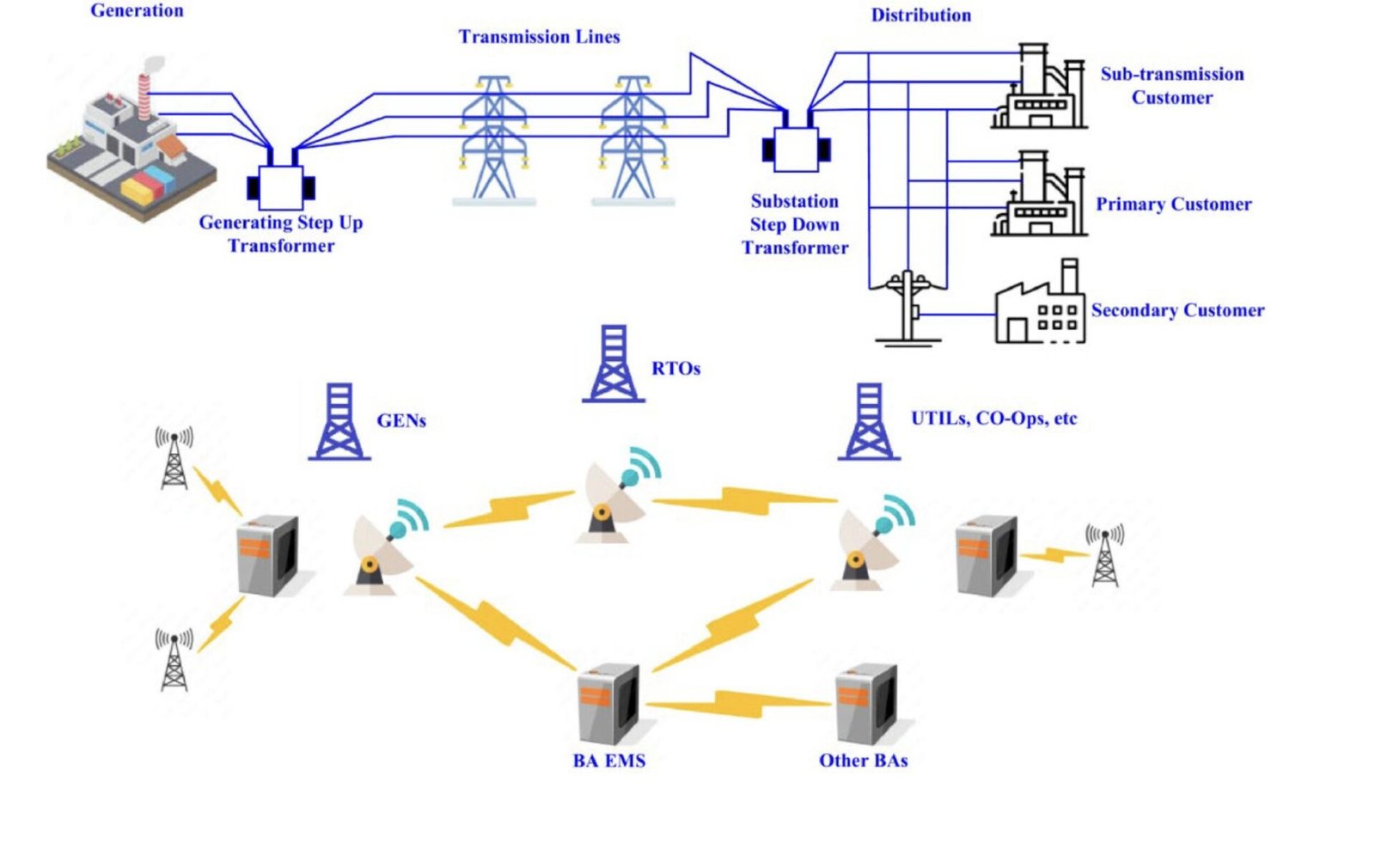
The evolution of power systems into smart grids has brought undeniable benefits, such as improved efficiency and real-time monitoring. However, alongside these advancements come new vulnerabilities. The integration of the Internet of Things (IoT) and advanced communication networks has significantly broadened the potential attack surface for critical infrastructure. Modern power systems, now heavily interconnected, consist of generation plants, transmission networks, and substations—all relying on digital control platforms like supervisory control and data acquisition systems.
Growing Threats and Historical Precedents
Recent high-profile cyber incidents serve as stark reminders of the vulnerabilities within energy systems. Attacks on Ukraine’s power grid in 2015 and 2016, the Triton malware case in Saudi Arabia, and the SolarWinds supply chain breach illustrate how cyber intrusions can lead to widespread operational disruptions. This study emphasizes that the sophistication and automation of cyberattacks are escalating, making detection increasingly challenging.
Implementing Comprehensive Cybersecurity Strategies
To counter these threats, the study calls for a shift towards proactive and comprehensive cybersecurity strategies, rather than merely reactive measures. A layered defence approach is essential, incorporating secure system design, risk assessments, and detection tools such as intrusion detection systems and real-time anomaly monitoring. Furthermore, effective response mechanisms, including incident recovery planning, are critical for maintaining a consistent power supply.
Enhancing Device Security
One crucial area of focus is the security of connected devices like smart meters and sensors, which are often the weakest entry points in a cyberattack. Implementing strong authentication protocols, secure firmware updates, and standardized device security frameworks can help significantly reduce vulnerabilities. Additionally, advanced encryption techniques to protect data during transmission and storage are imperative.
The Role of Artificial Intelligence
Artificial intelligence (AI) and machine learning are becoming vital assets in enhancing grid resilience. These technologies can facilitate faster detection of abnormal behaviors, enabling operators to swiftly respond to threats such as malware propagation or false data injection. Adaptive systems, which evolve alongside emerging attack patterns, are expected to become foundational elements of future grid security.
Addressing the Human Element
The human factor remains a significant risk in cybersecurity. Social engineering and phishing attacks continue to be prevalent, necessitating robust workforce training and awareness programs. Regular system audits and ongoing skills development ensure that personnel remain vigilant against potential threats.
Fostering Industry-Wide Collaboration
Another key takeaway from the study is the importance of collaboration across the energy ecosystem. Utilities, technology providers, and regulators must come together to develop standardized security protocols and enhance information sharing. Aligning practices with international cybersecurity frameworks strengthens resilience and facilitates a coordinated response to emerging threats.
Conclusion: Cybersecurity as a Core Operational Priority
The findings underscore that cybersecurity has become a critical operational priority within the energy sector. As power grids evolve, the capacity to anticipate, detect, and respond to cyber threats will be essential for maintaining reliable and sustainable energy systems. By leveraging advanced technologies, implementing proactive planning, and fostering industry collaboration, the sector can fortify its defenses and safeguard critical infrastructure against an increasingly dynamic threat landscape.
For further insights, access the full paper HERE.
