

The Legal Complications of Balcony Solar Energy in Poland
Can installing a small solar kit on an apartment balcony be comparable to personal enhancements like satellite dishes or air conditioning units? A recent ruling by a district court in Gdańsk, Poland, indicates the situation may be more complex than it appears.
Overview of the Case
The legal controversy centers on a solar panel system intended to reduce electricity costs for a household. However, the court mandated the removal of the panels, shedding light on a nebulous legal framework that could hinder other apartment residents seeking to implement “balcony solar” solutions.
Details of the Court Ruling
In late February 2026, a Gdańsk district court ordered a local resident to dismantle photovoltaic panels mounted on his balcony. Despite claiming to have garnered support from a majority of nearby residents, the court sided with the housing cooperative, citing an inability to authenticate the signatures collected in favor of the installation. The affected resident, referred to as Mr. Krzysztof, plans to appeal this decision, as regulations regarding balcony solar energy in multifamily units continue to be ambiguous.
Mr. Krzysztof initially installed two 400-watt solar panels in March 2023, later augmenting the setup to approximately 1.2 kilowatts, corresponding to about $1,400 in total investment. Following this expansion, he reported significant reductions in his electricity bills, exceeding a 30% decrease.
Understanding Balcony Solar
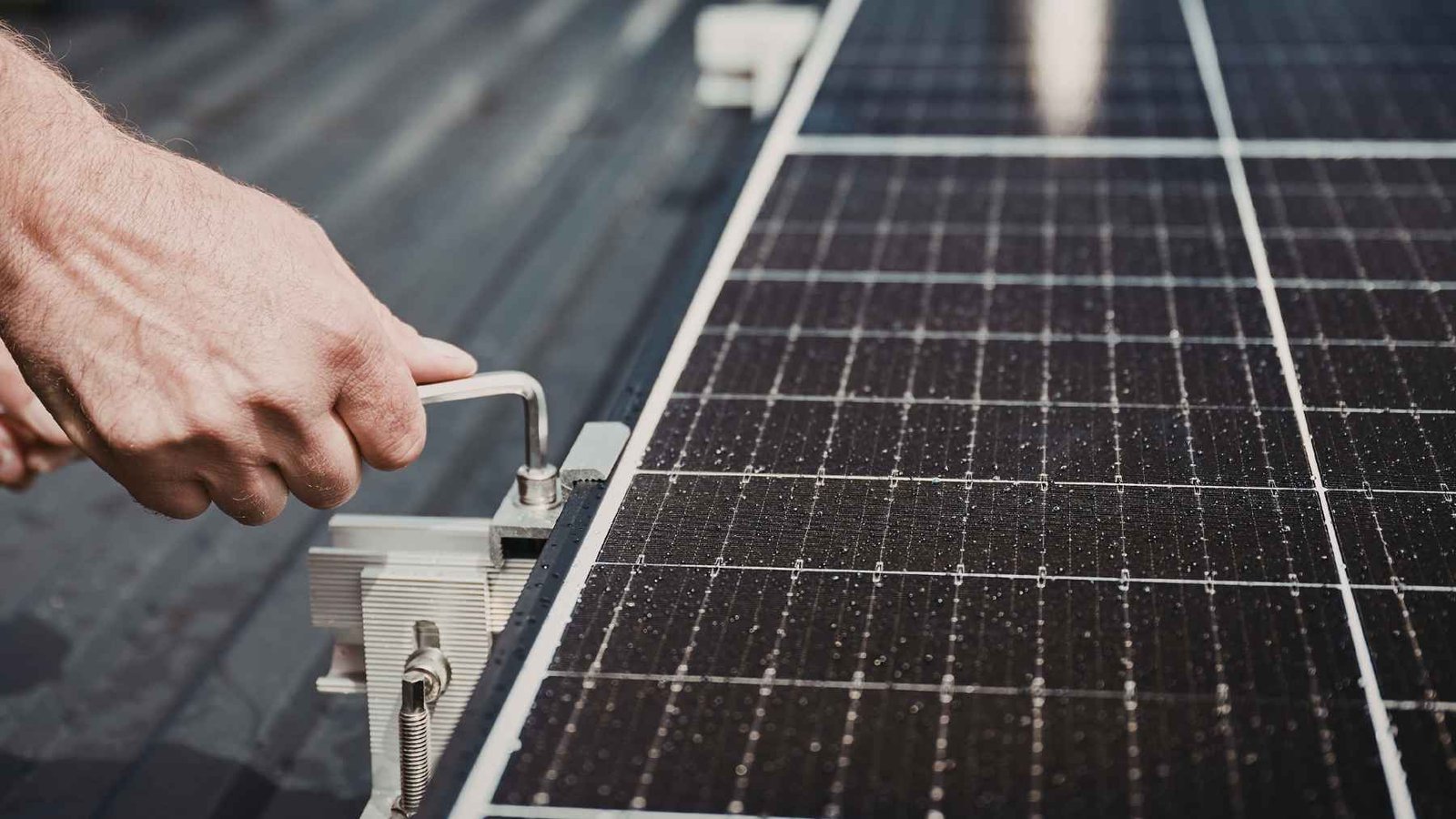
Balcony solar represents a scaled-down version of rooftop solar systems, commonly comprising one or two panels affixed to railings or walls. While these setups might resemble common balcony furniture, they function as legitimate power sources linked directly to residences.
These installations often include a microinverter, responsible for converting the panels’ electricity into a format compatible with household outlets. A bidirectional meter is also necessary to allow homeowners to return excess electricity to the grid, qualifying them as “prosumers”—individuals who both consume and produce energy.
The Significance of Signatures
The signatures in Mr. Krzysztof’s case proved pivotal. He reported being informed that over half of the cooperative’s members needed to approve the installation, which he achieved by securing consent from about 60% of eligible residents. However, the cooperative contended it could not verify whether all signatories had legitimate voting rights, complicating matters further.
Such bureaucratic hurdles reflect how shared property regulations are enforced in many apartment complexes, underscoring the necessity of clarity when it comes to collective decision-making.
Economic Benefits of Balcony Solar
The allure of balcony solar installations lies in their potential for cost savings without needing roof access, a significant consideration for those residing in multifamily dwellings.
According to a recent analysis conducted by the Instrat Foundation, balcony solar owners can expect to save approximately 700 zloty annually—around $200—often achieving return on investment in under four years. However, orientation is crucial; even neighbors with identical setups may experience vastly different outcomes regarding savings on their electric bills.
Safety and Responsibility Considerations
Despite their simplicity, balcony solar systems prompt essential safety and liability inquiries. The installation must be secure against wind, wiring must be protected from moisture, and building managers are concerned about potential liabilities should problems arise with the system. This concern transforms balcony solar into more than just a personal gadget; panels that malfunction can create widespread issues.
Insights from Germany’s Experience
Germany has streamlined the process for balcony solar systems, creating a more defined regulatory framework. As of April 2024, the Federal Network Agency simplified the registration process for plug-in balcony systems, minimizing bureaucratic obstacles.
The German Solar Association anticipates that Germany will reach approximately one million registered plug-in units by June 2025, following an increase of around 135,000 units in early 2025. The regulatory framework also defines specifications for qualifying plug-in devices, such as a maximum capacity of 2,000 watts for solar modules.
Guidance for Apartment Dwellers
For those contemplating a balcony solar installation, the key is straightforward but crucial: obtain written consent, ascertain who holds approval rights, and maintain thorough records to preempt potential disputes.
While the Gdańsk district court’s ruling may undergo further scrutiny, it serves as a compelling reminder that, despite its potential for reducing utility costs and promoting sustainability, balcony solar energy faces significant regulatory and technological challenges within multifamily residential settings. The original court ruling was issued by the District Court of Gdańsk-Północ.
Balcony solar can offer a promising path to energy savings and environmental benefits, but navigating the legal landscape is essential for successful implementation in apartment communities.
