

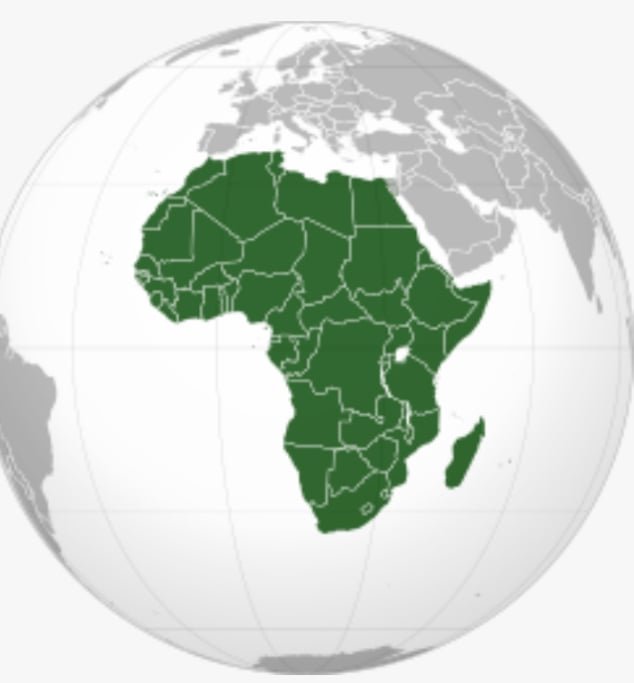
The Impact of Global Crises on Africa: Understanding the Consequences of Middle Eastern Conflicts and Western Economic Instability
Global crises, whether stemming from conflicts in the Middle East or economic downturns in Western countries, often seem remote from Africa. However, the continent frequently faces severe repercussions. The complexities of African economies showcase a deep interconnection with global systems, making them vulnerable to distant upheavals. When powerful regions wrestle with instability, Africa often feels the impact more acutely than those at the heart of the crisis.
Fuel Price Shocks and Energy Insecurity
Conflicts in oil-rich regions like the Middle East directly disrupt global oil supply chains, leading to sharp increases in global oil prices. This situation particularly affects African countries, which largely depend on imported refined petroleum products—even nations like Nigeria, despite being an oil producer, often find themselves reliant on foreign fuel due to limited refining capabilities.
The implications of soaring fuel prices are significant:
- Transport costs surge.
- Electricity generation expenses rise.
- Food distribution costs increase.
- Governments are pressured to enhance fuel subsidies.
Ordinary citizens experience higher fares for public transport, escalating prices for goods, and an overall increased cost of living, placing small businesses under strain and accelerating inflation.
Food Insecurity and Rising Hunger
Many African nations are heavily dependent on imported wheat and fertilizers from conflict-affected regions, particularly near the Black Sea and the Middle East. Disruptions in exports lead to skyrocketing prices. For instance, during significant global conflicts like the Russia-Ukraine War, wheat and fertilizer prices surged considerably.
Consequently, African nations that rely on imported grains face:
- Increased bread prices.
- Limited food access for low-income households.
- Heightened risks of malnutrition.
- Increased pressure on humanitarian aid systems.
The repercussions of food inflation disproportionately impact the poorest households, widening the gap of inequality.
Debt Pressure and Currency Depreciation
Instability in Western economies, be it recessions or banking crises, often prompts investors to seek “safe haven” assets. This capital flight tends to depreciate African currencies and escalate borrowing costs. Institutions such as the International Monetary Fund (IMF) often step in with loans attached to stringent conditions, including austerity measures. This leads to:
- Reduction in public spending.
- Cutbacks in social programs.
- Increased taxes.
- Heftier debt loads.
- Currency depreciation, further inflating import costs.
Reduced Foreign Investment and Aid
During crises in Europe or North America, domestic recovery often takes precedence for governments and corporations. This shift tends to shrink foreign aid budgets and slow investments in African infrastructure projects. For example, economic downturns in the European Union or the United States can lead to reduced development assistance and diminished trade opportunities for African nations, resulting in:
- Postponed infrastructure projects.
- Fewer job opportunities.
- Slower economic growth.
- Increased dependency on external debt.
Political Instability and Social Unrest
Rising prices and escalating unemployment often ignite public discontent. When governments struggle to mitigate economic shocks, social tensions can intensify. Inflation-driven protests have emerged in several African countries following global economic shocks. In severe instances, economic strain can lead to political instability, military coups, or governance crises.
Opportunities Hidden in Crisis
While global crises impose heavy costs, they also underscore Africa’s strategic importance and potential. The current turmoil has sparked:
- Increased interest in African oil and gas reserves.
- A renewed focus on local food production.
- A push toward renewable energy investments.
- Growth in regional trade facilitated by the African Continental Free Trade Area.
If strategically managed, these crises could accelerate reforms that bolster self-reliance and promote regional cooperation.
Conclusion
When conflicts erupt in the Middle East or economic instability engulfs Western nations, Africa often bears a disproportionate burden. The continent’s integration into global supply chains means it absorbs shocks beyond its control. Fuel prices spike, food supplies dwindle, debt levels rise, and social tensions mount.
Yet amid these challenges lies an essential lesson: Africa’s resilience hinges on diversifying its economies, fortifying regional trade, expanding local production, and minimizing dependency on external powers. While global crises may be unavoidable, Africa’s susceptibility to them does not have to be.
