

South Africa’s Continued Reliance on Coal Amidst Renewable Energy Transition
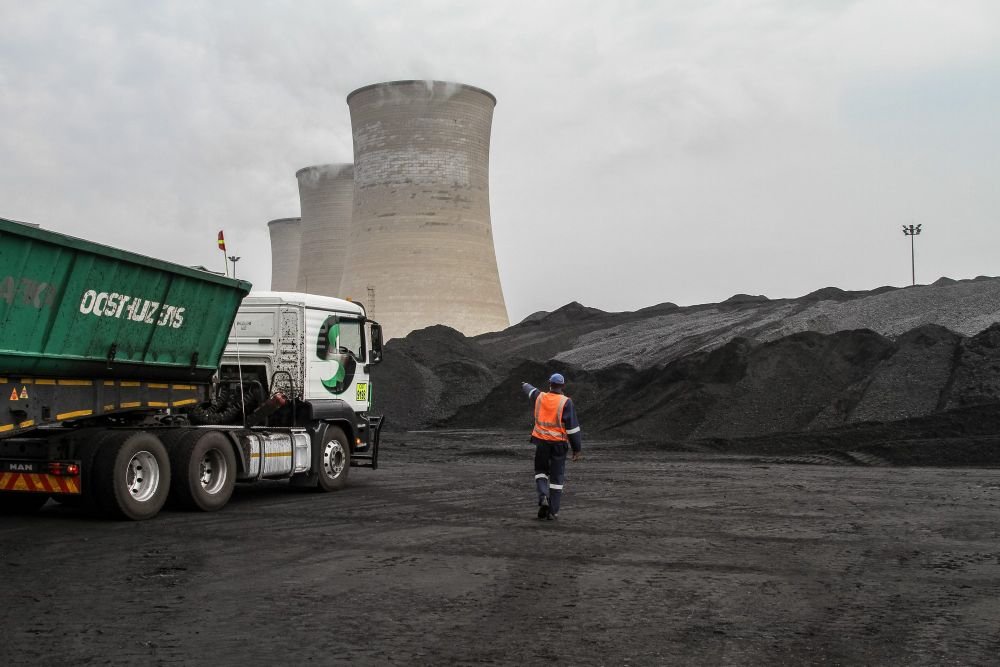
Energy experts suggest that South Africa will continue to depend on coal for the foreseeable future, despite mounting environmental concerns and international calls for a shift towards cleaner energy options. This insight comes after Sasol’s recent launch of a new destoning plant in Mpumalanga, where Minister Gwede Mantashe reiterated the significance of coal in the nation’s economy and energy security.
The Crucial Role of Coal in South Africa’s Energy Landscape
According to expert Vally Padayachee, the new facility signifies a major advancement in enhancing coal quality and operational efficiency. He emphasized that this investment reflects confidence in the long-term sustainability of South Africa’s mining sector amidst growing discussions around energy security and environmental responsibility.
Padayachee noted that the country’s energy framework is heavily dependent on coal-fired power plants, which are essential for maintaining a stable energy supply. “Given the increasing instability in global oil and gas markets, particularly influenced by geopolitical tensions in the Middle East, coal plays a vital backup role,” he explained.
Transitioning Towards Cleaner Energy Sources
While the urgency of transitioning to renewable energy is undeniable for long-term sustainability, Padayachee pointed out that evolving coal into cleaner coal technology is necessary to mitigate energy shortages. This transition is crucial for ensuring that households and industries continue to have reliable access to power.
Moreover, the coal sector serves as a significant source of employment and economic activity in South Africa. Clean coal is pivotal not just for energy generation but also for crucial industries such as steel, cement, and petrochemicals.
Padayachee remarked on the versatility of coal as a raw material, acknowledging that it is indispensable to the country’s industrial ecosystem. “Criticism surrounding coal usually focuses on its environmental repercussions, particularly carbon dioxide emissions," he added. However, advancements in technology aimed at reducing the environmental impact of coal usage, such as Carbon Capture and Storage (CCS), are vital in transitioning the sector towards more sustainable practices.
Navigating the Challenges of Energy Needs and Emissions Reduction
Balancing immediate energy demands with the goal of lowering carbon emissions is a complex challenge. Padayachee stressed the importance of a thoughtful approach that integrates cleaner coal technologies while still developing renewable alternatives. “It is essential to balance our long-term sustainability aspirations with our immediate energy requirements,” he noted.
Ruse Moleshe, managing director of energy and infrastructure consulting firm RUBK, echoed similar sentiments, stating that coal’s prevalence in South Africa is driven by structural realities rather than mere policy preferences. Coal contributes approximately 77% of primary energy and generates over three-quarters of the nation’s electricity, supporting Eskom’s baseload capacity and operational reliability.
The Industrial Impacts of Coal Dependence
Moleshe pointed out that coal is deeply embedded in key industrial value chains, such as petrochemicals, steel, and cement. For instance, Sasol processes around 30-35 million tons of coal annually, and coal mining directly sustains between 76,000 to 108,000 jobs, particularly in Mpumalanga. Thus, coal stands as not just a source of energy, but a cornerstone of economic activity and stability.
Reflecting on South Africa’s constitutional mandates, Moleshe emphasized the need for federal policies to pursue ecological sustainability without jeopardizing economic and social development. “The question is not if South Africa should transition, but how to execute this change without disrupting the economy. While alternatives exist, many have not yet been deployed at a scale, affordability, or reliability that can effectively substitute coal, particularly in energy-intensive sectors,” he stated.
As discussions around the future of energy in South Africa continue, the role of coal cannot be overlooked. It remains crucial in bridging the gap while renewable energy technologies are being developed and scaled.
By understanding the ongoing reliance on coal and the efforts to implement cleaner practices, South Africa aims to navigate its complex energy landscape effectively.
For in-depth insights on South Africa’s energy dynamics, refer to articles on renewable energy and energy security.
