

Understanding Copyright Protection in Africa: Challenges and Opportunities
Copyright protection is essential for fostering creativity and innovation. However, in Africa, navigating the complexities of copyright law and enforcement presents unique challenges. This article explores the scope of copyright, particularly within the frameworks established by the African Intellectual Property Organization (OAPI) and the African Regional Intellectual Property Organization (ARIPO).
What Copyright Protects: Ideas vs. Expression
Copyright law does not protect abstract ideas; it safeguards the tangible expression of these ideas. This means that a concept can only be copyrighted once it takes the form of a book, film, artwork, or other specified formats. Understanding this distinction is crucial for creators who seek to protect their work. The protection extends not only to original creations but also to derivative works, compilations, and databases shaped by intellectual effort.
Automatic Protection and Registration
In many jurisdictions, copyright protection is automatically granted upon the creation of a work, without the need for formal registration. However, mechanisms for registration can serve as helpful evidence in cases of disputes. For instance, institutions like BURIDA in Ivory Coast offer services for deposit or recordation to assist in proving authorship.
The OAPI Framework: Centralized vs. Territorial Approaches
The OAPI, consisting primarily of French-speaking African nations, operates a centralised system for industrial property, but not for copyright. Their legislative framework, governed by the Bangui Agreement, does not include a regional copyright registration system. Instead, it refers to international standards like the Berne Convention and leaves implementation to individual countries.
Limitations of Regional Harmonization
Despite the common legal foundation provided by OAPI, significant variances exist among member states. For example, the definition and protection of software can differ significantly, leading to inconsistencies in enforcement. Additionally, the Bangui Agreement stipulates a protection term of the author’s life plus 50 years; however, countries like Ivory Coast may extend this term to 70 years. These disparities create challenges for creators who operate across multiple jurisdictions.
ARIPO: A Developing System
The ARIPO comprises 22 member states and aims to encourage cooperation in intellectual property matters. While more advanced in industrial protection, ARIPO is still developing its copyright mechanisms. The adoption of the Kampala Protocol aims to create a voluntary registration system, enhancing proof of ownership and enforcement, but it has yet to be fully realized.
National Legislation and Copyright Protection
Currently, copyright protection under ARIPO heavily relies on national laws, resulting in varying degrees of protection and enforcement challenges. The lack of a harmonized system complicates matters for creators and businesses operating across borders, thereby hindering effective copyright enforcement.
Practical Challenges in Enforcement
Even with progressive national laws, the practical reality of copyright protection in African jurisdictions often diverges from legal prescriptions. Challenges such as limited institutional capacity, inadequate specialized courts, and high litigation costs hinder effective enforcement. Furthermore, the rise of digital platforms has exacerbated these issues, leading to rampant piracy and unauthorized distribution of creative works.
The Importance of Awareness
Creators often have limited knowledge of their rights and may lack access to the resources necessary for effective negotiation or enforcement. This gap makes it challenging to prove authorship and establish the "date of creation," further complicating enforcement efforts.
The Dual Role of Copyright: Incentives and Access
Properly functioning copyright systems can serve as a powerful development tool. By rewarding authors, educators, and publishers, copyright ensures the production of localized educational materials, crucial for regions with limited access to resources. However, balancing protection with accessibility is essential to foster education and knowledge dissemination.
Exploring Exceptions and Limitations
Limitations and exceptions, particularly in educational contexts, can create pathways for promoting access to knowledge while safeguarding creators’ rights. Jurisdictions need to explore these mechanisms to maximize the benefits of copyright.
Economic Opportunities and Cultural Growth
The creative industries, including film, music, and digital content, highlight the significant economic potential of copyright. Effective protection supports job creation, fosters investment, and enhances cultural exchange. With the legal acknowledgment of creative works, creators gain bargaining power, paving the way for licensing agreements and international collaboration.
Registration for Strategic Growth
The process of registering works can be more than a mere formality; it is a strategic option for enforcing rights and facilitating commercial opportunities. Various audiovisual works, from international blockbusters to local productions, have already opted for registration to enhance their market presence and legal security.
Conclusion: A Balanced Approach to Copyright in Africa
Copyright serves a vital role in the intersection of culture, education, and economic advancement. For Africa, organizations like OAPI and ARIPO have made strides in coordinating intellectual property systems, but substantial room for improvement remains. Enhanced harmonization, stronger enforcement measures, and increased awareness will provide a foundation for creative growth across the continent.
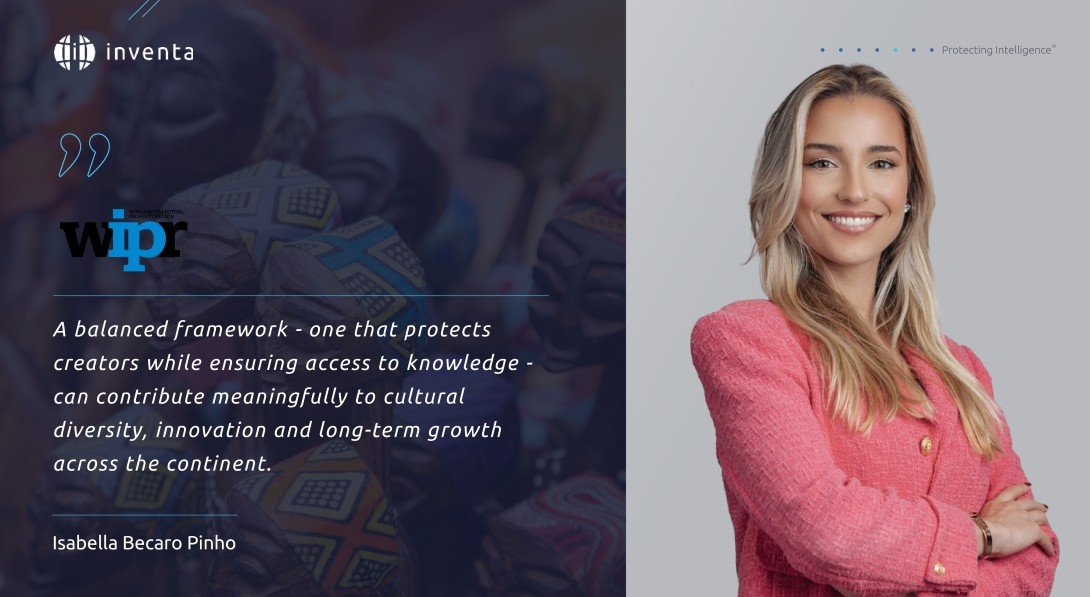
In summary, a balanced copyright framework can protect creators while also ensuring broader access to knowledge and culture, driving diversity and innovation throughout Africa.
For more insights on copyright issues, visit World Intellectual Property Review.
