

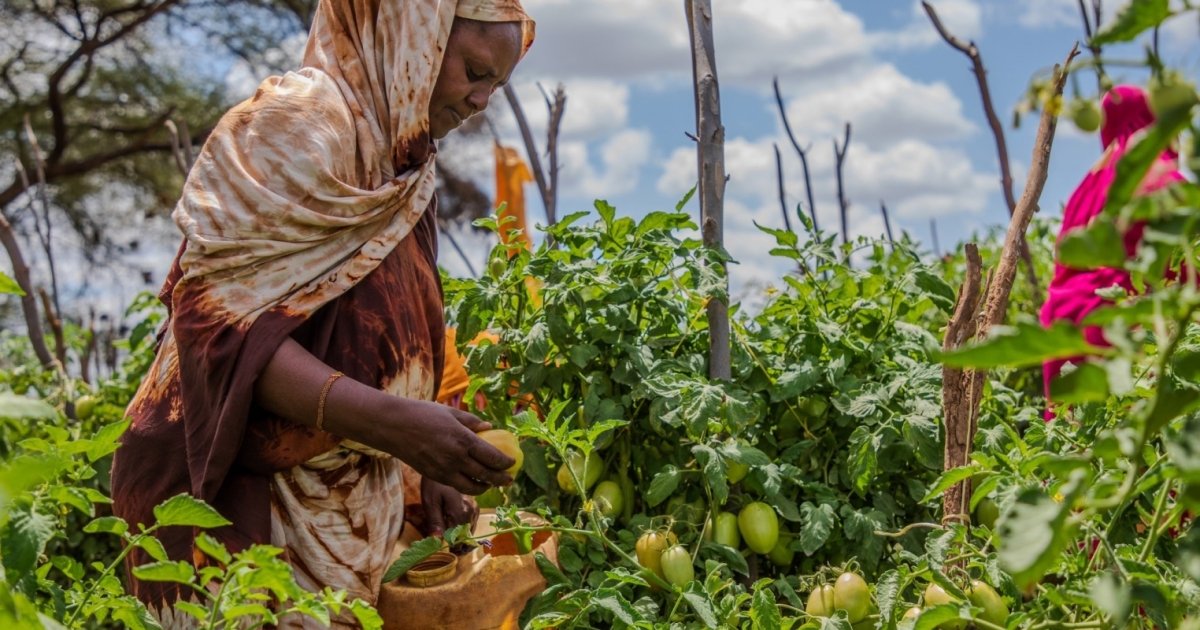
As climate change wreaks havoc on traditional agriculture, the African Seed Trade Association (AFSTA) advocates for engineered, climate-resilient seeds as the key solution to the continent’s mounting food security issues.
The battleground of climate change is not found in international summits but in the drought-stricken, unpredictable landscapes of rural Africa. With phenomena such as extended dry spells, inconsistent rainfall patterns, and emerging pest challenges becoming commonplace, farmers across the continent are confronting unprecedented threats to their livelihoods. Agricultural experts assert that the answer lies in enhancing the foundational element of farming: the seed itself.
Boosting Agriculture with Improved Seed Systems
Improved seed systems are taking center stage in agricultural policy discussions, driven by the urgent necessity for survival. Without evolving the most basic farming input—seeds—all other efforts, from fertilization to mechanization, are rendered ineffectual against hostile climatic conditions. High-quality seed varieties now emerge as the most effective tool in Africa’s struggle against chronic hunger.
The Science Behind Resilient Seeds
Dr. Yacouba Diallo, Secretary-General of the African Seed Trade Association, highlights that the creation of drought-resistant, heat-tolerant, and fast-growing seed varieties is vital for adapting to climate extremes. Research indicates that these advanced varieties account for as much as 40% to 50% of the recent yield increases observed across Africa.
African breeders, both from public organizations and private companies, are focused on infusing resilience into staple crops such as maize, sorghum, and legumes. These biofortified crops not only withstand moisture scarcity but also boast enhanced micronutrient profiles, effectively tackling the dual crises of food insecurity and malnutrition.
Revolutionizing Agriculture and Economy
The benefits of this agricultural transformation extend beyond mere food security and serve as a significant driver for economic change throughout rural Kenya and the rest of Africa.
- Enhanced Yields: Early-maturing varieties allow farmers in areas like Homa Bay to harvest successfully, even amid drastically shortened rainy seasons.
- Wealth Generation: The shift from subsistence farming to agribusiness hinges on farmers having access to reliable, high-yield seeds, enabling surplus production for commercial markets.
- Industry Expansion: A well-regulated private seed sector is crucial for creating thousands of jobs, ranging from genetic research and laboratory analysis to rural distribution networks.
Confronting Regulatory Challenges
Despite significant advancements in seed technology, various obstacles persist. The infiltration of counterfeit seeds into the market poses grave risks to vulnerable farmers, who risk losing entire crops due to fraudulent products. Additionally, aligning seed regulations across African nations presents complex logistical and political hurdles.
As AFSTA gears up for its annual Seed Congress in South Africa this March, the mission is clear: narrow the gap between cutting-edge agricultural research and smallholder farmers. “Access to quality seed is vital for comprehensive adaptation efforts,” Dr. Diallo insists. The future of Africa’s food autonomy now relies not only on fluctuating rainfall but also on the resilience embedded in the seeds that nourish its soil.
