

The Impact of Climate Litigation on Africa’s Energy Policy
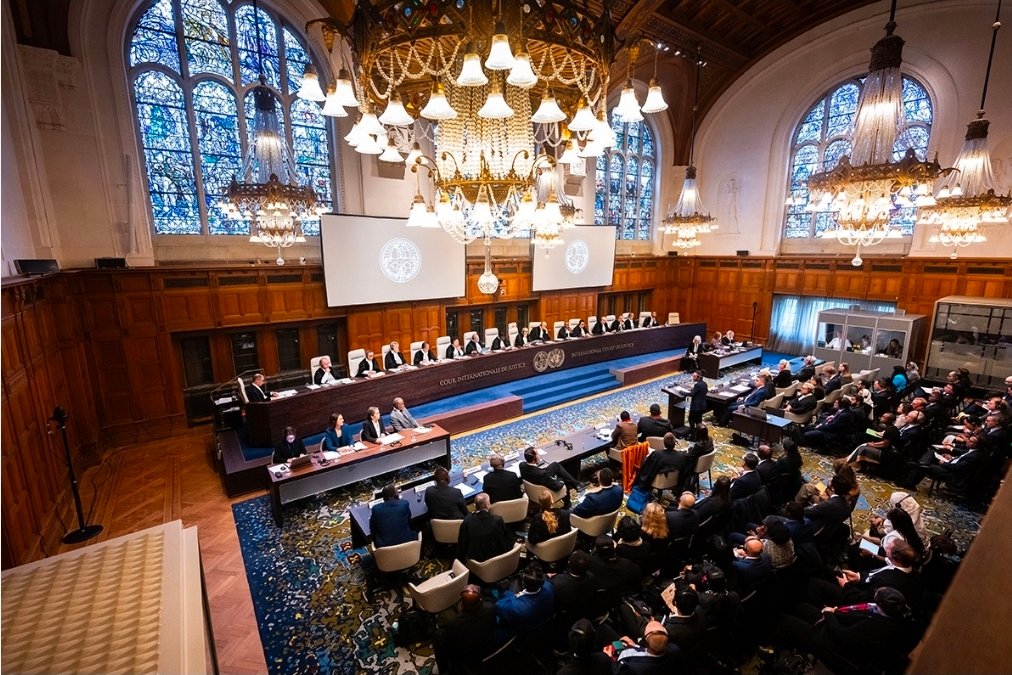
The increasing prevalence of climate litigation is dramatically transforming the landscape of energy policy globally. Courts are setting crucial parameters for climate action, with international bodies like the International Court of Justice (ICJ) and the International Tribunal for the Law of the Sea (ITLOS) providing legal interpretations that extend well beyond national boundaries. These developments are influencing how governments manage natural resources, regulate emissions, and approve projects, particularly in regions like Africa.
The African Context: A Rising Challenge Amid Minimal Emissions
Despite contributing less than 4% of global emissions, Africa finds itself under pressure to comply with legal frameworks often formulated overseas. The continent’s ability to industrialize, secure energy access, and attract investments could be severely hindered if its nations do not actively engage in these legal proceedings. Without proper representation, African states risk having climate obligations dictated by external forces.
The Role of the African Energy Chamber
In light of these challenges, the African Energy Chamber (AEC) is taking proactive steps to intervene in a pivotal advisory proceeding before the African Court on Human and Peoples’ Rights. The AEC seeks amicus curiae status in a case brought forth by the Pan African Lawyers Union, aimed at clarifying state climate obligations as defined by the African Charter.
Building on Previous Jurisprudence
The ongoing case highlights a significant shift in legal interpretations regarding environmental protection. Following prior rulings like Social and Economic Rights Action Center v. Nigeria and Ivorian League of Human Rights v. Côte d’Ivoire, the focus is increasingly on enforcing climate-related obligations and protecting socioeconomic rights. These decisions broaden the scope of legal responsibility across various jurisdictions.
Global Implications: Legal Expectations and Financing Dynamics
The advisory opinions from global courts underscore that states must exercise due diligence in preventing climate harm. Although current interpretations do not outright ban fossil fuel development, they impose stricter expectations for environmental oversight and regulatory enforcement. This legal shift is already having profound effects on financing models for oil and gas projects in Africa.
The Financing Landscape
Financial institutions are becoming increasingly cautious about backing projects with high emissions. For instance, Standard Chartered’s decision to withdraw funding for the $5 billion East African Crude Oil Pipeline highlights the growing reputational and legal risks associated with fossil fuel investments. Such hesitance impacts the availability of funds for upstream projects, leaving some crucial operations stalled.
In Nigeria, for instance, several marginal field developments are languishing despite proven reserves, primarily due to difficulties in securing financing amid evolving climate obligations. Initiatives like the Africa Energy Bank are emerging to adapt to these funding challenges, reflecting a shift in financing paradigms in response to climate risks.
Constraints on Energy Expansion
These developments hinder Africa’s ability to ramp up production to meet energy demands. Projects with robust fundamentals are at risk of delays or become stranded assets due to uncertain permitting processes. Downstream initiatives, particularly gas-to-power projects crucial for local consumption, continue to face similar financing challenges.
Legal Scrutiny in South Africa
In South Africa, the enactment of the Climate Change Act (2024) aligns domestic regulations with international commitments. Recent legal actions, including a Supreme Court ruling that invalidated a gas power plant authorization due to inadequate environmental assessments, indicate increasing judicial scrutiny of energy projects.
Rethinking Investment Risks
This evolving legal landscape redefines investment risks, as expanding legal interpretations suggest that climate inaction could render states and private operators liable for damages. Projects failing to adapt to these shifting standards may experience financing difficulties, delays, or become stranded. Governments may also face investor-state disputes arising from regulatory changes that jeopardize project viability.
Geopolitical Dimensions and Negotiating Power
These legal developments are impacting geopolitical dynamics as African nations leverage climate-related rulings to bolster their claims for climate finance, debt relief, and technology transfers. By framing climate harm as a legal issue, Africa strengthens its negotiating position, but this also subjects domestic energy strategies to enhanced scrutiny.
Ensuring African Representation
The AEC’s intervention is critically important to ensure that Africa’s priorities are reflected in emerging legal standards. The chamber advocates for a perspective that values both environmental responsibilities and the right to development, especially crucial for a region where over 600 million people lack access to electricity. However, competing viewpoints persist, with environmental advocates pushing for stricter controls on fossil fuel expansion under human rights frameworks.
Conclusion: Shaping African Energy Futures
As the landscape of climate litigation evolves, African nations find themselves at a crossroads. "If Africa leaves its energy future to outside courts, we risk seeing policies designed for other continents applied here,” warns NJ Ayuk, AEC Executive Chairman. "Climate litigation is not just a regulatory challenge – it affects financing for our oil and gas sector."
The rise of climate litigation represents a critical shift from political negotiation to legal enforcement. For Africa, the stakes are unequivocally high: engage in shaping these frameworks locally or adapt to externally imposed standards. Securing African representation in this process is vital, not just for aligning climate goals with economic growth and energy security, but also for ensuring that the continent’s oil and gas sector can thrive.
For more information on climate litigation and its implications, consult external resources and stay informed on this evolving issue.
