

How China’s Energy Infrastructure Diplomacy Transformed Power Dynamics in Africa
The Shift in Global Energy Financing
Over the last two decades, the landscape of energy infrastructure financing has dramatically changed, moving away from traditional Western-led development models towards innovative frameworks emphasizing South-South cooperation. This evolution transcends mere funding shifts; it mirrors new geopolitical priorities and strategic considerations centered on resource security and sustainable development amidst ongoing energy transition dynamics.
China’s increasing financial engagement with African energy projects illustrates a strategic intent to secure long-term access to essential commodities while extending its geopolitical influence. This form of financing often bypasses conventional governance frameworks, facilitating rapid investment in high-risk markets that Western institutions tend to avoid.
A detailed examination reveals that nations benefiting from Chinese energy financing exhibit notable patterns of debt accumulation and resource allocation, diverging significantly from Western-backed development pathways.
How China Emerged as Africa’s Leading Energy Investor
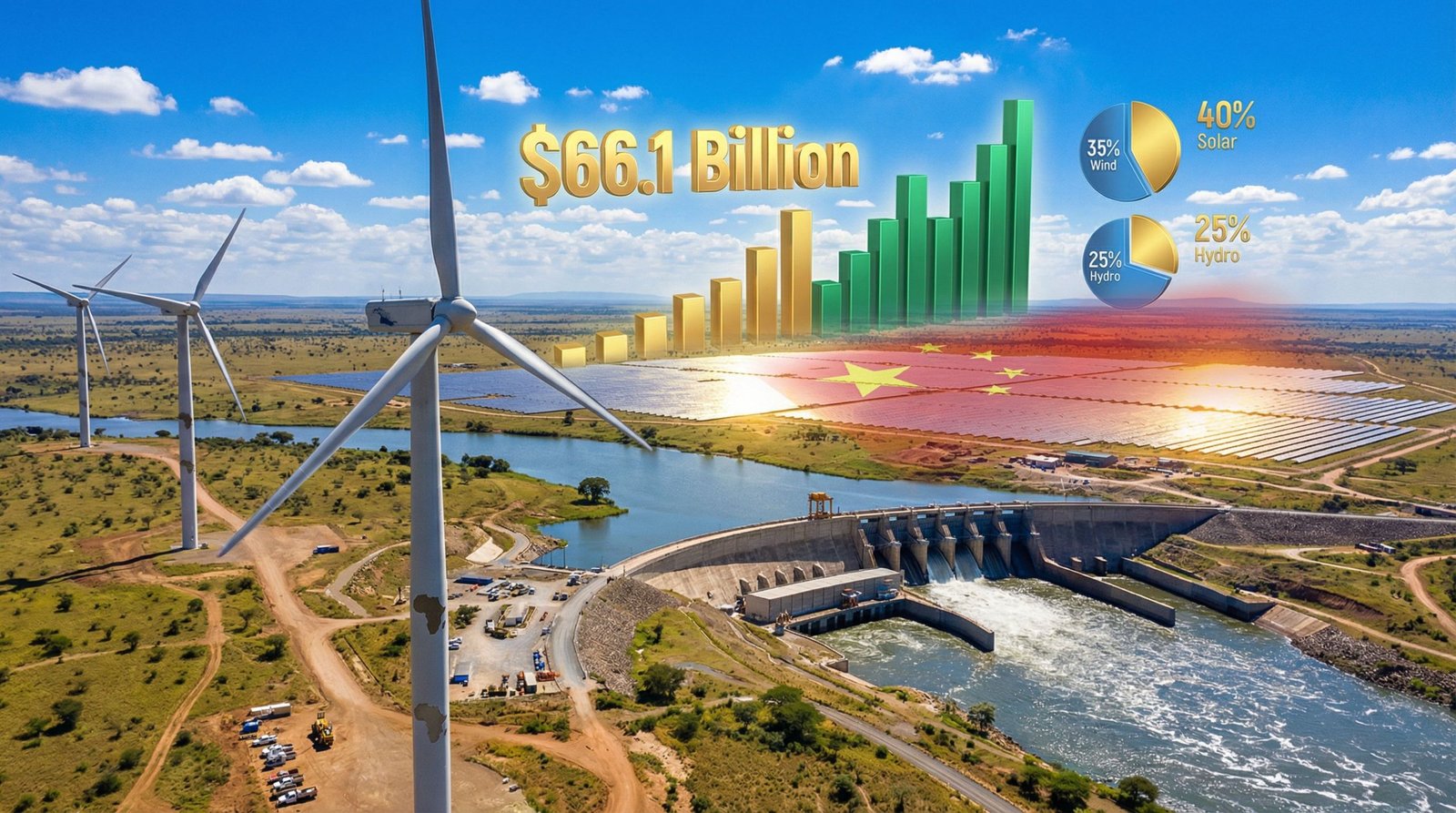
China’s ascendancy as the foremost energy financier in Africa results from a well-calibrated strategy that gained momentum in the early 2000s. According to data from the Global Development Policy Center, from 2000 to 2024, China allocated $66.1 billion to energy loans in Africa, marking this sector as one of the largest recipients of Chinese lending.
This strategic positioning arose from China’s rapid economic growth and escalating energy demands. As domestic energy consumption surged, Beijing developed advanced financing mechanisms to ensure dependable access to resources while forging robust partnerships with resource-rich nations.
The Strategic Framework of China’s Energy Diplomacy
China’s energy financing in Africa operates through a multifaceted framework that harmonizes resource security with infrastructure development and geopolitical positioning. At its core lies the Belt and Road Initiative, complemented by specialized institutions like the China Development Bank and the Export-Import Bank of China.
Chinese lenders excel in flexibility regarding project assessments, often engaging in frontier markets with complex political and regulatory environments—areas where Western institutions are generally reticent. This adaptability has proven critical for securing a dominant presence in African markets.
Competitive Advantages of Chinese Financing
- Streamlined approval processes that evade complex governance hurdles
- Integrated infrastructure deployment spanning energy, transport, and telecommunications
- Long-term partnership commitments that endure beyond project completion
- Resource-backed financing structures that mitigate conventional credit risks
Investment Trends and Patterns
The timeline of China’s energy investments in Africa demonstrates distinct phases, each reflecting evolving strategic priorities:
Phase 1 (2000-2010): Foundation Building
Initial investments of around $18.2 billion focused on oil extraction infrastructure and basic power generation, with Angola as the predominant recipient.
Phase 2 (2011-2020): Scale and Diversification
Investment surged to $25.4 billion, marked by diversification in geographical distribution and technology, emphasizing hydroelectric projects, especially in Ethiopia and Zambia.
Phase 3 (2021-2024): Strategic Consolidation
Recent allocations of $22.5 billion increasingly focus on renewable technologies and regional integration projects, aligning with global energy transition trends.
Distinctive Features of Chinese Energy Financing
The key differences between Chinese and Western financing approaches stem from varying risk assessments, approval timelines, and project types. While Western entities concentrate on renewable projects requiring robust governance, Chinese lenders demonstrate a readiness to finance fossil fuel initiatives in challenging regulatory climates.
Risk Assessment and Project Selection
Chinese development banks employ different risk tolerance frameworks, allowing them to engage in high-risk projects that Western counterparts avoid. Their strategies are supported by:
- State backing that provides implicit guarantees against institutional risk
- Resource-backed loans that serve as collateral
- Goals focused on resource access that endorse higher risk acceptability
- Comprehensive development approaches that leverage multiple revenue streams
The Resource-for-Infrastructure Model
Angola exemplifies the resource-for-infrastructure financing model, receiving $27.3 billion across 41 loans, largely for oil extraction and refinery projects, backed by crude oil agreements.
Benefits of this model include:
For African Nations:
- Access to substantial financing without stringent creditworthiness criteria
- Comprehensive infrastructure packages catering to varied development needs
- Reduced reliance on Western financial institutions
For Chinese Lenders:
- Secured supply chains that alleviate vulnerabilities
- Strategic access to resources supporting domestic industrial needs
- Long-term partnerships that encourage future investments
Leading Sectors for Chinese Investment in Africa
Analysis of investment distribution highlights a preference for sectors aligned with resource availability and strategic goals. While oil and gas remain primary investment areas, renewable projects are witnessing accelerated growth.
Dominance in Oil and Gas
The petroleum sector remains the centerpiece of Chinese energy financing, with significant funding directed towards:
| Country | Investment | Focus | Strategic Value |
|---|---|---|---|
| Angola | $27.3 billion | Oil production & refinery | Direct supply agreements |
| Sudan | $4.2 billion | Export infrastructure | Pipeline & refinery development |
| Equatorial Guinea | $1.8 billion | Offshore production | Export capacity enhancement |
| Uganda | $2.6 billion | Upstream development | Emerging oil sector |
Leadership in Hydroelectric Power
Chinese investments in hydropower exhibit expertise in dam construction paired with Africa’s abundant water resources.
Ethiopia attracted $3.4 billion for hydroelectric projects aimed at bolstering its aspirations as a regional energy exporter, while Zambia received $3.1 billion emphasizing its power infrastructure crucial for the mining sector.
Growth in Renewable Energy
Recent years have seen a shift toward investing in solar, wind, and geothermal technologies, with Kenya benefiting from $1.8 billion directed towards enhancing its geothermal capacity and electricity network.
Key characteristics of renewable investments include:
- Synergies with existing grid infrastructures
- Technology transfer initiatives designed to elevate local capacities
- Hybrid financing structures incorporating grants and loans
- Emphasis on environmental sustainability to meet climate goals
Regional Investment Patterns and Strategic Objectives
Geographic patterns of Chinese energy investment reflect a clear strategic rationale, tailored to leverage resource strengths and market access opportunities.
Southern Africa: An Industrial Energy Hub
Southern Africa’s rich mineral base attracts significant Chinese investments aimed at fostering economic growth and resource extraction.
West Africa: Oil Production and Export Capacity
The focus in West Africa remains heavily geared towards developing petroleum infrastructure. Angola’s staggering $27.3 billion investment underscores the region’s critical need for reliable energy supply while Ghana allocated $2.3 billion for stabilizing its electricity network.
East Africa: Renewable Energy Focus
East Africa demonstrates a notable concentration of renewable energy initiatives, particularly in Ethiopia and Kenya, centered on sustainability and regional integration.
Economic Multiplier Effects of Chinese Investments
Chinese energy investments create significant economic ripple effects, facilitating employment and industrial development while enhancing trade balances.
Catalysts for Industrial Development
Reliable energy sources drive industrial growth, easing previous limitations. Enhanced access to electricity allows for expanded agricultural processing, boosting rural incomes and integration into urban economies.
Employment Creation and Skills Development
Infrastructure projects generate jobs during their construction phases, with continued employment opportunities in operations and maintenance.
Trade Balance and Export Revenue
Investment in energy not only fosters domestic production capabilities but also unlocks new opportunities for exports, driving foreign exchange growth and improving trade dynamics.
China’s Energy Investment Strategy versus Competitors
The competitive landscape in African energy investments features various players, each with unique strategies and risk tolerances.
U.S. and EU Approaches
Western financing increasingly emphasizes renewable energy with rigorous governance requirements, often resulting in longer project timelines, making Chinese options more appealing for nations in urgent need of infrastructure development.
Russian Energy Strategy
Russia offers alternative partnerships emphasizing nuclear energy cooperation and oil development, leveraging existing ties with strategic resource access.
Advantages of Chinese Financing
Chinese financing’s principal advantages include rapid approval processes, integrated project packages, and long-term partnerships, enhancing its attractiveness over conventional Western approaches.
Debt Sustainability Considerations of Chinese Energy Lending
The scale of Chinese energy loans invites scrutiny into their sustainability and long-term economic impacts on recipient nations.
Loan Structures and Repayment Terms
Chinese loans exhibit variability in their terms, often incorporating resource-backed structures that optimize conditions for nations rich in commodities.
Debt-to-GDP Impact Analysis
Countries heavily reliant on Chinese financial support illustrate distinct debt sustainability profiles that require close monitoring, especially regarding commodity price fluctuations.
The Evolution Towards Renewable Technologies
Chinese financing is increasingly aligning with renewable energy initiatives, responding to global energy dynamics while embracing cleaner technologies.
Acceleration of Clean Energy Transition
Substantial resources allocated to renewables signal a notable shift towards more sustainable energy practices.
Technology Transfer and Local Production
Investments emphasize local capacities through establishing manufacturing bases for solar panels and wind turbines, ensuring skills are developed within recipient nations.
Integration with Climate Finance
Chinese renewable energy investments are beginning to engage with international climate finance mechanisms, optimizing project economics and sustainability.
Future Prospects for China-Africa Energy Partnerships
The trajectory of energy investments between China and Africa points towards sophisticated, technology-driven, and environmentally-friendly approaches, with competitive geopolitical dynamics shaping future collaborations.
Investment Trends and Priorities
Emerging trends are likely to focus on digital energy solutions, battery technologies for stability, and improved cross-border electricity trading infrastructure.
Geopolitical Rivalry and Market Implications
Heightened competition for influence among global powers will foster more favorable terms for African countries, allowing for diversified partnership portfolios and potential innovation in regulatory frameworks.
Sustainability and Environmental Considerations
Future partnerships will need to address environmental impacts comprehensively, ensuring that projects adhere to sustainability goals while benefiting local communities.
Frequently Asked Questions
How much has China invested in African energy projects?
China has invested $66.1 billion in energy loans to African nations from 2000 to 2024, making it the continent’s largest external energy financier.
Which African nations have received the most Chinese energy financing?
Angola tops the list with $27.3 billion, followed by South Africa ($4.5 billion), Sudan ($4.2 billion), Ethiopia ($3.4 billion), and Zambia ($3.1 billion).
What types of energy projects does China finance in Africa?
Chinese investments cover diverse energy projects, from hydroelectric dams and solar panels to oil and gas infrastructure and thermal power plants.
How does Chinese energy financing differ from Western alternatives?
Chinese financing is characterized by faster approvals and higher risk tolerance, uniquely willing to invest in fossil fuel ventures in contrast to the increasingly renewable-focused Western financing institutions.
Strategic Implications for Africa’s Energy Future
The extensive $66.1 billion investment from China signifies more than mere financial deployment; it encapsulates a transformative shift in Africa’s energy infrastructure, governance, and international partnerships.
Long-term Sustainability of Partnerships
The future of China-Africa energy projects depends on balancing urgent infrastructure needs with responsible fiscal practices that prioritize sustainability.
Regional Integration and Development
The immense scale of investments opens doors for transformed electricity markets and collaborative energy solutions across the continent, necessitating coordinated efforts for maximized benefits.
For anyone seeking to capitalize on Africa’s burgeoning energy infrastructure opportunities, leveraging the insights from these developments can yield significant advantages in navigating this rapidly evolving landscape.
