

Chevron’s Local Engagement and Sustainability Efforts in Africa
As global energy companies enhance local engagement reporting frameworks, a pivotal question persists: How aligned are sustainability commitments with actual on-the-ground impacts? For International Oil Companies (IOCs) operating in Africa, the answer increasingly hinges on the effectiveness of local engagement principles in translating into economic participation, infrastructure development, and technology transfer.
Chevron’s Commitment to Local Economic Integration
Chevron, one of the longest-established operators in Africa, demonstrates this balance prominently in its activities across Nigeria, Angola, and the broader region. The company’s sustainability reporting underscores its dedication to community investment, environmental stewardship, and workforce development.
In Angola, where Chevron has operated for nearly 70 years through its subsidiary Cabinda Gulf Oil Company, over 90% of the workforce is local. This figure reflects longstanding efforts to localize employment and disseminate technical expertise.
Investment in Community Development
Chevron and its partners have invested more than $250 million in social and community development programs in Angola, supporting initiatives in healthcare, education, and economic development. In Nigeria, Chevron has also prioritized local supply chains as a cornerstone of its engagement strategy. The company has reportedly spent about $1 billion annually on Nigerian suppliers and service providers over the last decade, directing more than $10 billion into domestic contractors and businesses.
This substantial spending assists in reinforcing Nigeria’s local content framework while fostering indigenous capacity across sectors like engineering, logistics, and oilfield services.
Challenges of Local Engagement Reporting
Despite these efforts, IOCs often face criticism regarding their local engagement reporting. Critics argue that these reports emphasize corporate social responsibility initiatives at the expense of deeper economic integration. While community investment and environmental programs remain essential, African policymakers are increasingly demanding local participation in project development, procurement, and energy infrastructure.
Chevron’s project portfolio reflects both opportunities and challenges in bridging this gap. For instance, the Sanha Lean Gas Connection Project in Angola connects offshore gas fields to the Angola LNG facility, showcasing how major energy infrastructure can foster domestic value. The project enables monetization of associated gas, rather than flaring it, which enhances Angola’s gas value chain and contributes to long-term energy security.
Expanding Presence Across the Continent
Beyond Angola, Chevron is expanding its footprint throughout Africa, actively exploring new opportunities in Nigeria, holding stakes in production assets in Equatorial Guinea, and assessing offshore ventures in Namibia and Algeria. As African nations strive to develop their oil and gas industries while strengthening domestic markets, there is mounting pressure on global operators to ensure that local engagement efforts yield substantial economic benefits.
According to a report from the African Energy Chamber, the industry is increasingly focusing on action-oriented implementation instead of mere documentation.
The Need for Meaningful Partnerships
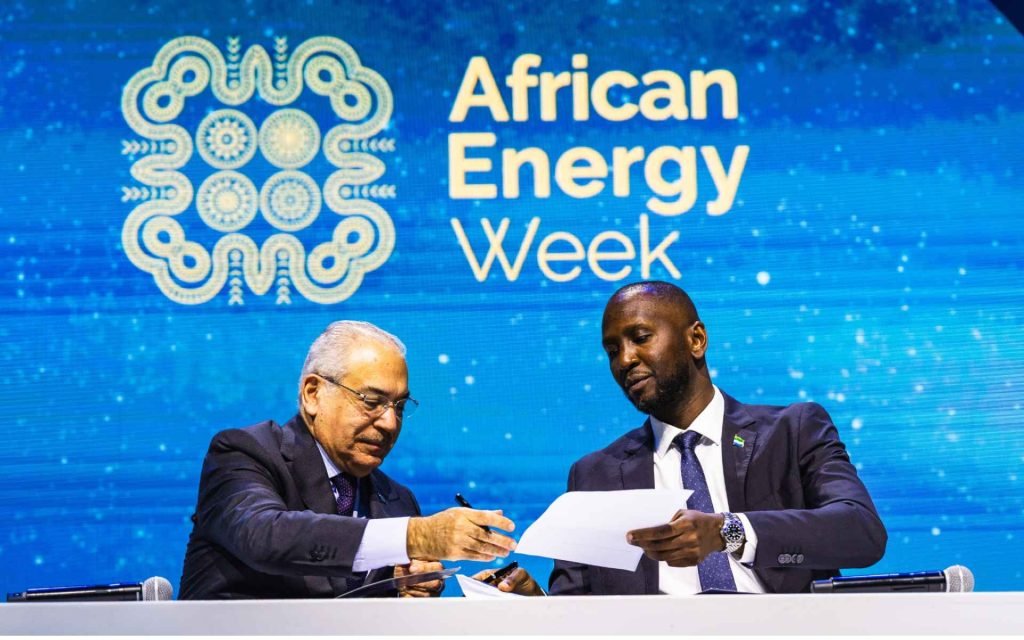
“Africa doesn’t need more sustainability reports collecting dust,” states NJ Ayuk, Executive Chairman of the African Energy Chamber. “We require partnerships that build industries, train African workers, and retain more benefits from our resources on the continent.” Events like African Energy Week provide vital platforms for stakeholders to promote projects while confirming that sustainability commitments lead to measurable outcomes.
As local engagement expectations evolve, the scrutiny on international operators like Chevron intensifies concerning the translation of sustainability commitments into tangible economic contributions. The most meaningful metrics may well revolve around local content and the degree to which global companies help in constructing lasting industries alongside their operations.
Empowering Local Communities
Chevron’s training and development programs across Africa have significantly empowered local communities. Many individuals trained by Chevron have transitioned into roles in public service, infusing enhanced skills and best practices into their respective sectors. A significant number of these alumni have also entered the private sector, leading successful enterprises—showcasing the valuable skills gained during their tenure with Chevron.
By promoting entrepreneurship, Chevron aims to inspire African individuals to establish and manage their own ventures, thereby contributing to the continent’s overall economic growth.
