

Assessing the Impact and Future of Land Reform in South Africa
South Africa’s journey towards effective land reform relies heavily on the outcomes experienced by beneficiaries in terms of jobs, skills development, and broader economic inclusion. According to Peter Setou, the chief executive of the Vumelana Advisory Fund, significant gaps remain in achieving these objectives.
Setou emphasizes the importance of post-settlement support as a crucial element of successful land reform. He argues that merely returning land to communities without ongoing support is a recipe for failure. “Post-settlement support includes access to finance, market integration, skills development, and mentorship programs,” he states, highlighting an array of necessary interventions that extend beyond the initial transfer.
Ensuring Good Governance and Community Trust
The Vumelana Advisory Fund, a non-profit organization dedicated to assisting land reform beneficiaries, underscores the significance of strong governance and responsible administration. Building public trust and maintaining social cohesion within communities are essential for fostering a conducive environment for investment. “Both communities and potential investors seek assurances that restored assets are managed ethically and transparently,” the organization notes.
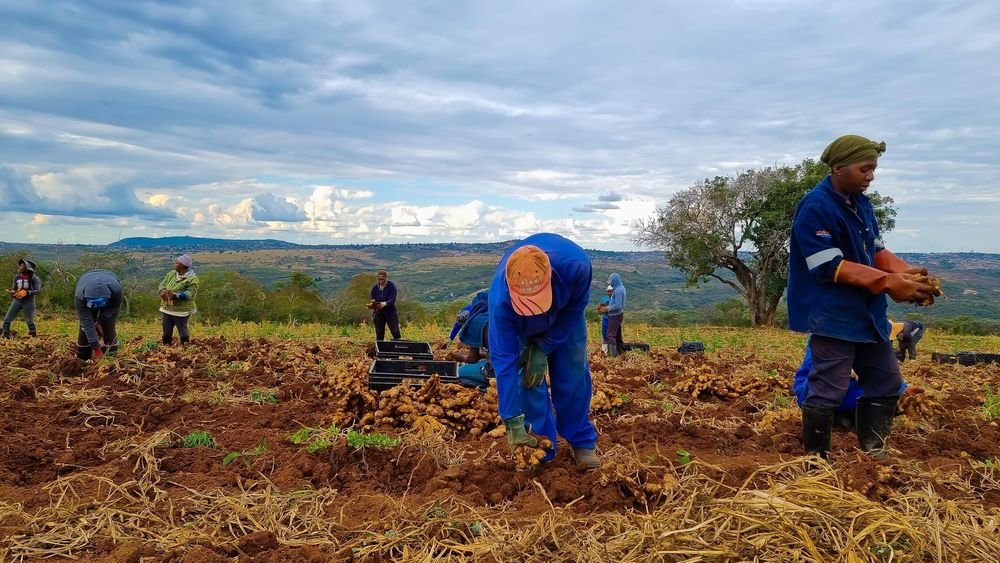
In a recent event, President Cyril Ramaphosa officiated the transfer of title deeds for 18,000 hectares of land to approximately 2,800 beneficiaries, including the Lawrence family and communities in Umzimkhulu, KwaZulu-Natal. This transfer has seen 571 female-headed households reclaim their ancestral lands.
From Land Restitution to Sustainable Development
During the title deed handover ceremony, President Ramaphosa highlighted the need for restored land to serve as a catalyst for sustainable development and economic upliftment. Emphasizing the responsibility of Communal Property Associations, he urged them to utilize the advantages of land restitution to foster community development and promote shared prosperity.
Ramaphosa also stressed that the handover, coinciding with Human Rights Day, symbolizes the ongoing quest for human dignity and the creation of an economy that benefits everyone. Since 1994, the government has worked diligently to address the legacy of land dispossession and has resolved around 16,900 claims in KwaZulu-Natal alone, investing over R376 million in land acquisition and community development grants.
Addressing Socioeconomic Challenges through Land Reform
Land reform is not just about redistributing land but also about tackling pressing national issues such as high unemployment, poverty, and inequality. Setou affirms that the process is aimed at expanding the pool of commercial farmers while simultaneously creating jobs and boosting the economy. “We aim to keep the rural economy vibrant and inclusive,” he states.
The Vumelana Advisory Fund argues that the government and stakeholders must commit to ongoing training and mentorship for new farmers and explore better financing options that prevent unsustainable debt burdens. Urgent attention is required to eliminate restrictions on affordable finance, particularly for rural communities.
Investing in Institutional Support for Land Reform
For South Africa to attain sustainable land reform, a dedicated allocation of funding towards institutional support is paramount. Vumelana posits that instead of reinventing the wheel, the government should partner with established organizations that possess a proven track record. “Project funding is a critical concern, and harnessing private sector partnerships can facilitate funding for land reform initiatives,” explains Setou.
Earlier, Wandile Sihlobo, the Presidential envoy on Agriculture and Land, noted that the government has acquired approximately 2.5 million hectares under the PLAS program. However, significant work remains to see this land effectively transferred for commercial farming. “New distribution must focus on empowering young people and women to achieve agricultural development in South Africa,” Sihlobo declares.
