

Design In West Africa: Unity in Multiplicity – Celebrating Cultural Diversity at Palais de Lomé
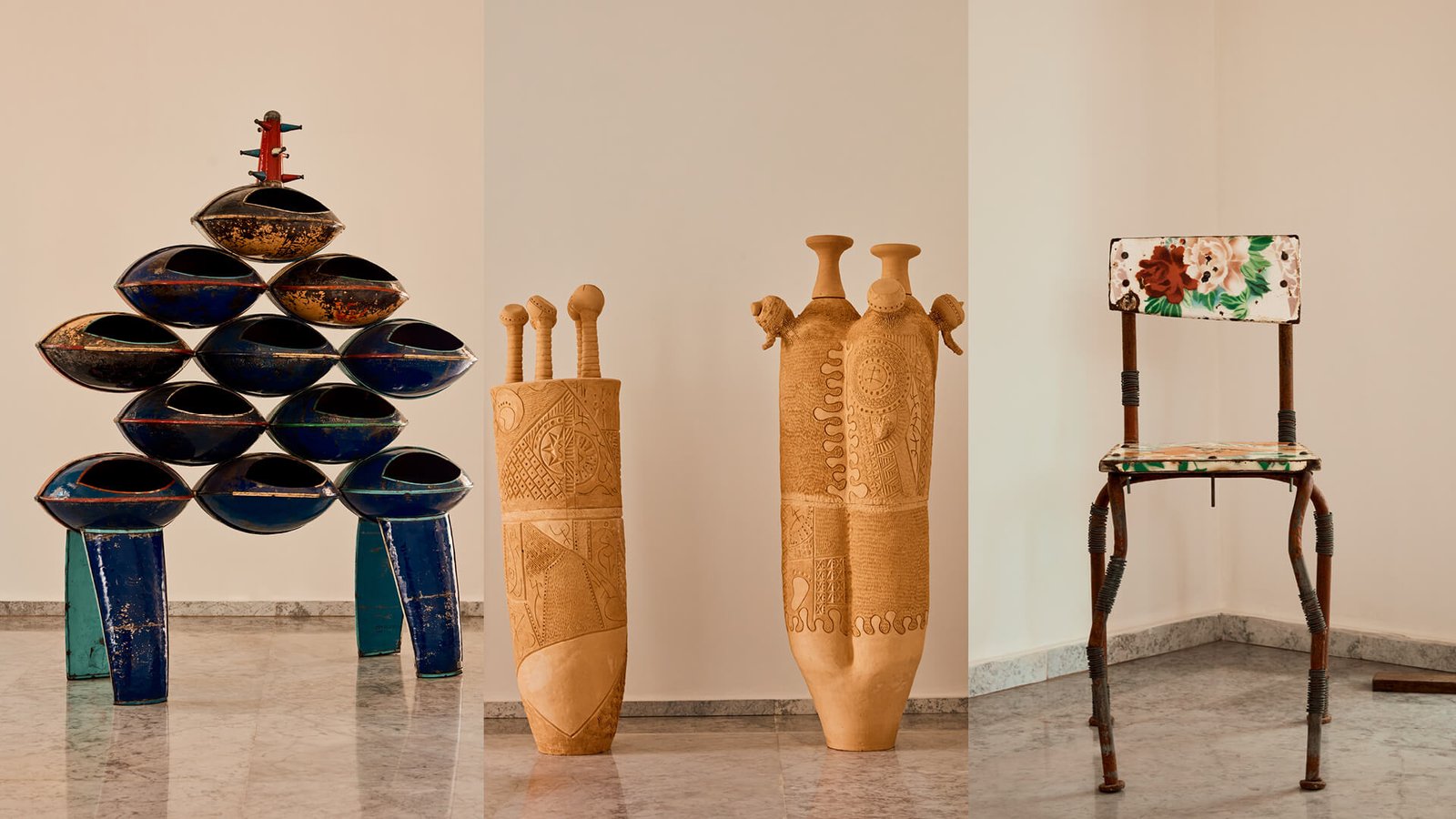
The artistic and creative endeavors in West Africa are deeply intertwined with tradition and regional collaboration, affecting design practices, forms, and dimensions. This rich cultural synergy is prominently showcased in the exhibition Design In West Africa: Unity in Multiplicity, currently hosted at the historic Palais de Lomé in Togo. The event features the works of over 20 talented artists and designers hailing from Togo, Burkina Faso, Ivory Coast, Ghana, Nigeria, Senegal, and Mali.
A Historic Venue for Cultural Expression
Constructed in 1905, the Palais de Lomé has transitioned into a hub for national and pan-African cultural expressions. Following a period of neglect due to socio-political unrest between 1990 and 1991, the venue underwent meticulous restoration from 2014 to 2019 and opened its doors to the public in November 2019. This architectural gem serves as a fitting backdrop for an exhibition that delves into photography, sculpture, new media, and various design forms.
Curated with a Vision
Curated by Nicolas Bellavance-Lecompte, a Canadian-Italian architect, and directed by Sonia Lawson, the exhibition runs until May 30, 2026. It aims to celebrate the multiple facets of cultural materials, creativity, and backgrounds without falling into the trap of singular identities. The exhibition asserts design as a language of resistance, memory, and vision.
“The selection process was guided by research and engagement with local artists and artisans. It was crucial to avoid imposing an external narrative,” says Bellavance-Lecompte.
Embracing Diversity and Shared Culture
The exhibition features a myriad of creative voices ranging from internationally acclaimed designers to self-taught artisans. It fosters an environment where diverse artistic expressions coexist without rigid hierarchies. Each piece invites attendees to engage in a deeper dialogue around cultural practices and experiences, celebrating the unity in diversity across the West African region.
Themes of Exploration
The exhibition revolves around three major themes:
Design as Transmission
Objects on display capture narratives of memory, spirituality, craftsmanship, and innovative design. The aim here is not to resolve differences but to let them thrive in harmony, showcasing a future-oriented vision of West African design.
Philosophy of Making
The cohesion of the exhibited works stems not from a singular aesthetic but from a shared philosophy. Across all creations, the understanding of objects as entities with innate life and meaning transcends their mere functionality.
Featured Artists and Their Works
Among the featured artists are:
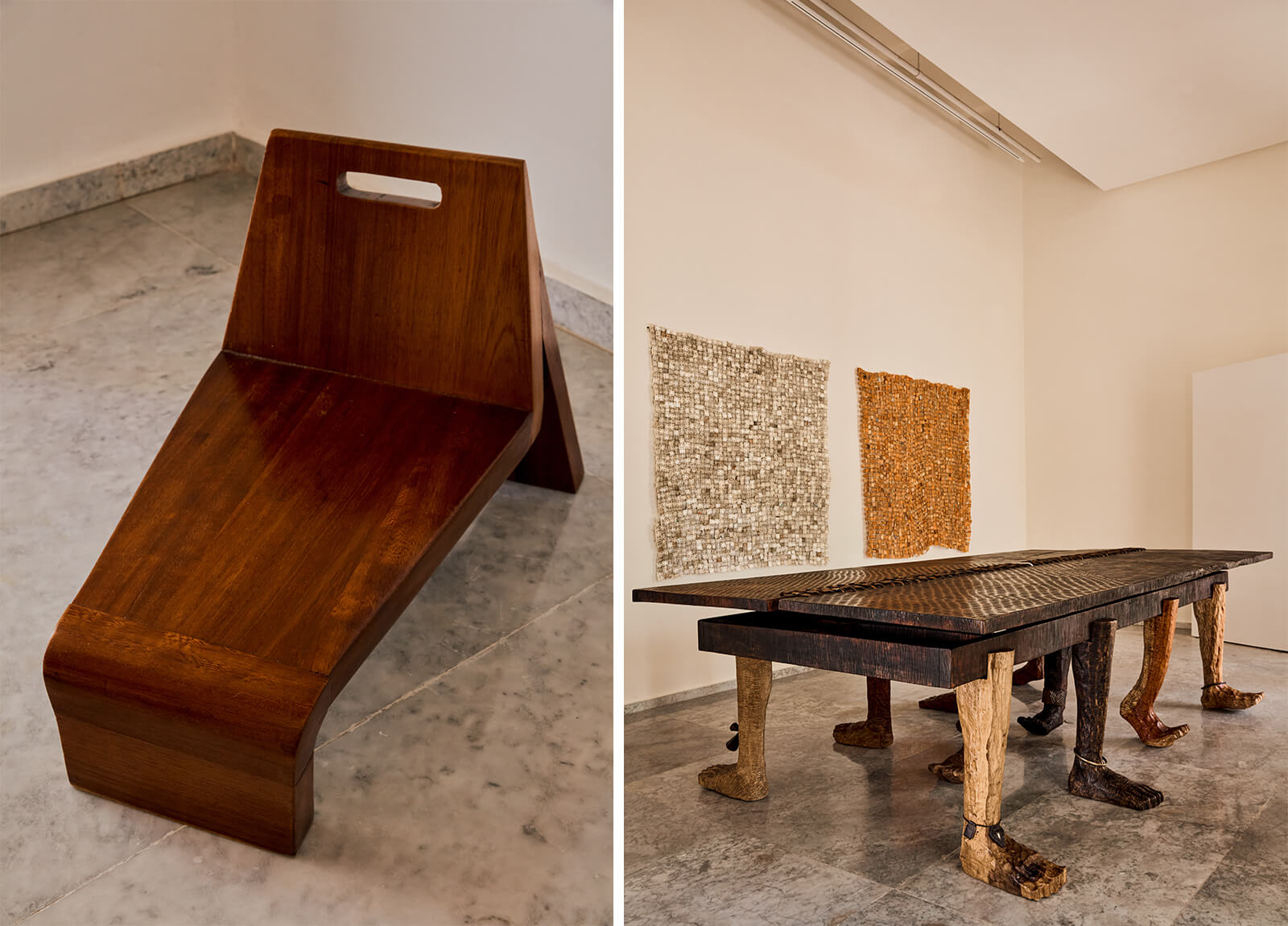
- Kossi Assou: Displays low-lying seats inspired by the Sahel region’s traditions, merging sculpture and design.
- Steve Kwami Dodji Gbeteglo: His wooden table design symbolizes various communities of enslaved peoples, offering a rich narrative rooted in African social imagination.
- Affiavi: A Togolese potter presenting her dream-inspired pottery works reflecting her village’s traditions.
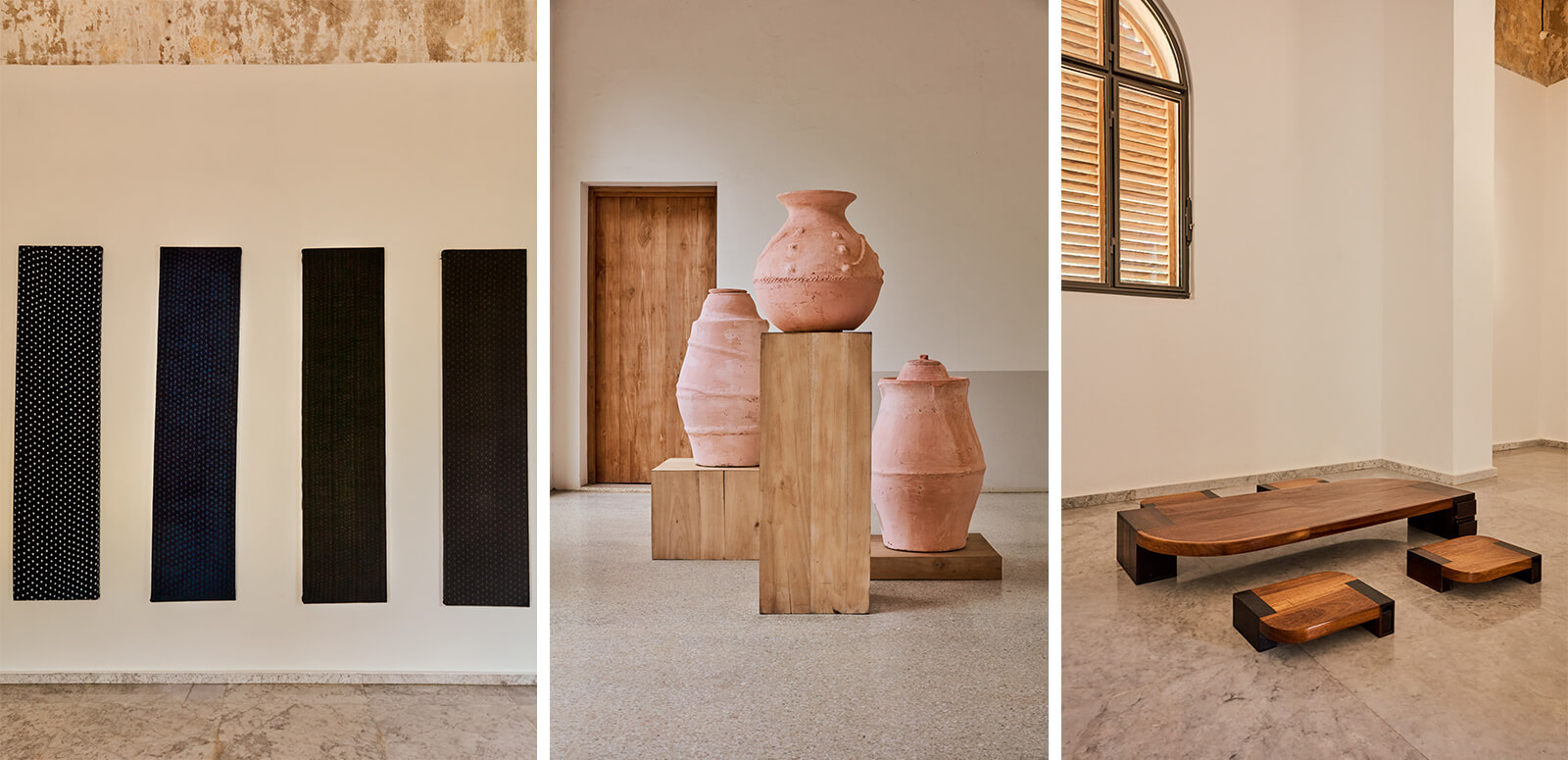
- Ameyovi Homawoo: Combining painting, sculpture, and design, her low-lying wooden table and seats celebrate women’s resilience.
A Broader Perspective
The Design In West Africa exhibition bridges the gap between traditional craftsmanship and contemporary design, exploring themes of materiality, spirituality, and collective memory. Artists such as Balla Niang and Cheick Diallo illustrate how modern techniques can harmoniously coexist with cultural heritage, enriching the dialogue between past and future.
Concluding Thoughts
The exhibition invites viewers to rethink the concept of unity within the vibrant diversity of West African cultures. As Bellavance-Lecompte states, “Unity in West Africa is not about uniformity, but about a unity in multiplicity,” celebrating cultural intersections and creative plurality.
From traditional crafts to modern expressions, Design In West Africa: Unity in Multiplicity casts light on the richness of the region’s artistic landscape, making it a must-visit for those interested in exploring the profound narratives woven into its artistic expressions.
The exhibition is open until May 30, 2026, at the Palais de Lomé, Togo.
