

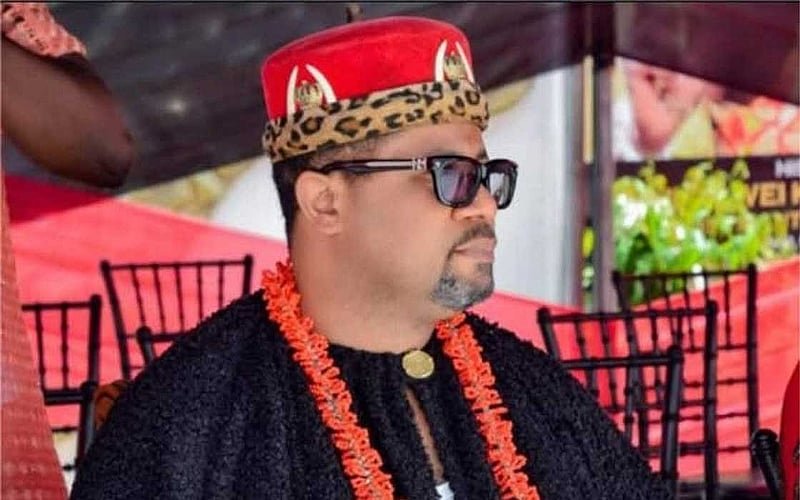
Understanding the Controversy Surrounding Eze Ndi Igbo: A Cultural Perspective
The ongoing protests regarding the title of Eze Ndi Igbo—often translated as "Igbo King"—have sparked significant debate both within Nigeria and across the African continent. This article delves into the complexities surrounding this title and the cultural misunderstandings that fuel such protests, especially those occurring in South Africa.
The Misinterpretation of Eze Ndi Igbo
Many individuals protesting the title Eze Ndi Igbo believe that it signifies a singular, overarching king for the Igbo community. This misconception can lead to significant cultural misunderstandings, contributing to feelings of xenophobia and prejudice. It is essential to clarify that the term Eze Ndi Igbo refers to the leaders of Igbo communities, but it does not imply that Igbos have a singular king or that these leaders hold the same status as kings in other cultural contexts.
The Cultural Distinction: Igwe vs. Kingship
The surname Igwe is often misunderstood both by Igbos and non-Igbos alike. While many view Igwe as a title denoting royalty, for some, it is simply a surname with no royal connotation. In the Igbo culture, the saying "Igbo enweghi Eze" translates to "the Igbos have no king." This reflects a cultural norm whereby kingship is not revered as it is in other African cultures.
A Broader Perspective on Igbo Kingship
Understanding the phrase Eze Ndi Igbo requires a deeper cultural perspective. The title is not meant to imply supremacy over other cultures or ethnic groups. Instead, it represents the leaders of various Igbo factions who have been recognized within their communities. The continuous misinterpretation of this title highlights the need for increased cultural awareness and sensitivity among both Igbos and non-Igbos.
The Cultural Confusion: A Personal Account
Many Igbos, including those who carry the surname Igwe, face challenges outside their home region due to these cultural misunderstandings. Non-Igbo individuals often mistakenly associate the surname with kingship, leading to awkward encounters and mischaracterization.
Common Misconceptions
- The Name Game: When introduced, many non-Igbos immediately hail someone named Igwe as a king, failing to recognize the difference between a surname and a royal title.
- Judging from the Outside: Non-Igbo individuals often generalize Igbo cultural norms based on their misunderstandings, leading to prejudice and irrational fear.
Addressing the Protests and Cultural Sensitivity
The protests occurring in places like South Africa stem from broader issues of misunderstanding and prejudice. Individuals may feel threatened by the existence of Eze Ndi Igbo, leading to misdirected hostility towards the Igbo community.
Key Misunderstandings
- Geographical Confusion: Titles such as Eze Ndi Igbo Na Lagos refer specifically to the Igbo community within Lagos and should not be taken as a claim of authority over Lagos itself.
- The Role of Culture: The perception that the Igbo have a singular king, akin to kingship systems in other African nations, adds to the conflict and misunderstanding. This is a misnomer that needs to be clarified.
Moving Forward: Promoting Cultural Understanding
Efforts should focus on fostering cultural education to diminish misunderstandings and promote peace.
Educational Initiatives
- Cultural Workshops: Hosting workshops can help educate both Igbos and non-Igbos about the nuances of Igbo culture and kingship.
- Community Dialogues: Encouraging conversations between different cultural groups can foster better understanding and collaboration.
Conclusion
The ongoing controversy surrounding Eze Ndi Igbo underscores the importance of cultural understanding and sensitivity in our increasingly interconnected world. It is crucial to dispel myths and foster dialogue among diverse communities to promote peace and harmony.
To learn more about Igbo culture and explore the meanings behind different cultural titles, visit Cultural Insight.
By unpacking the complexities surrounding the title of Eze Ndi Igbo, this article aims to shed light on the misconceptions and encourage understanding among different cultural groups. When biases and misunderstandings are addressed, we can begin to build a more inclusive community.
