

The Power of Legacy: Unveiling African Art at Wellesley College
A Journey Through Black History Month
During the Black History Month tour at the Davis Museum, Wellesley College provided a poignant exploration of the legacy of African art. The event, aptly titled The Power of Legacy, invited attendees to engage deeply with the cultural significance of works created by Black artists, enriching the understanding of the African Diaspora.
The Artistic Fragments of Emmanuel Araújo
One striking piece, Untitled by Emmanuel Araújo, presented an initial puzzle to many. Its seemingly chaotic forms and edges evoked a discussion around urban issues. A student connected the art to favelization, a term describing the urban development processes that systematically marginalize Black communities in Brazil.
Semente, the curator, noted, “That’s kind of the point of abstraction.” The piece serves as a gateway to discuss the harsh realities of Araújo’s lived experience. Beyond an artist, Araújo was a passionate curator and advocate for preserving Black American narratives through art, continuing to leave a mark even after his recent passing.
Exploring Cultural Foundations
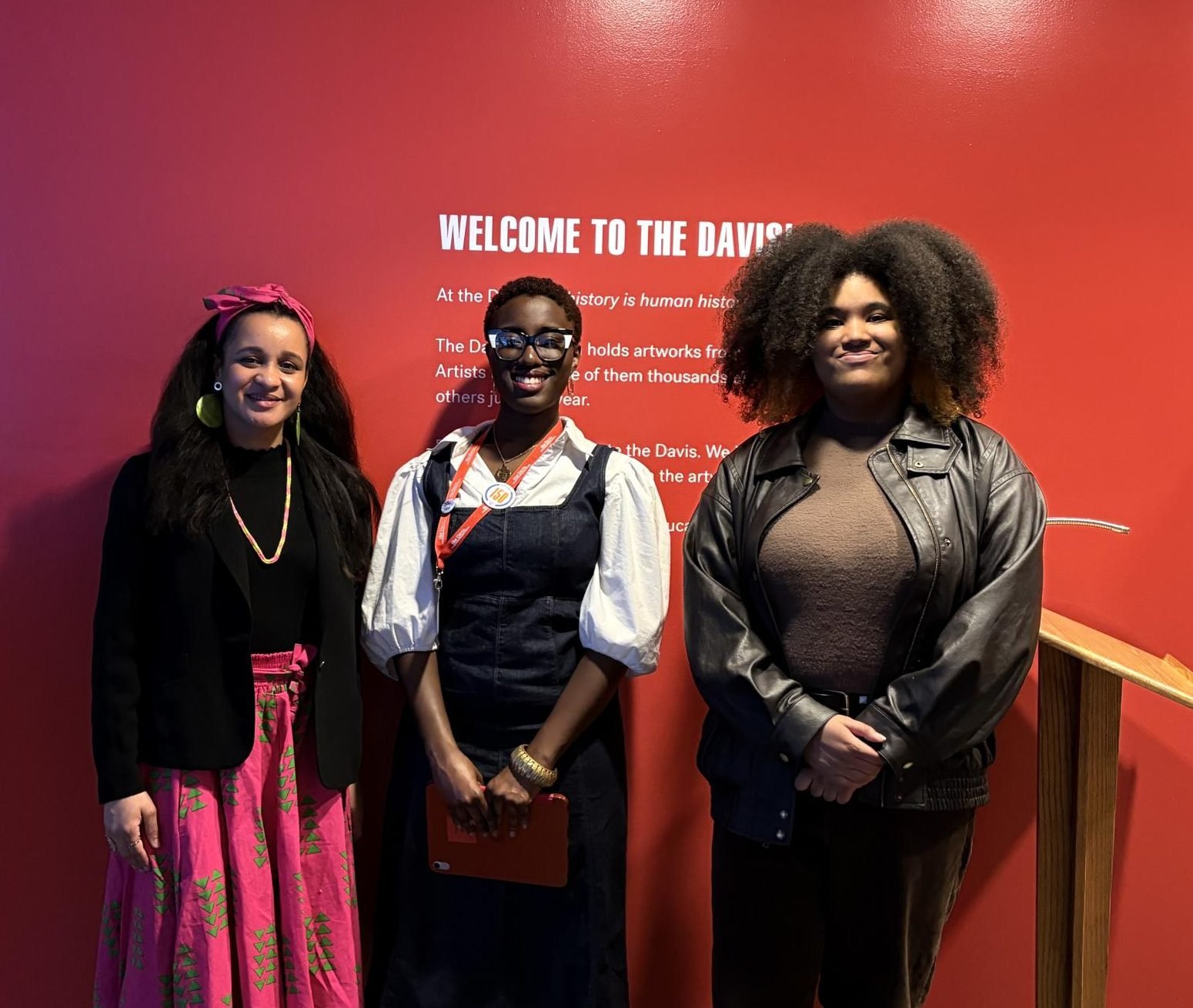
Guided by Dr. Semente, Nana Ama Asare-Kwaah ’28, and Rihanna Perry ’28, the tour illuminated diverse expressions of empowerment and cultural legacy. Semente emphasized the importance of understanding human history, stating that African culture transcends the violence often attached to its narrative. “The interruption of violence didn’t take away the power of our legacy,” they highlighted.
Celebrating Women in Art: Magdalene Odundo
A highlight of the tour was Magdalene Odundo’s exquisite ceramics. Born in 1950, this Kenyan-born British potter is lauded for her hand-built, burnished vessels. Pottery, traditionally a woman-centered craft in many African cultures, is transformed in Odundo’s work into high art that reflects the female form and identity.
Asare-Kwaah remarked on the relevance of contemporary African artists, stating, “There are living people who are making art now, and it’s beautiful.” Odundo’s work has garnered notable recognition, including a mention in Jonathan Anderson’s designs for the Dior Haute Couture Collection in January 2026 — a testament to the ongoing influence of African artistry.
The Impact of Betye and Alison Saar
Further enriching the tour, discussions led by Perry revolved around the impactful works of mother-daughter duo Betye and Alison Saar. The duo’s art often carries potent political and emotional messages. A particular favorite was Alison Saar’s print, High Cotton, known for its powerful symbolism of masked eyes representing the psychological burdens faced by Black individuals in society.
Saar’s work not only honors her mother’s legacy, who focuses on the African Diaspora, but also contributes to the wider conversation about representation in art.
Legacy: A Continuing Story
Rihanna Perry encapsulated the essence of the tour with a reflective thought: “Legacy is not what comes after you. It’s also what comes before you.” This perspective invites a deeper understanding of how cultural stories and identities are woven through generations, highlighting the ongoing narrative of Black history.
Conclusion: The Living Legacy of Black Art
The experience at Wellesley College was not merely about observing art but about recognizing the vibrant legacy and ongoing history of Black culture. The tour illuminated how art preserves stories and identities, showcasing that Black history is not a relic of the past—it is alive and evolving today. Each piece serves as a reminder of the resilience and creativity that continue to shape Black legacy.
For more on the significance of African art and legacy, consider exploring resources like The African American Museum and The Smithsonian National Museum of African Art.
