

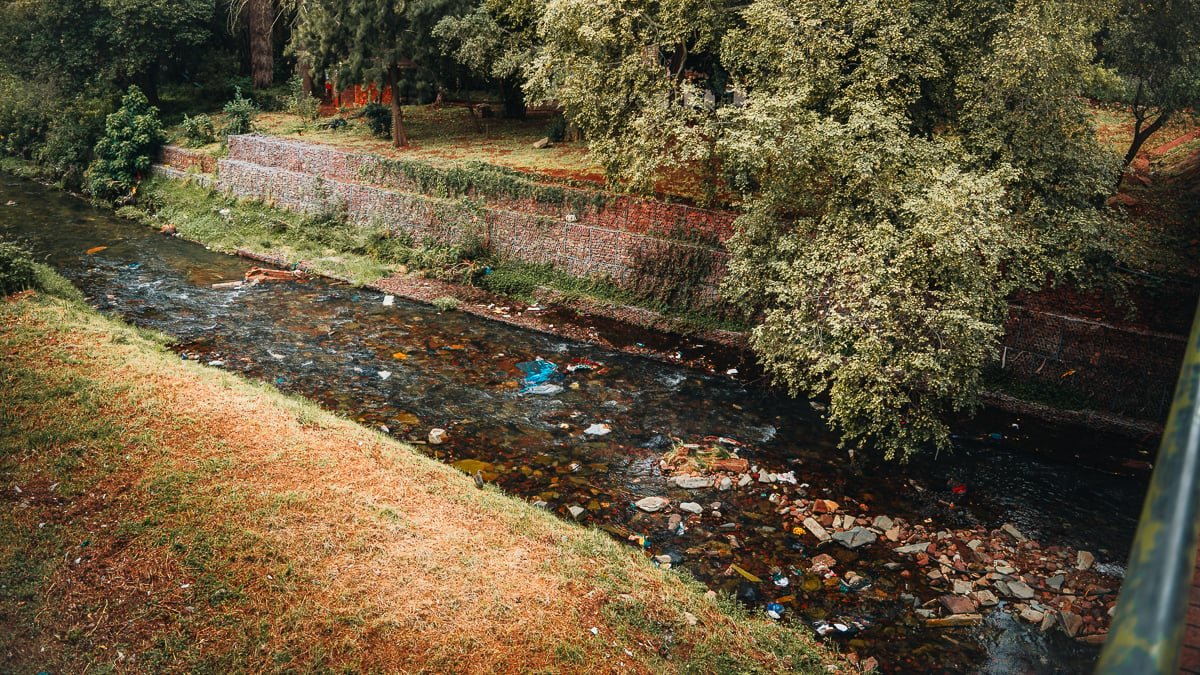
Urgent Refurbishment Needed for Pretoria’s Apies River: A Call for Investment
In 2025, officials from the City of Tshwane made an urgent plea for R2 billion in investments aimed at revitalizing the highly polluted Apies River, which meanders through Pretoria. This river, marred by significant chemical and microbiological contamination, poses both environmental and public health risks.
Water and Sanitation Infrastructure Investment Shortfall
In February 2026, Department of Water and Sanitation Director General Sean Phillips indicated that the R407 billion ($25.25 billion) allocated for South Africa’s water and sanitation infrastructure is primarily directed towards the 105 worst-performing municipalities, neglecting major metropolitan areas. This raises concerns that contamination issues will only worsen when these areas are included in future assessments.
Phillips highlighted the dire condition of wastewater treatment facilities like the Rooiwal Waste Water Treatment Works (WWTW). This facility has struggled to manage sewage overflow, resulting in untreated waste being discharged directly into the Apies River.
Understanding the Apies River’s Pollution Crisis
Historically known for its natural beauty and biodiversity, the Apies River, which translates to "monkeys" in Afrikaans, has suffered severe degradation. Flowing through key areas such as the Pretoria National Zoological Garden, its waters, originating from Fountains Valley, ultimately drain into the Pienaars River.
Local residents have expressed alarm at the declining water quality since as early as 2005, noting that pollution levels became unbearable by 2011. This situation led to the river being classified as a disaster zone by the Department of Water and Sanitation.
Farmers living near the river have also felt the repercussions. Theunis Vogel highlighted significant financial losses due to contamination of his irrigation dam, which was a direct result of the polluted waters.
In August 2025, during the Tshwane Investment Summit, officials renewed their call for over R2 billion to fund phase 2 of the Apies River refurbishment, with aims to alleviate pollution and stabilize water supplies to regions like Hammanskraal.
A Hazardous Waterway
In 2021, the South African Human Rights Commission (SAHRC) initiated an inquiry into polluted rivers in Tshwane, including the Apies River, following reports of sludge and raw sewage contamination from the Baviaanspoort wastewater treatment plant. The inquiry focused on multiple rivers plagued by pollution issues, underscoring the systemic failures in managing wastewater.
A 2021 study by the University of South Africa’s Department of Environmental Science reported that human-made activities are the leading contributors to the deterioration of water quality in the Apies River. Agricultural runoff, municipal wastewater treatment works like Rooiwal, and direct waste put immense strain on its ecosystem.
High levels of pollutants such as E. coli have rendered the river unsafe for human consumption and domestic use. Furthermore, downstream analyses show elevated ammonia levels that fail drinking water standards, posing risks to public health.
While the Apies River may not be safe for swimming due to the risk of gastrointestinal illnesses, it remains permissible for agricultural irrigation. The majority of the pollution stems from so-called non-point sources, which include animal waste and urban runoff, complicating efforts to mitigate contamination.
Visual Documentation of the Apies River


Conclusion
The severe pollution of the Apies River serves as a striking example of the broader challenges facing South Africa’s water and sanitation infrastructure. Immediate action, including substantial investments in upgrades and maintenance, is critical to restoring not only the environmental integrity of the river but also the health and well-being of local communities. As conversations about water sustainability and public health continue to gain traction, the emphasis must remain on proactive measures that address this pressing issue.
