

Brazil and South Africa Forge Defense Cooperation: A Strategic Shift for the Global South
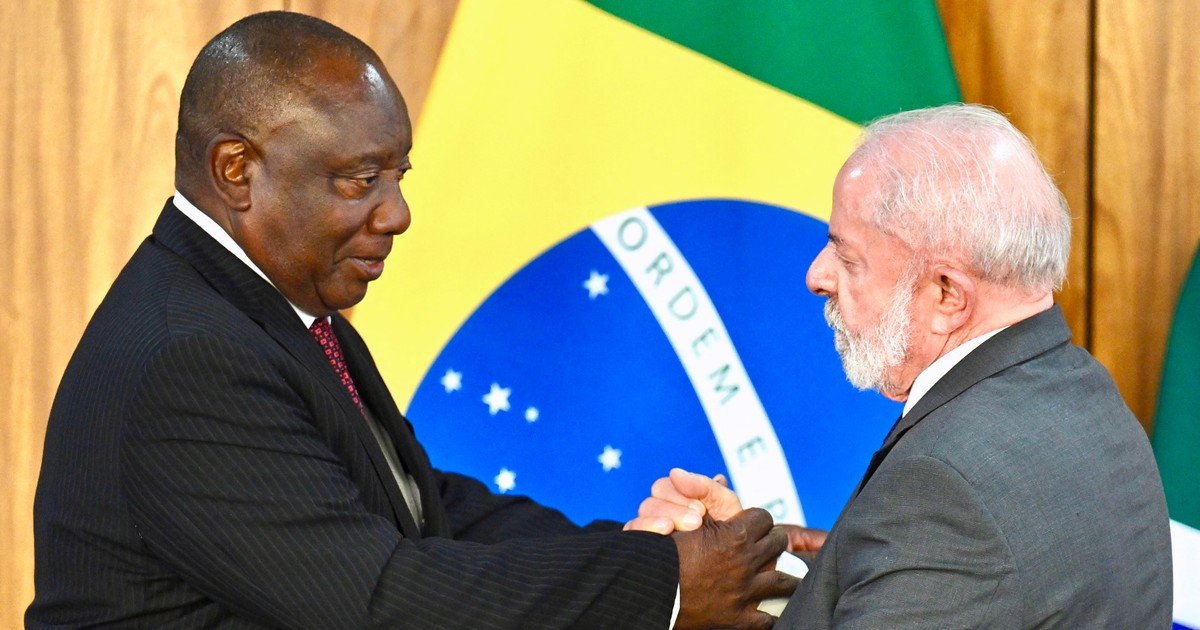
During a recent state visit in Brasília, Brazilian President Luiz Inácio Lula da Silva urged countries in the Global South to terminate reliance on foreign arms suppliers and take greater ownership of their security needs. This declaration coincided with discussions alongside South African President Cyril Ramaphosa, emphasizing the need for multinational collaboration in strengthening defense capabilities.
Responsibility for Security in the Global South
Lula articulated a pressing warning: “I don’t know if comrade Ramaphosa realizes that if we don’t prepare ourselves in terms of defense, one day someone will invade us.” This sentiment reflects a growing concern regarding geopolitical stability and the imperative for self-reliance among developing nations.
A Call for Joint Production Capabilities
The Brazilian leader advocated for a synthesis of industrial and technological advancements between Brazil and South Africa to foster domestic defense manufacturing. Lula remarked, “We need to combine our potential and see what we can produce together; we don’t need to keep buying from foreign arms suppliers.” This collaborative approach aims to build resilient defense systems and reduce external dependencies.
Acknowledgment of Existing Strengths
During the joint press conference, Ramaphosa recognized Brazil’s advanced capabilities in defense and aviation. He noted, “Brazil is much more advanced than us in terms of defense and aviation,” acknowledging the potential for knowledge exchange between the two nations.
Progress Towards Formal Cooperation
As part of this initiative, defense ministers from Brazil and South Africa are slated to convene to formulate a formal cooperation agreement. This agreement is expected to lay the groundwork for collaborative industrial and technological projects within the military sector.
Context of Rising Geopolitical Tensions
The discussions come at a time marked by escalating geopolitical tensions, highlighting the need for strategic autonomy among developing economies. Lula framed the proposed defense cooperation as a deterrence strategy rather than an escalation of militarization, asserting that “In South America, we present ourselves as a region of peace.”
Emphasizing Regional Security
Lula underscored the importance of maintaining peace in South America, stating, “No one has a nuclear bomb, no one has an atomic bomb. So we think of defense as deterrence.” This positioning reflects a commitment to peaceful coexistence while recognizing the necessity for preparation against potential threats.
BRICS: A Platform for Cooperation
Both Brazil and South Africa are key players in the BRICS coalition, which includes China, Russia, and other emerging economies. The bloc aims to enhance cooperation in areas such as trade, development, and security, thereby fostering stronger ties among member states.
U.S. Relations and Global Implications
The backdrop for these discussions also includes heightened tensions involving the United States and its allies. Lula has been vocal in his criticisms of U.S. military interventions in Latin America and has raised concerns about escalating conflicts in the Middle East.
Strengthening South-South Cooperation
Analysts point out that enhanced defense relationships between Brazil and South Africa could significantly boost South-South cooperation. Such collaborations are essential for emerging powers striving to cultivate domestic defense industries, reducing reliance on Western military suppliers.
This collaboration presents a strategic opportunity for both countries to lead in the global discourse on security and defense in the Global South. As these dialogues unfold, the emphasis on mutual growth and technological advancement signals a potential transformation in how developing nations approach their defense needs, encouraging greater autonomy and resilience on the global stage.
