

Exploring Culinary Innovations: The Vibrant Fusion of Flavors in L.A. Dining
As culinary trends shift across Los Angeles, one recent event captured the attention of food enthusiasts—an extraordinary pop-up by the famed Mexico City restaurant Masala y Maíz. This collaboration brought together the unique cultural legacies of Mexican and Indian cuisines, igniting conversations about the future of fusion food beyond clichéd boundaries.
A Night of Flavor Fusion at Masala y Maíz
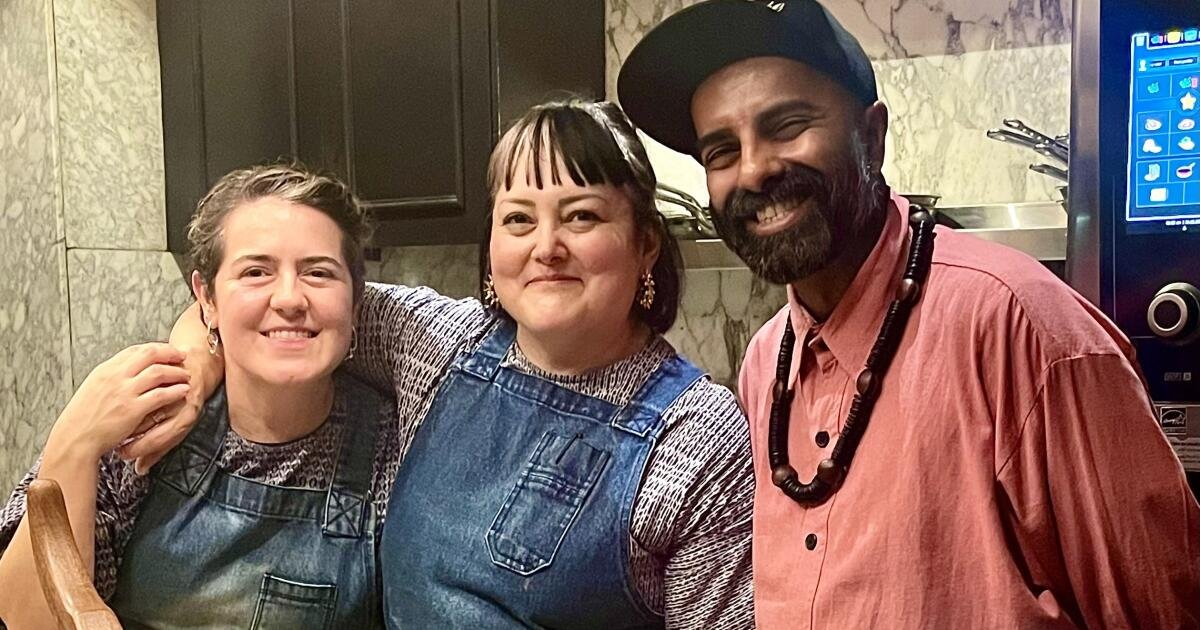
The one-night-only pop-up at Chi Spacca showcased inventive dishes that blurred culinary borders and highlighted historical connections. Chefs Norma Listman and Saqib Keval enveloped diners in a gastronomic journey, beginning with chochoyotes—corn masa dumplings delicately paired with a southern Indian broth enriched by kashmiri chiles from Hidalgo, Mexico. This dish not only showcased their skills but also emphasized the artwork of culinary blending.
The Journey of Flavors: From Mexico to India
Listman, whose roots are in Mexico, and Keval, an Indian American, expertly navigated the vast landscape between other cultures—transforming L.A.’s dining scene through masterful integration of ingredients. Their experimentation metaphorically swung from southern Mexico to East Africa and the cuisines of India, demonstrating their commitment to celebrate diverse culinary histories.
One standout dish from the evening was a cured kanpachi tostada, complemented by a recado negro raita—a mouthwatering fusion representing the deep historical exchanges between Mexican and Indian food traditions. Diners engaged with flavors that resonated with authenticity while paving new pathways in fusion cuisine.
Redefining Fusion in Modern Cuisine
The term “fusion” often evokes mixed reactions, historically viewed as a mish-mash of cultures without a strong foundation. However, Listman and Keval have redefined this concept through the lens of mestizaje, or "mixed heritage," a term reflecting thoughtful cultural melding. They propose a more respectful approach, focusing on technique and authenticity rather than a mere combination of flavors.
In a recent interview, Listman criticized traditional fusion as being focused on capitalistic trends lacking historical context. She emphasized that true fusion should resonate deeply with the cultural and historical signifiers of the ingredients. Keval echoed her sentiments, suggesting that mestizaje captures the rebellious element of their culinary practice, balancing respect and creativity.
The Impact of Cultural Exchange in Dining
Through their meals, patrons experienced not just the taste, but the stories engraved in each dish, infusing the night with a sense of cultural integrity. Dishes like lamb barbacoa, served with a biryani tamal, and an array of accompaniments displayed a meticulous blend of flavors and techniques that both honored and challenged traditional food norms.
The Vibrant Scene at Evil Cooks
In other corners of the culinary world, Evil Cooks, a taquería in El Sereno, continues to push conventional boundaries with its eclectic punk-inspired atmosphere. Critics are eager to explore whether this innovative energy translates to their first brick-and-mortar location. For those keen on discovering unique dining experiences, the restaurant promises an exciting convergence of bold flavors with artistic expression in a lively setting.
Conclusion: The Future of Food in L.A.
Los Angeles stands at the crossroads of culinary exploration, constantly redefining what fusion means. With chefs committed to merging cultures through food, diners have the opportunity to engage with rich traditions while tasting the future of culinary innovation. As the city embraces diverse flavors, the potential for unforgettable dining experiences continues to blossom, truly embodying the spirit of blending diverse heritages into vibrant cuisine.
For further insights into innovative dining experiences, explore the detailed reviews of Evil Cooks and the unique art of Masala y Maíz.
