

The Intersection of Mining and Conservation in West Africa: A Complex Reality
Introduction to West Africa’s Heritage and Biodiversity Challenges
A decade ago, nearly 66% of Africa’s natural world heritage sites, acknowledged for their biodiversity and ecological importance by the United Nations, were targeted for resource extraction such as mining, oil, and gas exploration. The 2022 commitment by 196 countries to the Kunming-Montreal Global Biodiversity Framework—aiming to protect 30% of land and sea by 2030—highlights the urgent need to address biodiversity loss. At first glance, mining and conservation appear to be at odds; mining often involves environmental destruction while conservation seeks preservation.
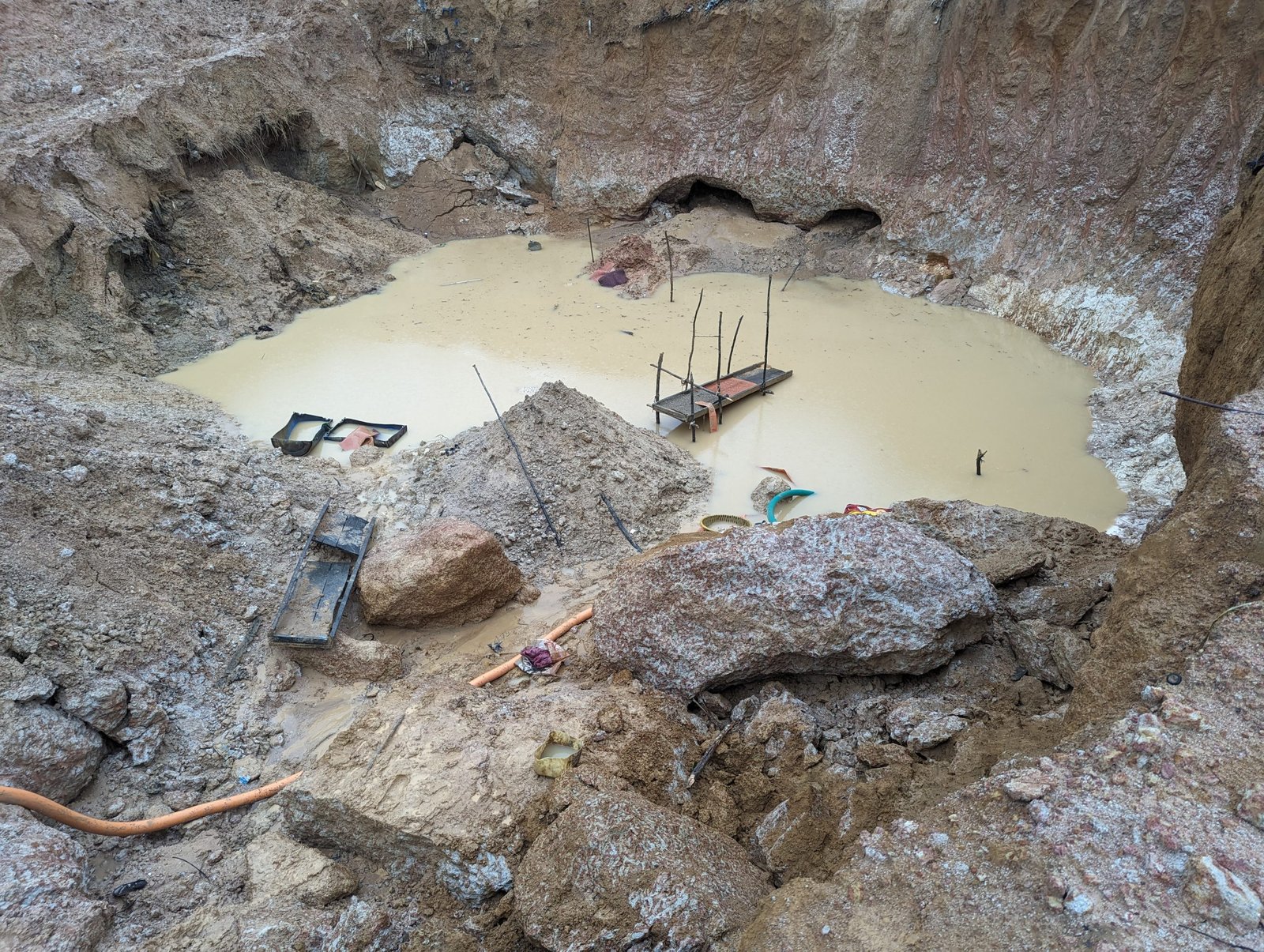
However, emerging trends indicate a troubling synergy between mining and conservation efforts that disproportionately affect local communities. Driven by heightened demand for minerals like gold and bauxite, along with the expansion of protected areas, these industries are creating overlapping resource frontiers in West Africa. Extractive infrastructures are not only exposing remote regions to ecotourism but are also reshaping the narrative to frame exclusion as development and environmental safeguarding.
The Dark Side of Conservation Efforts
Global conservation organizations are rallying behind the ambitious 30×30 goal set forth in the Kunming-Montreal Global Biodiversity Framework. While the initiative aims to combat climate change and ecological destruction, it has a darker side, particularly in Africa where the ratio of protected land sometimes surpasses that of developed nations. Evaluating local engagement reveals that histories of conservation can heavily influence interactions with communities.
In regions like Liberia and Senegal, rural populations are increasingly crossing the established boundaries of national parks. This behavior stems from expanding park borders and the encroachment of both corporate and artisanal mining operations. Such overlapping trends serve as cautionary tales that demand a reevaluation of global biodiversity strategies.
History of Conservation and Its Impact in Liberia
In Liberia, national conservation efforts arrived late compared to other African nations. The first forest law was enacted in 1953, followed by the establishment of Sapo National Park in 1983. This park serves as a critical habitat, covering about 69% of Liberia’s land. The park’s creation reflected a model of fortress conservation, where public access was severely restricted. While the government promised local economic benefits, including compensation and initiatives in agroforestry, the reality was starkly different.
When civil unrest erupted in 1990, many displaced locals sought refuge in Sapo, re-establishing farms and even engaging in artisanal gold mining. Subsequent expansions of the park’s boundaries, aimed at addressing war-related degradation, only deepened feelings of betrayal among local communities. Promised sustainable tourism and development initiatives failed to materialize, leaving residents seeking survival through mining activities.
Mining Encroachment in Senegal’s Protected Areas
In Senegal, a similar narrative unfolds around the Parc National du Niokolo Koba. Following the arrest of geologists from a mining firm in 2010, a crisis emerged over the park’s boundaries. The misalignment between historical markers and GPS data allowed the government to prioritize mining interests over conservation, leading to deep-seated distrust among nearby communities.
Originally established in 1925 as a colonial game reserve, Niokolo Koba underwent numerous expansions and was subject to strict enforcement measures. This history has resulted in a community that, while previously compliant, now feels betrayed by state actions favoring mining companies. Younger generations, whose families were historically displaced, are now leading artisanal mining operations as acts of defiance against perceived administrative exploitation.
Understanding the Consequences of Mining and Conservation Policies
The intersection of mining and conservation efforts presents complex socio-ecological challenges. The Kunming-Montreal Global Biodiversity Framework aims to expand protected areas, yet merely increasing the size of these areas cannot ensure effective biodiversity protection. The contrasting approaches in Liberia—where park boundaries were expanded, restricting local resource access—and Senegal—where the boundaries were effectively shrunk to accommodate industrial mining—demonstrate the urgent need for a more nuanced understanding.
Local populations are often asked to sacrifice their livelihoods for the sake of global conservation goals while being pushed into informal and illegal activities. However, their traditional practices continue to foster biodiversity in spaces like Sapo and Niokolo Koba. The mere expansion and militarization of park borders can lead to further ecological harm by incentivizing citizens to breach these borders, as seen through increasing artisanal mining activities.
A Path Forward: Community-Centered Conservation
To establish effective conservation efforts, it is crucial to shift towards community-centered governance that empowers local populations to manage biodiversity sustainably. Our findings demonstrate that without genuine community engagement, efforts to expand or redesign parks can lead to escalating mistrust, exacerbate ecological degradation, and undermine conservation initiatives.
For the Global Biodiversity Framework to succeed, it must prioritize community engagement and local rights alongside its expansionist goals. The future of conservation lies in harmonious relationships between local communities and biodiversity, rather than in unilateral policies that ignore the realities of those who interact with these ecosystems daily.
Understanding and addressing these multifaceted relationships will be essential for making meaningful progress in conserving West Africa’s rich natural heritage.
