

The Link Between Wastewater Treatment and Antibiotic Resistance in South Africa
Understanding Antibiotic Resistance
Antimicrobial resistance (AMR) is a pressing global health crisis, threatening to claim up to 10 million lives annually by 2050. AMR occurs when microorganisms, like bacteria, evolve to survive treatments that were once effective in treating infections. The implications of this phenomenon extend well beyond individual health, affecting entire ecosystems and public health systems.
Wastewater Treatment Plants: Potential Super Spreaders of Resistance
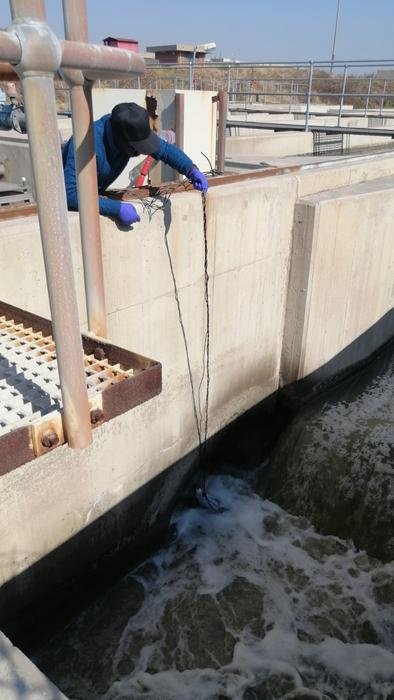
A recent study conducted by scientists at Stellenbosch University in South Africa highlights a concerning relationship between wastewater treatment plants and the propagation of antibiotic resistance into rivers and ecosystems. The Cell Reports publication presents evidence that despite the treatment processes aimed at eliminating harmful bacteria, genetic material responsible for antibiotic resistance often persists.
Key Findings of the Study
The research focused on wastewater treatment plants in the Tshwane area, examining how antibiotic resistance evolves during the treatment process. While these facilities are designed to cleanse and disinfect wastewater—coming from diverse sources such as households, hospitals, factories, and slaughterhouses—they may inadvertently facilitate the spread of resistance.
The Role of Extracellular DNA
According to Dr. John Paul Makumbi, the study’s lead author, even when harmful bacteria are eliminated during treatment, their DNA remains in the treated water. This extracellular DNA can carry antibiotic resistance genes, which may then be shared with other bacteria in the environment, turning rivers into potential hotspots for resistance spread.
The Toxic Mix: How Wastewater Affects Bacteria
The combination of waste from various sources creates a "toxic mix" that exposes bacteria to numerous stress factors. This unique environment fosters rapid evolution and the exchange of resistance traits among microbial communities.
The Importance of Upgrade and Treatment
Although some treatment plants are upgrading with advanced methods like ultraviolet (UV) treatment to mitigate these risks, progress remains slow. To effectively combat the spread of antibiotic resistance, researchers recommend enhanced treatment of high-risk waste—specifically from hospitals and industrial facilities—before it enters the main wastewater systems.
Broader Implications for Public Health
The implications of this research extend beyond water quality; they spotlight a significant public health issue. Professor Thulani Makhlanyane, a senior researcher involved in the study, notes that the intersection of aging infrastructure and limited resources complicates the fight against antimicrobial resistance.
He emphasizes the urgent need to protect water sources as “future wars will, in part, be based on water security and antimicrobial resistance.” This is particularly crucial for regions like Africa where the challenges of managing water resources are heightened.
Strategies for Limiting Antibiotic Resistance
To safeguard public health and environmental integrity, improvements in wastewater treatment systems are essential. Effective strategies may include:
- Enhanced Treatment Protocols: Upgrading facilities to incorporate advanced technologies aimed at complete disinfection.
- Pre-treatment of High-Risk Waste: Implementing pre-treatment protocols for waste from hospitals, factories, and slaughterhouses to reduce contamination.
- Strengthened Regulations: Establishing rigorous regulations for wastewater management to control and monitor antibiotic resistance dissemination.
Conclusion: Moving Forward
As global efforts continue to focus on water reuse and sustainable resource management, understanding the connection between wastewater treatment and antibiotic resistance is vital. Improving wastewater systems, increasing regulatory oversight, and investing in research are crucial steps toward slowing the spread of antimicrobial resistance while protecting both human health and ecosystems.
For further insights, consider exploring additional resources on antimicrobial resistance and global health challenges.
By implementing these strategies, we can foster a healthier future, connecting water safety directly to public health imperatives.
