

Mozambique’s Debt Situation: A Critical Examination
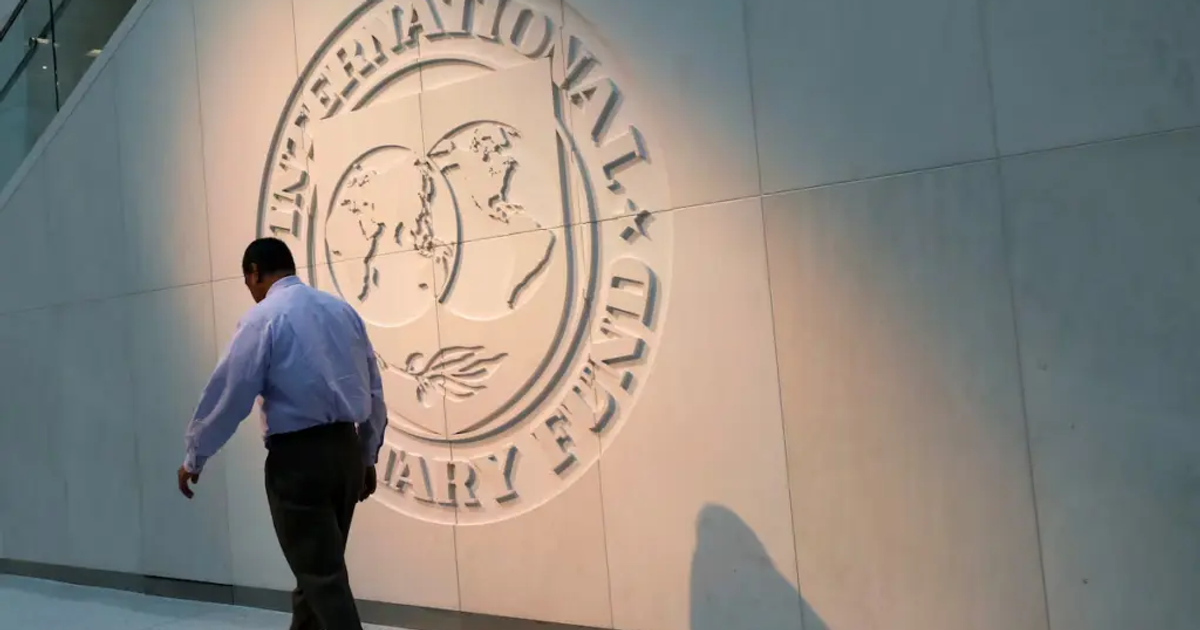
Mozambique has recently made headlines due to developments involving its relationship with the International Monetary Fund (IMF).
Cancellation of IMF Mission
In a significant turn of events, Mozambique has canceled its IMF mission scheduled for August this year. This cancellation arises amidst a lack of official communication regarding the country’s debt repayment, not only from Mozambique but also from the IMF.
Debt Repayment Confirmation
Fáusio Mussá, the chief economist at Standard Bank in Mozambique, confirmed in a research note dated March 27 that Mozambique successfully settled its debt to the IMF. This statement aligns with information received directly from the IMF, raising hopes for the country’s financial stability.
Warnings of Distress from the IMF
Earlier in February, the IMF had sounded alarms regarding Mozambique’s looming debt crisis, labeling the country’s debt as distressing and unsustainable. This warning came as economic concerns began to mount.
World Bank Concerns Over Future Projects
Further complicating Mozambique’s economic landscape, the World Bank issued a warning in March about the risks to $50 billion in gas projects due to the nation’s unsteady economic progression. This cautionary note indicates potential future challenges that could significantly impact Mozambique’s economic viability.
Foreign Exchange Reserves
As of late January, Mozambique’s foreign exchange reserves were estimated at around $4.15 billion, marking one of the highest levels in recent years. However, forecasts from Standard Bank suggest that these reserves may drop to $3.5 billion as the country proceeds to repay its IMF debt amid ongoing debts to other bilateral and multilateral creditors.
Other African Nations’ Debt Clearance Successes
Highlights from Africa
Several African countries have recently made strides in reducing or clearing their IMF debts. Notably:
-
Nigeria: In May 2025, Nigeria paid off a $3.4 billion emergency loan sourced through the IMF’s Rapid Financing Instrument, accessed during the COVID-19 pandemic.
- Namibia: In the same year, Namibia announced a commitment to pay off $750 million of its debt in a single day, showcasing a strong approach to fiscal responsibility.
Global Context of Debt
According to the IMF data portal, there are 45 African nations listed with some form of outstanding debt. Notably absent from this list are countries such as Nigeria, Libya, Botswana, Algeria, Mauritius, South Africa, Zimbabwe, and Eswatini, highlighting a varied landscape of debt management across the continent.
This evolving situation in Mozambique serves as a crucial reminder of the complexities surrounding national debt and its implications for economic growth in Africa.
For further reading on related subjects, click here for more information on Mozambique’s economic policies.
Conclusion
With Mozambique navigating through intricate financial waters, the role of global lenders such as the IMF and World Bank becomes pivotal. The country’s future will rely heavily on how it manages its debts and utilizes its resources, especially in light of the warnings from international financial institutions and the challenges posed by ongoing economic conditions.
This article not only summarizes critical information regarding Mozambique’s current fiscal challenges but also places them within a broader African context, encouraging readers to consider the wider implications of debt management and economic strategy.
