New Dinosaur Discovery Sheds Light on Ancient Continental Connections
A recent discovery in northeastern Brazil has unveiled fossil remains of a previously unknown dinosaur species, which is redefining our understanding of prehistoric animal migration across continents now divided by vast oceans. This giant, long-necked dinosaur existed approximately 120 million years ago during the Early Cretaceous period, indicating significant biological connections between continents.
Introducing Dasosaurus tocantinensis
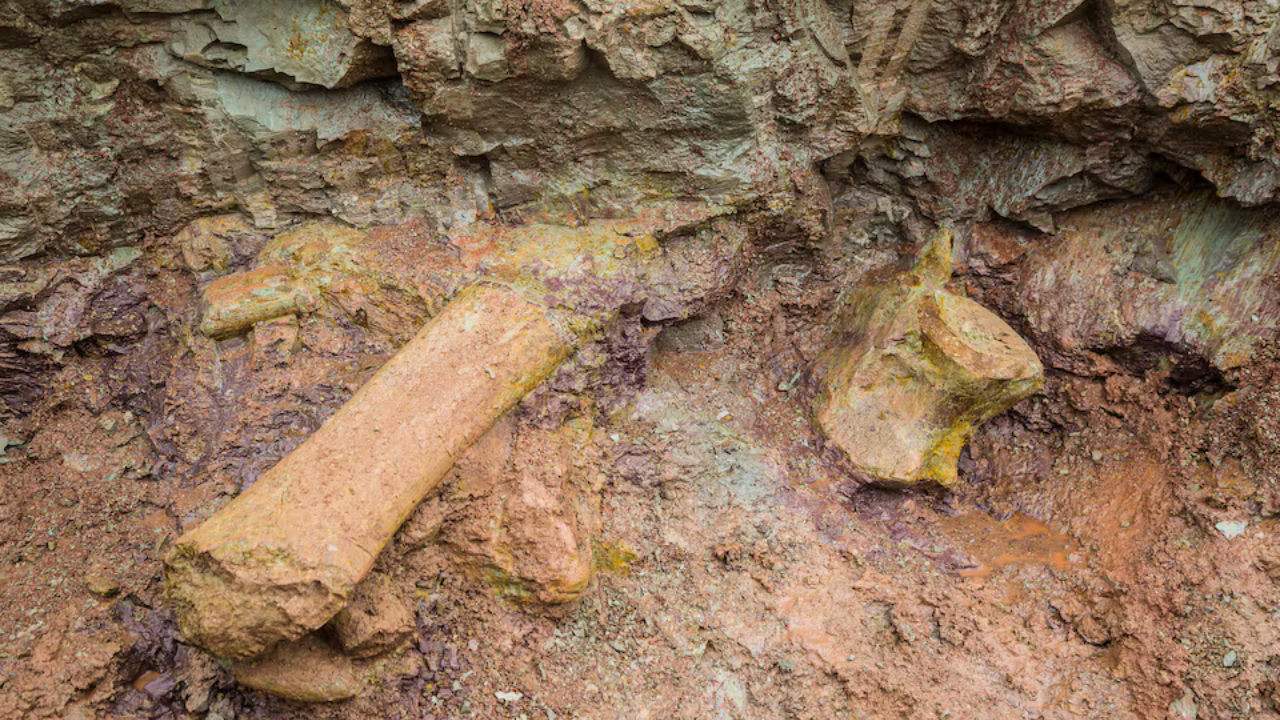
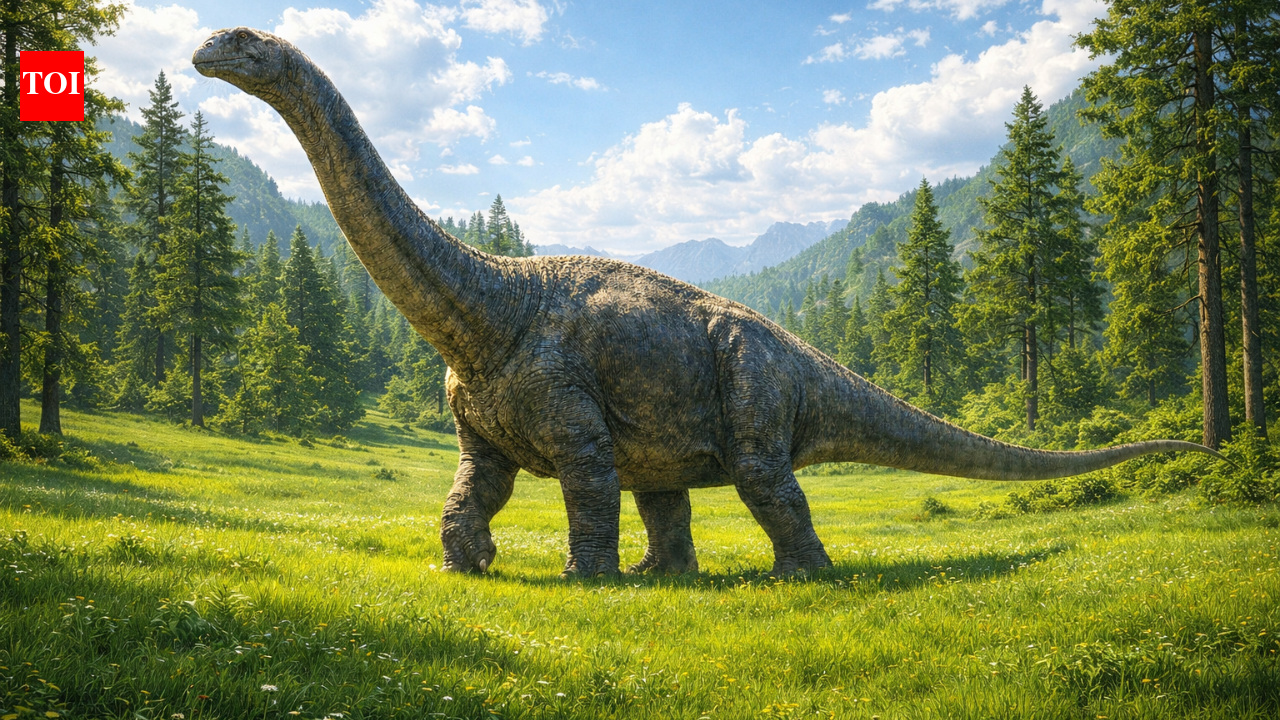
The newly identified species, named Dasosaurus tocantinensis, emerged from fossil findings near the Tocantins River basin in Maranhão. This massive, herbivorous dinosaur is part of the sauropod group, characterized by their long necks and enormous size. Estimates suggest that Dasosaurus tocantinensis grew up to 20 meters in length, marking it as one of the largest specimens identified in the region. A notable discovery at the site included a 1.5-meter-long femur, which provided vital measurements to reconstruct the dinosaur’s size and structure.
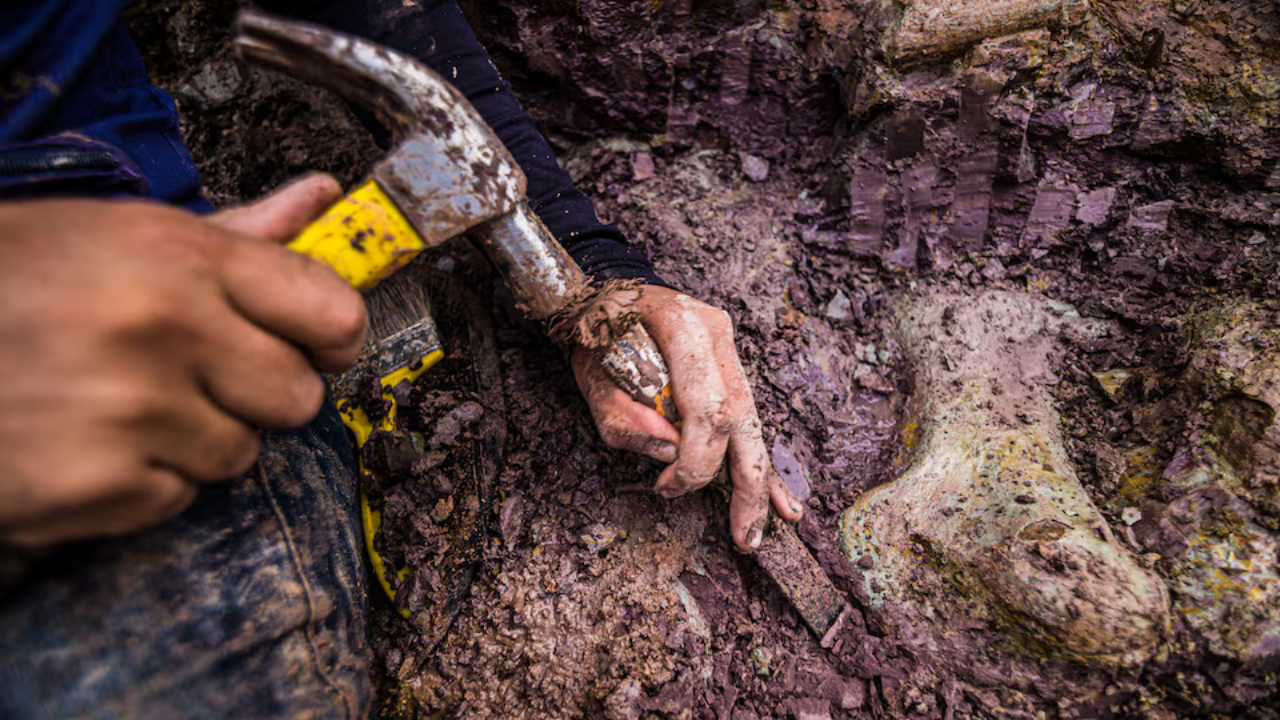
The fossils were unearthed during construction efforts near the town of Davinópolis, where large bones caught the attention of workers. Palaeontologists were then enlisted to study these remarkable finds, confirming them as part of an entirely new species.
Remarkable European Linkage
Perhaps the most astonishing aspect of the discovery is the connection it reveals to a dinosaur species found in Spain, known as Garumbatitan morellensis. Upon examination, researchers noted striking skeletal similarities, particularly in the vertebrae and thigh bones of both dinosaurs. This level of anatomical correlation suggests a shared evolutionary lineage among these titanosauriform sauropods.
Palaeontologists believe that such close ties between dinosaurs on separate continents would only be plausible if ancient land routes existed, allowing for migration and interconnection. Current hypotheses posit that this lineage may have originated in Europe, spreading through North Africa before reaching South America.
The Geographical Landscape 120 Million Years Ago
Understanding these migrations requires a glimpse at Earth’s ancient geography during the Early Cretaceous. Approximately 120 to 130 million years ago, continents were still breaking apart from earlier supercontinents, resulting in the following geographical nuances:
- South America and Africa were still partially connected.
- North Africa maintained links with southern Europe.
- The Atlantic Ocean had just begun forming.
These geological conditions likely created terrestrial corridors that enabled large herbivores, such as sauropods, to migrate between continents over generations. As tectonic plates shifted and the Atlantic Ocean widened, these land bridges eventually vanished, isolating dinosaur populations and shaping unique ecosystems on each continent.
Unique Traits of Dasosaurus tocantinensis
The significance of this discovery is further underscored by the unique anatomical features observed in Dasosaurus tocantinensis. Among its distinct characteristics were unusual structures in the tail vertebrae, including elongated ridges and grooves that are not seen in other known dinosaurs. Additionally, the thigh bone exhibited a distinctive lateral bulge, reinforcing its classification as a new species.
This dinosaur falls under the Somphospondyli subgroup of titanosauriform sauropods, which later evolved into the massive titanosaurs of the Late Cretaceous. The name Dasosaurus tocantinensis reflects its discovery site, adding a layer of geographical significance to this fossil find.
Implications for Ancient Ecosystems
Beyond the identification of a new species, this finding holds profound implications for our understanding of ancient ecosystems and how continents evolved. It offers compelling evidence that dinosaurs could traverse land before the Atlantic fully separated Africa and South America. Fossils like these act as biological markers, helping scientists paint a clearer picture of ancient migration patterns.
Furthermore, the discovery bolsters the notion that northern South America was home to a wide variety of large herbivorous dinosaurs during the Early Cretaceous. This knowledge enhances our comprehension of how geological changes influenced biodiversity during one of Earth’s most dynamic geological epochs.
As palaeontologists continue their work in Brazil and beyond, discoveries like Dasosaurus tocantinensis are uncovering the mysteries of how dinosaurs once roamed across landscapes that are now separated by vast oceans.