

Africa’s Strategic Importance Amidst Global Energy Crisis Post-Iran War
The eruption of the Iran War on February 28, 2026, ignited by coordinated strikes from the United States and Israel, has brought profound ramifications for global energy markets and geopolitical alliances. What started as a localized conflict has transformed into a worldwide crisis, disrupting oil supplies, destabilizing trade routes, and prompting major powers to reevaluate their strategic priorities.
The Global Energy Disruption
Central to the conflict has been the significant disruption of energy flows across the globe. The conflict has critically impacted the Strait of Hormuz, one of the world’s most vital transit points for oil and gas. Analysts are referring to this situation as the largest energy supply disruption in modern history, leading to a surge in global oil prices.
Africa: The New Energy Frontier
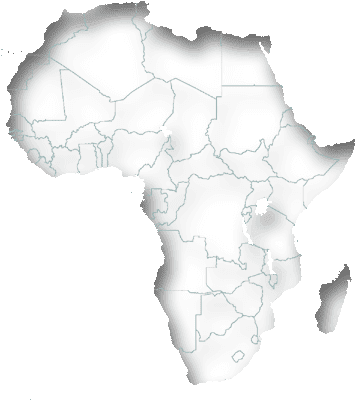
As traditional energy sources face upheaval, Africa has emerged as a pivotal player. The continent, rich in oil, gas, and renewable resources, offers alternatives for countries that once relied predominantly on Middle Eastern energy. With global energy shipments curtailed, major economies are shifting their focus toward Africa, viewing it as a reservoir of growth and opportunity.
United States’ Renewed Interest in Africa
For the United States, Africa is increasingly seen as both an energy alternative and a strategic geopolitical opportunity. The ongoing war strains U.S. military and economic resources, prompting Washington to forge stronger ties with African nations such as Nigeria, Angola, and Ghana. This pivot not only diversifies energy imports but also helps to counterbalance the influence of rival powers across the continent.
China’s Expanding Footprint in Africa
China is also intensifying its presence in Africa, driven by the urgent need for stable energy supplies. As historical dependencies on Middle Eastern oil come under scrutiny due to the war, China is ramping up investments in African infrastructure, mining, and energy sectors. This strategy aims to secure long-term access to crucial resources and bolster its economic influence across the region.
Europe’s Strategic Shift Toward Africa
Similarly, the European Union is reassessing its approach to Africa as part of broader objectives to reduce reliance on Russian energy. The fallout from the Iran War has added urgency to these efforts, while Africa emerges as a viable alternative for both fossil fuels and renewable energy partnerships. As a result, the EU is channeling investments into energy infrastructure and green transition projects, enhancing its economic ties with African nations.
Russia’s Evolving Role in Africa
In the midst of this geopolitical turmoil, Russia is seeking to assert its influence in Africa through enhanced security cooperation and energy deals. While it remains a major energy exporter, Moscow aims to maintain its global market relevance by strengthening relationships with African governments. The current situation has led to an environment wherein African nations are more receptive to varied partnerships, offering Russia opportunities in sectors like mining, defense, and nuclear energy.
Africa’s Economic Potential and Challenges
Africa’s burgeoning population, expanding markets, and rich natural resources render it a crucial actor in the global economy. As traditional supply chains are disrupted, the continent is increasingly seen not merely as a source of raw materials but also as a manufacturing hub and a new nexus for trade routes. However, this heightened interest poses challenges, including concerns over debt sustainability, political sovereignty, and fair resource distribution. African leaders must navigate these dynamics prudently to ensure that global investments translate into meaningful benefits for their people.
Conclusion: A New Era in International Relations
The U.S.-Israeli conflict with Iran has redefined global geopolitics, elevating Africa’s stature as an energy hub and economic frontier. As stability in traditional energy routes falters, nations including the United States, China, the European Union, and Russia are increasingly turning to Africa for sustainable energy solutions. This paradigm shift marks a significant chapter in international relations, positioning Africa at the forefront of global strategy.
