

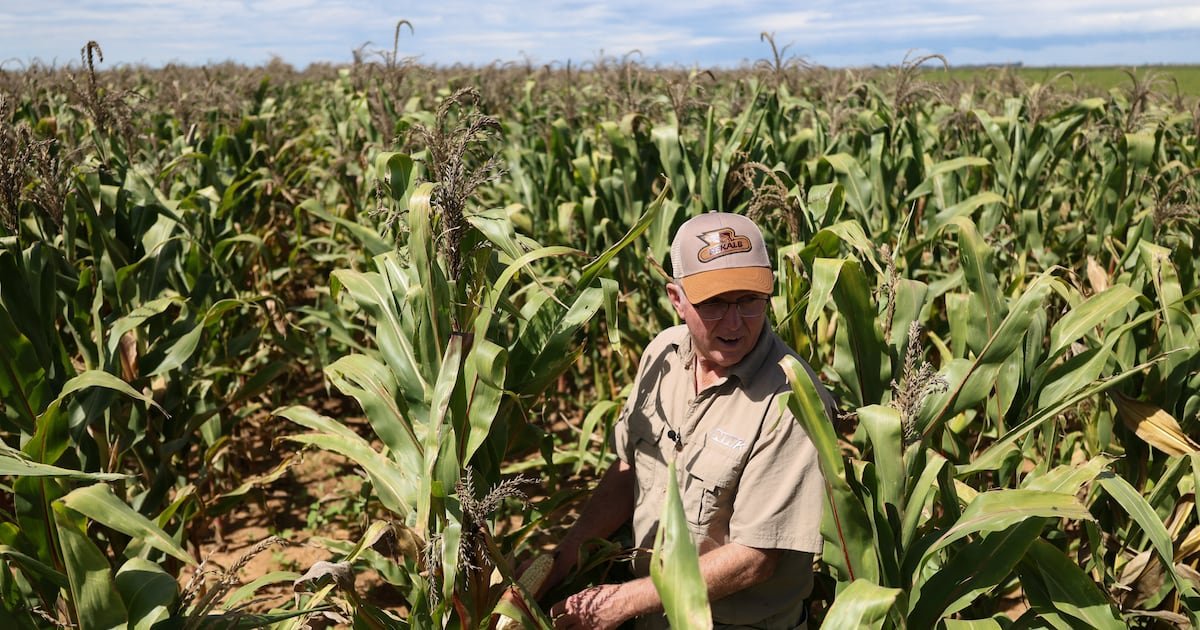
Africa’s Food Security Under Threat Amid Middle East Conflict
Africa’s food security is facing significant challenges, largely due to rising oil prices and disrupted trade routes stemming from the ongoing conflict in the Middle East. A recent report highlights severe implications for the continent’s economic stability and food supply, particularly affecting vulnerable households.
Impact of the Conflict on Africa’s Economy
According to an analysis co-authored by the African Development Bank, African Union Commission, UN Economic Commission for Africa, and UN Development Programme, Africa’s gross domestic product (GDP) could decline by 0.2 percentage points if the current conflict between US-Israeli forces and Iran persists beyond six months. This reduction is especially alarming as many African nations are already grappling with growth rates below pre-COVID levels.
Rising Food Prices and Consumer Pressure
The report emphasizes that soaring food prices are exacerbating the challenges faced by families across Africa, where many are still recovering economically. It warns that the conflict has instigated a trade shock that could rapidly escalate into a cost-of-living crisis, impacting food availability. Several factors contribute to this crisis, including increased fuel prices, elevated shipping and insurance costs, and strained exchange rates.
Import Dependency and Economic Resilience
The report indicates that the Middle East constitutes approximately 16% of Africa’s imports and 10.9% of its exports. The Strait of Hormuz, a crucial maritime passage, typically handles a significant portion of global oil exports, and disruptions here can have widespread consequences.
"The extent of this impact would vary across the continent based on levels of import dependency and exposure to the Middle East," the report notes.
Should the conflict escalate, the repercussions for Africa could include significant economic slowdowns and increased food insecurity.
Recommendations for Immediate Action
As the situation evolves, experts urge African governments to consider short-term strategies to mitigate the crisis. Suggested actions include:
- Activating contingency import financing arrangements
- Implementing targeted social-protection measures
- Encouraging oil and gas-exporting nations to save excess revenue
- Instituting flexible monetary and exchange-rate policies
Long-term strategies are equally important, focusing on:
- Strengthening fiscal security
- Developing financial safety nets
- Formulating continental strategies for fuel and fertilizer security
- Creating an Africa-wide pact on crisis resiliency
The Broader Picture: Climate Change and Instability
Food security in Africa is crucial, particularly for its population of over 1.57 billion, many of whom rely on agriculture for their livelihoods. However, ongoing challenges such as climate change, political instability, and rapidly growing populations further complicate the scenario.
The UN Food and Agriculture Organisation recently reported rising global food prices, which have increased for two consecutive months due to energy price hikes linked to the conflict. Experts warn that if the situation continues, the repercussions will be felt even more acutely across Africa.
"Africa has been hit by too many external shocks not of its making," stated Claver Gatete, underscoring the need for decisive action for both immediate relief and long-term solutions.
Conclusion: A Call for Resilience and Action
To weather these challenges, both immediate and long-term measures are essential. With the right mix of policy choices, financing tools, and political will, Africa has the potential to not only confront this crisis but emerge stronger and more self-reliant.
"With appropriate strategies in place, Africa can better position itself to shape its own economic future," said Ahunna Eziakonwa from the UNDP.
In conclusion, Africa stands at a critical juncture in its fight for food security, requiring collective action to safeguard its agricultural future.
Learn more about food security challenges in Africa and stay updated on the global economic impacts by checking reliable news sources.
