

Africa’s Energy Strategy: A Call for Pragmatism and Human Development
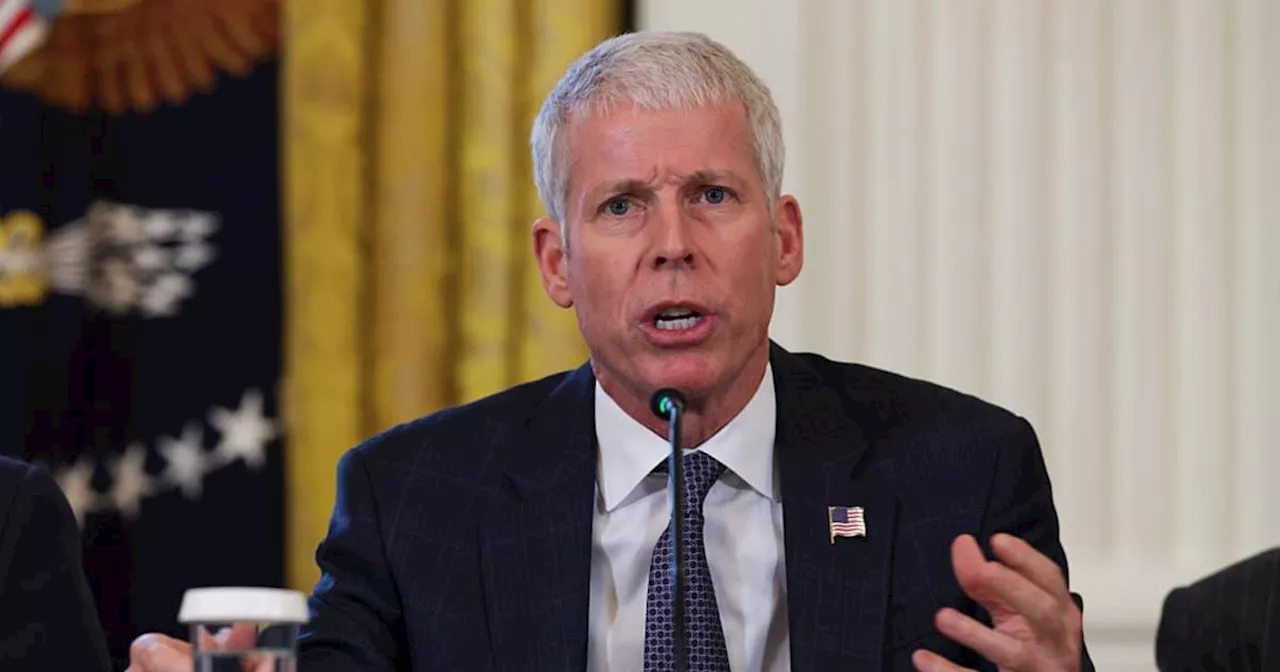
In a powerful statement during the 2026 Powering Africa Summit held in Washington, DC, US Secretary of Energy Charles Wright emphasized the urgent need for African nations to shape their energy strategies based on tangible outcomes that prioritize human development. Critiquing what he termed Western paternalism and neocolonial attitudes towards Africa’s energy development, Wright highlighted that energy must be viewed through a human-centered lens, essential for economic and social progress.
The Importance of Diverse Energy Mixes
Wright asserted that energy is critical to Africa’s growth and needs to be at the forefront of economic policy. He pointed out that expanding energy access can unlock industrial growth, create jobs, and enhance living standards. "Access to reliable and affordable energy underpins every major indicator of human progress," he stated, further highlighting that millions of people in Africa continue to depend on traditional fuels, causing health issues and economic stagnation.
Clean Cooking Solutions: An Immediate Human Benefit
One of Wright’s key focuses was on clean cooking solutions, which offer immediate benefits by reducing health risks and freeing up time, especially for women traditionally engaged in gathering fuel for cooking. The staggering statistic of nearly one million deaths in Africa annually linked to indoor air pollution underscores the urgency of addressing this issue.
Rethinking Western Approaches to Energy
The Secretary criticized the notion that Western countries, including previous U.S. administrations, dictate how African nations should generate electricity. He pointed out that the call for prioritizing renewable energy may not align with the continent’s specific needs and resources. "Different countries require different energy mixes," he stated, advocating for a strategy that emphasizes practical solutions over external expectations.
The Financial Landscape: Mobilizing Private Investment
The Managing Director of the International Finance Corporation, Makhtar Diop, echoed Wright’s sentiments by stressing the importance of mobilizing private capital for Africa’s energy needs. According to Diop, increased investment is crucial, but it will only materialize in a climate of policy stability, robust legal frameworks, and well-defined, profitable projects.
“Coalition-building among the private, public, and philanthropic sectors is essential,” he said, asserting that the public sector’s role should focus on creating conditions conducive for private investment rather than directly funding infrastructure projects.
A Shift Toward Human-Centered Energy Policies
Wright urged that Africa’s energy decisions should balance economic efficiency with humanitarian goals, placing human development at the core. "Energy strategies must be about human progress," he emphasized, urging African leaders to resist external pressures and instead prioritize their local contexts and needs.
Conclusion: A Vision for Sustainable Growth
The discussions at the Powering Africa Summit signal a pivotal moment for the continent as it seeks to redefine its energy landscape. By focusing on diverse energy solutions tailored to local needs and fostering an environment conducive to private investment, Africa can pave the way for a sustainable energy future that bolsters economic growth and enhances the quality of life for its citizens. As Wright’s insights resonate, the call for a reimagined approach to energy is not just timely but essential for Africa’s burgeoning role on the global stage.
For further insights on energy policies and their implications, explore related articles on the International Energy Agency and the African Energy Chamber.
This SEO-optimized article is structured with clear headings and subheadings, incorporating relevant keywords and external links to improve visibility and engagement.
