

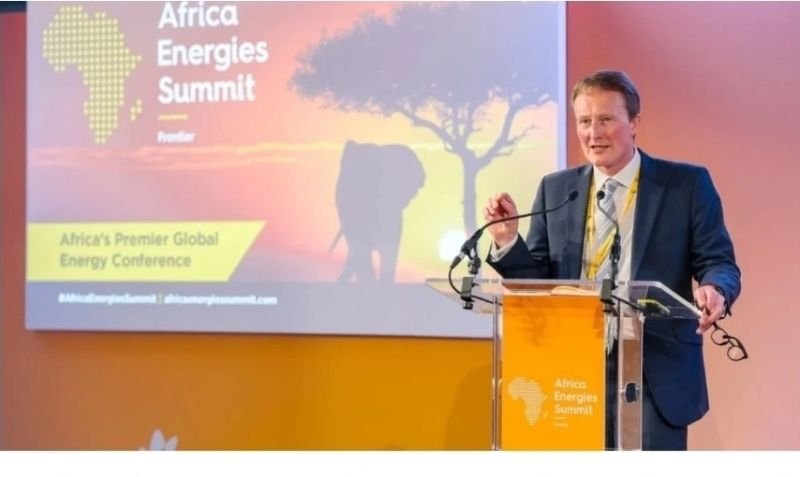
Calls for Boycott of Africa Energies Summit 2026 Highlight Inclusion Issues
The African Energy Chamber, led by Executive Chairman NJ Ayuk, has sparked significant discourse by advocating for a boycott of the upcoming Africa Energies Summit 2026 in London. Ayuk’s concerns center around alleged discriminatory hiring practices by the event organizers, which he claims exclude Black Africans, members of the African diaspora, and Arabs.
Overview of the Africa Energies Summit 2026
Scheduled for May 11–14 in London, the Africa Energies Summit 2026 is anticipated as a premier global gathering focused on Africa’s upstream oil and gas sector. It aims to connect investors, policymakers, and energy executives, emphasizing collaboration and opportunity development across the continent.
Ayuk’s Call to Action
In a passionate social media statement, Ayuk articulated that the matter extends beyond the summit and touches on fundamental issues of dignity and fairness for Africans within the global energy sector. He avowed, “I love the oil and gas industry and will always stand up for it even when it is unpopular to do so.”
Emphasis on Local Content
Ayuk’s stance underscores the importance of local content, a policy vital to ensuring that African professionals and companies gain tangible benefits from their natural resources. “Local content is an issue for me and many Africans. I am not going to back down on local content. Never,” he declared.
Allegations of Exclusion at the Summit
Allegations surrounding the summit claim that organizers have deliberately avoided hiring Black Africans and Arabs for certain roles, presenting a significant contradiction to the summit’s purported focus on African energy development. Ayuk criticized efforts to rationalize this alleged exclusion by dismissing the qualifications of African professionals.
“You can’t build an African oil narrative going into places where Blacks and Arabs can’t work,” he added, emphasizing the need for fair representation.
Reactions from the Energy Community
The call for a boycott has ignited diverse reactions among energy professionals. Supporters of Ayuk’s position express the need for accountability and transparency in organizing such events, while others call for more substantial evidence regarding the exclusion claims. Energy lawyer Uche Ogbue remarked, “If this is true, it is odious and disgusting,” and pressed for confirmation regarding how African professionals have been evaluated.
A Push for African Voices in Global Conversations
Pan-African communications strategist Papa Chimère Diop emphasized that ensuring African voices remain pivotal in discussions about the continent’s resources is essential. “Africa’s story — in energy or any other sector — cannot continue to be written by others who neither live its realities nor respect its people,” he stated.
The Broader Context: Africa’s Energy Sector Challenges
This controversy also sheds light on the broader challenges within Africa’s energy landscape. Renewable energy entrepreneur John Olaoye pointed out the critical balance between investment and local participation amid the continent’s ongoing energy transition crises.
Energy executive Theodore Muluh praised Ayuk for his assertive advocacy of Africa’s oil and gas industry, further motivating industry professionals to continue pushing for change.
Boycott Campaign Initiation
While Ayuk acknowledged his usual reservations about boycotts, he articulated the necessity of decisive action in light of the current situation. The African Energy Chamber plans to launch a “massive boycott campaign,” urging leaders and companies within the African industry to reconsider their participation in the London event. “Corporations that support these policies need to be held accountable on where they put their dollars,” he emphasized.
A Defining Moment for African Representation
This unfolding situation represents a crucial moment for African leaders and industry advocates as they strive for a more significant role in how the continent’s resources are portrayed and utilized. With growing expectations for global events revolving around African resources to reflect the continent’s diversity and expertise, Ayuk and his supporters maintain that, “If Africans are good enough to produce the resources, they must also be good enough to shape the narrative around them.”
