

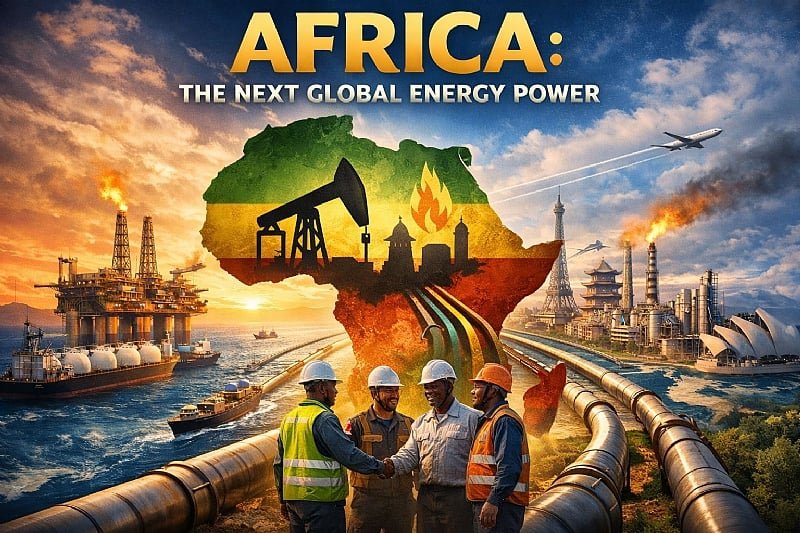
Africa’s Opportunity to Become the World’s Energy Hub
Introduction
In light of increasing instability in vital maritime routes such as the Persian Gulf and the Red Sea, the global community is recognizing the risks associated with depending on narrow chokepoints and conflict-prone areas for energy supplies. Disruptions like the blocking of straits, targeted attacks on ships, and geopolitical tensions have transformed oil and gas into strategic assets that can be wielded as weapons. This evolving landscape presents a unique opportunity for Africa to emerge as a stable energy alternative for the world.
Africa’s Energy Potential
Africa is not only abundant in resources but also has the potential to become the epicenter of global energy supply. Nations like Nigeria, Angola, Libya, Algeria, Egypt, Mozambique, Senegal, Ghana, and Tanzania are home to some of the largest oil and gas reserves worldwide. If these countries coordinate effectively, they could supply a significant portion of the energy needs for Europe, Asia, and beyond.
Challenges to Overcome
The primary hurdle for Africa lies in the lack of coordination, trust, and shared infrastructure among its nations. The international community seeks not only oil and gas but also stability, reliability, secure shipping routes, and substantial infrastructure investment. For Africa to become a major player in the global energy sector, it must present a unified front committed to providing a consistent supply over decades.
Strategic Steps for Africa
For Africa to fully realize its potential as a global energy supplier, several strategic actions must be undertaken:
Establish an African Energy Alliance
Creating a collaborative organization comprising African oil and gas-producing countries can facilitate the coordination of production, pricing, investments, and infrastructure development. This concept would be akin to OPEC but would also encompass gas-producing countries, creating a more inclusive energy alliance.
Build New Transportation Infrastructure
Investing in robust transportation infrastructure is crucial. This includes constructing oil and gas pipelines from North Africa to Europe, developing LNG facilities in West and East Africa, and establishing new ports and export terminals that ensure continuous supply, even amid crises in key regions like the Red Sea or the Persian Gulf.
Establish an African Energy Investment Fund
A joint investment fund anchored by the US, Europe, Gulf nations, and China could finance essential infrastructure projects, including refineries, LNG facilities, power plants, and logistics systems. This funding will enable African countries to bolster their energy production capabilities.
Negotiate Long-Term Supply Agreements
Africa should enter into 20-30 year supply contracts with countries such as Europe, India, China, and Japan. This strategic move would position Africa as a dependable, long-term energy supplier rather than an intermittent provider.
Secure Maritime Routes
Naval cooperation among African nations is vital for protecting shipping routes in both the Atlantic and Indian Oceans. This collaboration is essential for ensuring a continuous supply of energy resources to global markets.
Conclusion
If African nations unite, the continent could become the largest energy hub in the world within 10 to 15 years. The global demand for a stable alternative to the Middle East underscores Africa’s potential role in the energy sector.
The pressing question lies not in the availability of resources but in whether African leaders can unite, foster cooperation, and build trust among nations, ultimately transforming the continent into a global energy powerhouse. The future of the global energy landscape may well be paved through Africa, but this transformation requires collective thinking and action, moving beyond individual national ambitions toward a unified approach.
For further reading, explore the potential of energy investments in Africa and the significance of global energy alliances.
