

Africa for Change: A Catalyst for Sustainable Transformation at ChangeNOW Summit 2026
On March 31, 2026, Paris hosted a pivotal event at the international ChangeNOW Summit 2026: the launch of the “Africa for Change” program. This initiative marked a significant acknowledgment of Africa’s crucial role in global transitions, striving to expedite both environmental and social transformations through impactful, scalable solutions.
ChangeNOW: Leading the Charge for Global Impact
Founded in 2017, ChangeNOW has emerged as a vital entity within the global impact ecosystem. Its mission focuses on fostering the development of solutions that address some of the most pressing challenges of our time, aligning with the Sustainable Development Goals set by the United Nations in 2015. Each year, ChangeNOW gathers thousands of decision-makers, entrepreneurs, investors, NGOs, and public institutions to form synergies and promote the adoption of sustainable practices.
A Strategic Platform for African Initiatives
Africa for Change serves as an important platform dedicated to high-impact African initiatives. The primary goal is to identify local solutions capable of tackling global challenges, while facilitating their scale-up through partnerships with financial and institutional stakeholders.
According to the initiative’s organizers, it aims to “position Africa not only as a land of opportunity, but as a global leader in sustainable transformation.” This vision reveals a significant truth: Africa has considerable untapped potential, driven by its demographic strength of over 1.4 billion people (as per UN data), abundant natural resources, and rapidly evolving innovation ecosystems.
Highlights of the “Africa for Change” Program
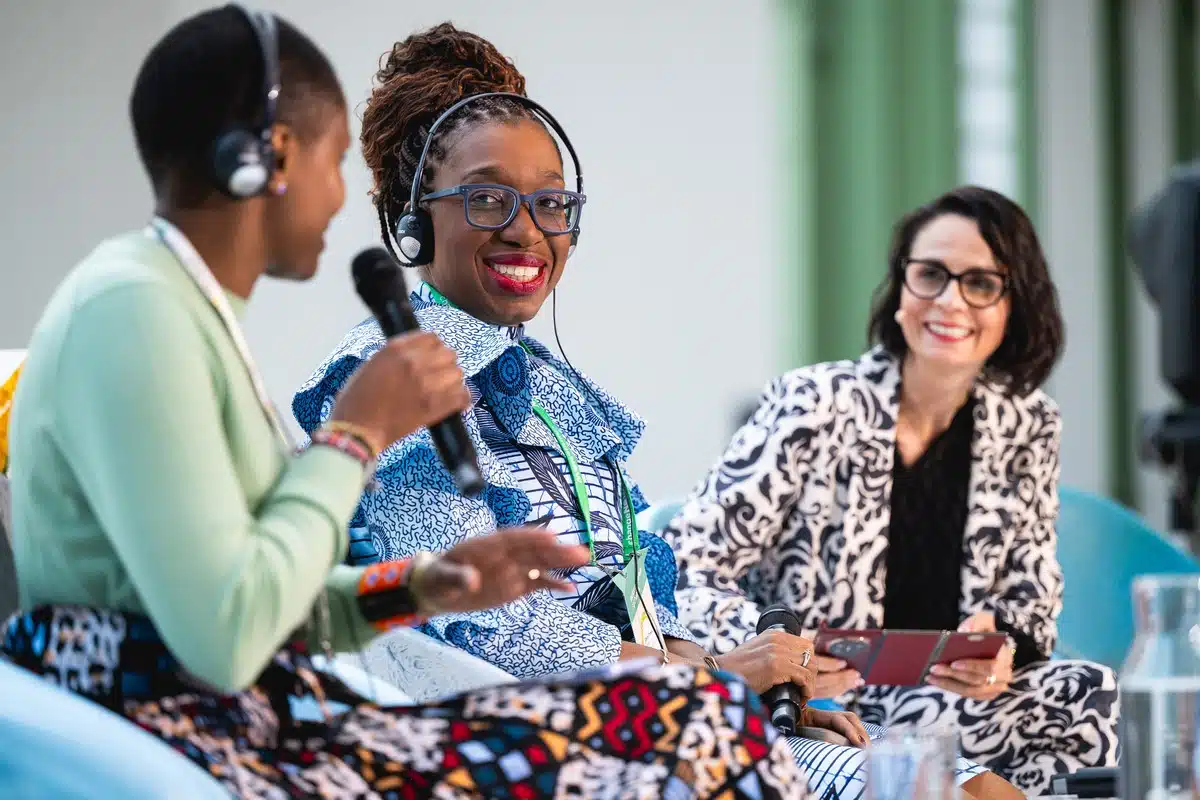
The program on March 31 exemplified this momentum with noteworthy features. A keynote conference brought together experts and innovators to converse on topics such as resilience, innovation, and systemic transformation. Thematic sessions tackled essential issues like climate-smart agriculture, championed by African Women Presence, and the financing challenges faced by Africa’s quickly urbanizing cities—a critical concern as the continent’s urban population is projected to double by 2050, per UN predictions.
“Position Africa not only as a land of opportunity, but as a global leader in sustainable transformation.”
A dedicated pitch session highlighted African-led solutions, enhancing the visibility of innovative projects across strategic sectors like energy, resource management, and economic inclusion. This increased exposure responds to a pressing concern: despite rising global impact investments, Africa captures a mere 5% of worldwide investment flows, according to various international development organizations.
Driving Impact Through Results
ChangeNOW distinguishes itself through a focus on tangible results. The organization proudly showcases measurable outcomes from past engagements: over 20 million views for featured solutions, multi-million-euro fundraising success, and institutional partnerships leading to regulatory milestones, such as the incorporation of microplastic filters into French legislation.
Addressing Key Development Barriers
“Africa for Change” aligns with a results-driven philosophy aimed at eliminating major barriers to development, including access to financing, project structuring, and integration into international value chains.
The initiative emerges at a critical juncture where challenges abound, but opportunities remain significant. According to the World Bank, Africa must generate nearly 20 million jobs annually by 2030 to accommodate its burgeoning workforce. At the same time, the continent faces considerable risks from climate change but also possesses immense potential for sustainable solutions, especially in renewable energy.
The Africa for Change program stands as a beacon of hope, embodying a visionary approach that can pivot Africa toward a future rich in sustainable development and global leadership. By facilitating connections and leveraging local ingenuity, this initiative has the potential to redefine Africa’s role on the world stage, ultimately contributing to a sustainable and inclusive transformation for future generations.
