

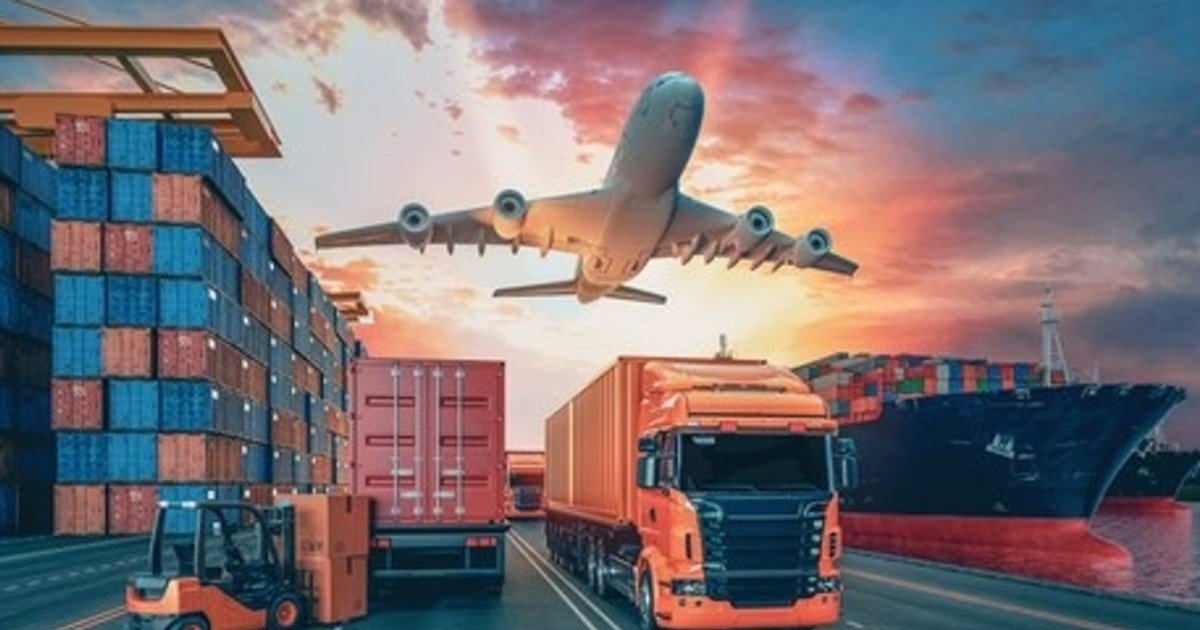
Maersk’s Strategic Shift: Rerouting Around the Cape of Good Hope
Denmark’s shipping behemoth, Maersk, announced on Friday its decision to temporarily reroute certain sailings around the Cape of Good Hope, steering clear of the Suez Canal. This decision comes in light of what the company has described as “unforeseen constraints” within the Red Sea region.
Setbacks in Global Shipping Routes
Just a month ago, Maersk, the world’s second-largest container carrier, had begun to gradually reinstate its Suez Canal routes. These routes are deemed significant for alleviating two years of supply chain disruptions primarily caused by attacks on vessels by Yemen’s Houthi rebels.
In a statement, Maersk mentioned, “After conversations with our security partners, it is clear that these constraints are making it challenging to avoid delays in regard to passage through the area.” While the company did not provide further details, the implications for global shipping are significant.
Air Travel Turmoil in the Middle East
This rerouting by Maersk coincides with severe disruptions in air travel across the Middle East, fueled by ongoing military operations by the U.S. and Israel against Iran, along with subsequent retaliatory actions in the region.
Major Flight Disruptions
Reports from FlightRadar24 highlighted that flights over the UAE were completely suspended following an announcement regarding a “temporary and partial closure” of their airspace. Airports in key cities like Dubai and Abu Dhabi experienced significant operational halts, leading to thousands of flight cancellations by major airlines, including British Airways and Virgin Atlantic.
As of early March 2026, it has been confirmed by various news outlets that extensive airspace closures have been enacted across the Middle East, resulting in Gulf carriers halting operations at pivotal hubs. Airlines globally are now altering their flight paths to circumvent conflict zones, thus affecting essential connections between Europe, Asia, and the U.S.
Alternative Routes and Challenges
These developments have forced numerous airlines such as Lufthansa and Air India to evaluate alternative routes while ensuring they avoid restricted airspace over Iran, Iraq, and other affected regions.
While reports primarily emphasize cancellations, the Associated Press notes that flight diversions are widespread, compelling airlines to navigate around no-fly zones across Europe, Asia, and Africa. Aviation analytics indicate that airlines are increasingly employing longer southern corridors, utilizing routes through Oman, Saudi Arabia, and Egypt to maintain essential global market connections.
Additionally, Dubai International, recognized as the world’s busiest airport for international traffic, has felt the impact of these disruptions alongside numerous countries such as Iran, Israel, Qatar, and Iraq, which have implemented airspace restrictions.
Africa’s Strategic Importance in Global Trade
As Maersk and airlines adapt to these geopolitical challenges, African ports and aviation hubs find themselves at a crossroads of opportunity and pressure. The diversion of shipping routes could enhance port revenues and increase refueling demand; however, it also places immense pressure on existing infrastructure to handle the influx.
With geopolitical tensions on the rise, the global logistics framework seems increasingly vulnerable to the impact of conflict. Africa is emerging as a vital detour in this fractured trade landscape, underscoring its strategic importance in the current global economy.
Conclusion
As the situation in the Middle East continues to evolve, global shipping and air travel remain significantly affected. Maersk’s decision to reroute its vessels reflects broader trends in logistics as airlines and shipping companies seek to navigate the complexity introduced by international conflicts. The future of trade routes depends heavily on the stability of geopolitical dynamics, with Africa poised to play a crucial role in the meantime.
