

South Africa’s Land Reform Initiatives: Progress, Challenges, and Future Directions
Land Reform and Rural Development Minister Mzwanele Nyhontso has recognized that while South Africa has made significant strides in land reform since the end of apartheid in 1994, the pace of progress has not met expectations.
ICARRD+20: A Global Platform for Agrarian Reform
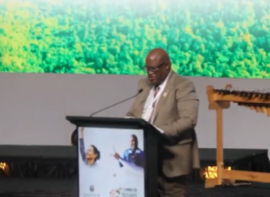
Speaking at the second International Conference on Agrarian Reform and Rural Development (ICARRD+20) in Cartagena de Indias, Colombia, Nyhontso emphasized the importance of global cooperation in addressing critical issues such as land grabbing, climate change, and the necessity for redistributive land reform. This conference, which runs from February 24 to February 28, 2026, provides an essential forum for government representatives, social movements, and international organizations to discuss these pressing challenges.
South Africa’s Land Reform Framework
Nyhontso outlined that the foundation of South Africa’s land reform program is built on three main pillars: restitution, redistribution, and tenure reform. He pointed out that while several communities have successfully reclaimed ancestral lands and some landless individuals have received governmental assistance, the overall progress has remained sluggish.
Accelerating Transformation in Land Redistribution
To enhance the pace of land reform, the South African government is revamping its redistribution strategy, marked by the introduction of the Equitable Access to Land Bill. This new legislation aims to simplify procedures and focus on helping the landless, particularly those capable of transitioning into successful commercial producers. Nyhontso emphasized the necessity for a pro-poor, state-led redistribution that affirms women’s and youth’s rights to equitable land access.
Empowering Women and Youth in Agriculture
According to the Minister, the clear policy direction mandates that 50% of redistributed land should be allocated to women, while 40% should go to the youth. This initiative aims to foster the resilience of the rural economy. Nyhontso noted a positive trend: more young people, including young women, are engaging in agriculture, emerging as successful agrarian entrepreneurs. The government is committed to strengthening support systems to ensure the sustainability and productivity of beneficiaries from land reform initiatives.
Challenges and Legislative Changes
Nyhontso reflected on the shortcomings of South Africa’s previous “willing-buyer, willing-seller” model, which failed to realize the necessary pace and scale of transformation. In response, the government has introduced new policies, including the Expropriation Act, and is advancing other legislative measures like the Communal Land Tenure and Administration Bill. These initiatives are seen not just as legislative reforms but as instruments for decolonization.
Addressing Ongoing Challenges in Land Tenure
Nyhontso also highlighted ongoing issues such as illegal evictions of farmworkers and labor tenants from commercial farms. He stressed the necessity of securing tenure rights for residents in communal areas as a critical step toward enhancing rural stability.
Global Collaboration for Effective Land Governance
Beyond national efforts, the Minister called for reinforced global governance mechanisms. South Africa advocates for the empowerment of the FAO’s Global Land Observatory to oversee land governance and urged the Committee on World Food Security to consistently report on the implementation of international declarations that safeguard the rights of peasants and Indigenous peoples.
In summary, Minister Nyhontso’s address at the ICARRD+20 conference underscores the complexities and ongoing evolution of land reform in South Africa. The government’s renewed commitment to equitable land access positions the nation to address historical injustices while promoting sustainable agricultural development.
