

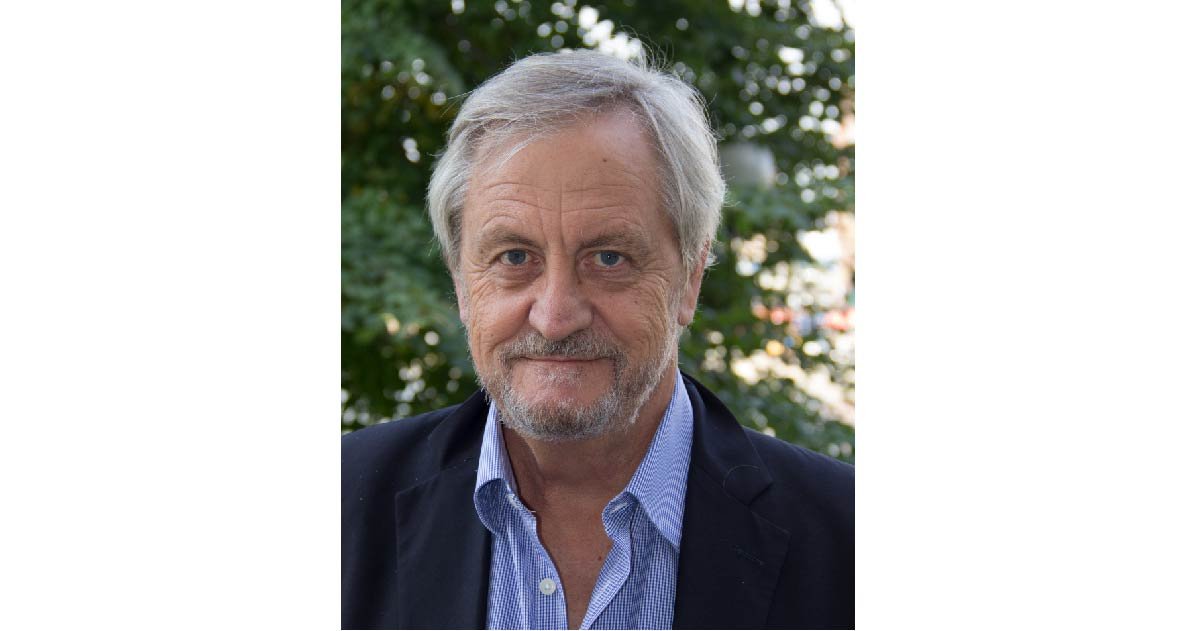
Remembering Nicholas “Fink” Haysom: A Diplomat for Humanity
Nicholas “Fink” Haysom was a senior United Nations diplomat whose contributions to peace, justice, and human dignity were unparalleled. He approached diplomacy as a vocation, not merely a profession, treating it as a calling defined by purpose and moral commitment.
Shaped by the Anti-Apartheid Struggle
Fink’s early life was profoundly influenced by the anti-apartheid movement, shaping him into a leader who deeply understood the nuances of injustice. This historical experience cultivated in him a unique blend of legal expertise and political sensibility rooted in justice, making him an exemplary figure in the realm of diplomacy.
An Influential Negotiator
During the negotiations of the Sudan Comprehensive Peace Agreement, Fink emerged as a stabilizing presence. His calm demeanor and patient approach were critical in navigating the complexities of conflict resolution, underscoring the importance of listening as a vital diplomatic tool. Fink viewed conflicts not as mere technical challenges but as intricate human realities.
A Model for Multilateral Peacekeeping
Fink further demonstrated his exceptional skills when he took over as the United Nations envoy in the sensitive negotiations between Sudan and South Sudan. His experience and judgment were crucial in fostering cooperation between the African Union and the United Nations Security Council, establishing benchmarks for effective multilateral peacemaking.
Building Trust and Relationships
He had the trust of leaders like President Thabo Mbeki, who chaired the AU High-Level Implementation Panel. Their shared history in the anti-apartheid movement lent depth and trust to the negotiations, demonstrating the relational dynamics essential for successful diplomacy.
The People-Centered Approach
Fink was not just a diplomat; he was a negotiator for the people. Grounded in the realities of the conflicts he addressed, he transcended conventional job descriptions. He worked tirelessly to connect with individuals at every level of negotiation, reminding all parties of the human stakes involved.
The Urgency of Human Consequences
Fink’s method involved a continuous reminder of the devastating human consequences of conflict. His focus was on maintaining awareness that behind every negotiation were lives in turmoil, communities disrupted, and human dignity at risk.
A Legacy Beyond Negotiation
Beyond his professional endeavors, Fink enriched the lives of those who worked alongside him. His engaging personality, often highlighted by humor and thoughtful conversation, fostered both professional growth and personal development among his colleagues.
Defining Characteristics and Values
He frequently referred to colleagues as "comrades," a term imbued with meaning that reflected a shared commitment to justice and fairness. This notion of solidarity resonates with the African philosophy of Ubuntu, emphasizing interconnected humanity.
A Champion of African Diplomacy
While South African by birth, Fink embodied the ideals of an African diplomat and statesman. His life illustrated a continuum from the anti-apartheid struggle to global peacemaking, remaining steadfast in his moral convictions throughout, even in positions of power.
Reflecting on His Life and Values
Unfortunately, Fink’s passing serves as a moment for reflection and introspection, compelling us to assess whether today’s diplomats possess the moral grounding necessary to tackle contemporary challenges. His legacy invites a re-examination of diplomacy as a discipline grounded in humanity rather than mere process.
Upholding the Standards of Diplomacy
Fink did more than practice diplomacy; he dignified it. His contributions will resonate in the peace processes he influenced and the institutions he enhanced. Most importantly, his legacy sets a standard for what diplomacy can achieve when anchored in ethical commitment.
A Final Farewell
As we remember Fink, we honor not just his achievements but also his unwavering dedication to a better world. May his memory inspire future generations of diplomats to embrace the values of justice, dignity, and deep humanity in their pursuits.
For additional insights into the dynamics of diplomatic negotiations, you may visit resources from The United Nations and The African Union.
