

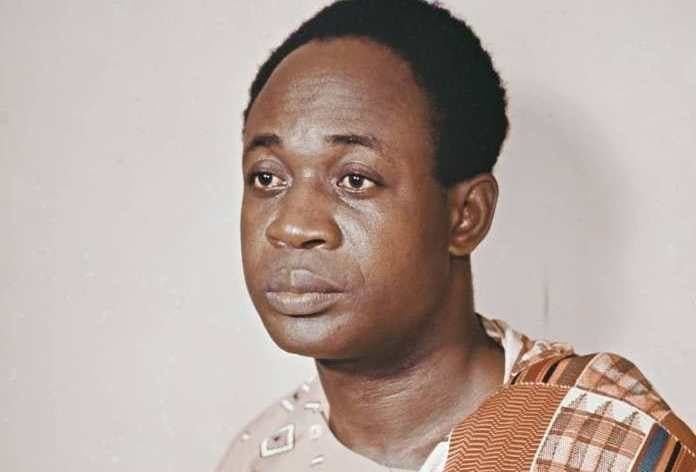
The Impact of Kwame Nkrumah’s Overthrow on Ghana and Africa: A Historical Perspective
February 24, 1966, stands as a pivotal moment in Ghana’s history, marking the day when the country’s first President, Kwame Nkrumah, was deposed through a military coup orchestrated by General Kotoka. This event not only disrupted Ghana’s progress but also dealt a significant blow to Africa’s aspirations for unity and self-determination.
The Promise of Independence: Nkrumah’s Vision
Ghana, achieving independence in 1957, became a beacon of hope for many African nations striving for liberation from colonial rule. Under Nkrumah’s leadership, the country embarked on ambitious projects aimed at fostering education, industrialization, and infrastructural development. Key initiatives, such as the Akosombo Dam, were designed to propel Ghana towards economic self-sufficiency and sustainable growth.
A Champion of Pan-Africanism
Kwame Nkrumah emerged as a dominant voice for Pan-Africanism, advocating for a united Africa as essential for true freedom. His fervent belief in collective African independence inspired many across the continent but threatened Western powers, who viewed his ideals as a challenge to their political and economic influence.
The Coup: A Turning Point in Ghanaian History
On that fateful day in 1966, Nkrumah was overseas, engaged in a peace mission in Hanoi amidst the Vietnam War. Seizing the opportunity, military officers overthrew his government, establishing the National Liberation Council, which suspended the constitution and dissolved parliament. They also banned Nkrumah’s political party, the Convention People’s Party.
The Hidden Hand of Foreign Interests
In subsequent years, declassified documents revealed the covert involvement of Western intelligence agencies, particularly the CIA, in facilitating the coup. In the context of the Cold War, Nkrumah’s socialist ideals and rejection of foreign dominance marked him as a target. His vision for a self-sufficient Africa clashed directly with Western geopolitical objectives.
Immediate Consequences of the Coup
The aftermath of the coup was dire for Ghana. Significant development projects were halted, leading to an economic downturn and political instability. Short-term survival strategies replaced Nkrumah’s long-term vision, leading the nation into a cycle of dependence on foreign aid and recurring political chaos.
The Aftermath: A Lost Dream
Ghana, once a shining example of progress in Africa, found itself facing the bleak realities of economic hardship and political turmoil. Nkrumah’s ambitious dreams of industrial growth and unity started to dissolve, leaving a legacy of missed opportunities that would echo throughout the continent.
The Broader Implications for Africa
The repercussions of the coup extended beyond Ghana’s borders, undermining Pan-African leadership and bolstering neo-colonial forces intent on maintaining Africa’s division and dependence. This betrayal—executed by Ghanaian military leaders in collaboration with foreign interests—represented a significant setback for the continent’s aspirations for genuine autonomy and progress.
The Quest for True Freedom
Nkrumah’s vision of African self-governance and resource management represented a radical departure from colonial legacies and the mental shackles that accompanied them. His commitment to equality and independence challenged both powerful external entities and local elites benefiting from colonial structures.
Reflecting on February 24: Lessons for Today
As Ghana commemorates this significant date, the scars from the coup remain evident. The lingering effects of economic dependency and developmental challenges highlight the ongoing struggle to reclaim Nkrumah’s long-term vision. Yet, the ideals championed by Nkrumah continue to inspire new generations yearning for dignity, unity, and self-determination across the continent.
A Call for Unity and Liberation
The memory of February 24, 1966, serves as a reminder of what was lost, as well as what can still be achieved. The honor bestowed upon Kwame Nkrumah as a visionary reflects the enduring legacy of his beliefs in African unity and independence. The spirit of liberation continues to guide the quest for a unified and prosperous Africa.
As the continent strives to overcome the challenges of the past, the lessons learned from Nkrumah’s life and legacy will remain crucial in the pursuit of true freedom and unity.
