
Unlocking Africa’s Mineral Potential: Strategies for Economic Growth
Africa is rich in critical mineral resources, yet it continues to lag in effectively monetizing these assets, deepening its development financing gap. With the global demand for critical minerals surging due to the energy transition, African nations find themselves at a pivotal juncture to reshape their industrial strategies.
The Development Financing Gap
Africa grapples with a staggering development financing shortfall of approximately $1.6 trillion. This gap stifles progress across crucial sectors, including health, education, energy, and infrastructure. Traditional approaches, such as foreign aid and debt relief, have proven insufficient, particularly as official development assistance is projected to decline by 9% in 2024, coupled with rising borrowing costs. Critical minerals present a promising alternative for immediate financial inflow.
A Rich Repository of Critical Minerals
The continent is home to an astounding 30% of the world’s critical minerals, supplying 75% of global cobalt and 62% of manganese, while also holding abundant deposits of lithium, copper, and rare earth elements. The Ministry of Finance estimates that revenues from just four key minerals—copper, nickel, cobalt, and lithium—could reach $16 trillion over the next 25 years, with sub-Saharan Africa poised to capture over 10% of this total. Yet, current practices reveal that African nations are only securing about 40% of potential revenues from these resources.
Strategies for Maximizing Mineral Wealth
To enhance Africa’s economic prospects, three key strategies can be put in motion:
1. Increasing Local Processing and Beneficiation
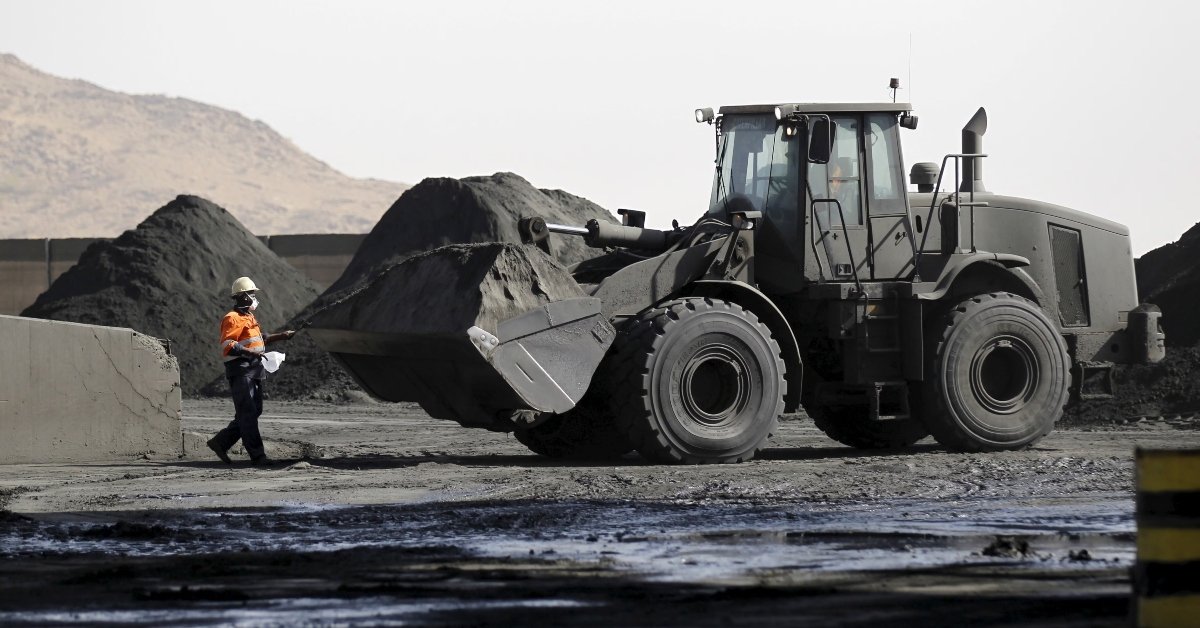
Africa’s critical mineral wealth can significantly finance development by moving up the value chain. Each processing stage—whether refining ores or creating battery-grade materials—could generate substantial tax revenue, create jobs, and retain foreign exchange that would otherwise leave the continent. Historically, Africa has exported raw materials while importing finished products at a premium, capturing less than 1% of their total economic value.
A glaring example lies in cobalt, where the Democratic Republic of Congo (DRC) produces two-thirds of global mined cobalt, with burgeoning exports and minimal processing. Value addition through refining could increase market value from roughly $70 billion today to $120 billion by 2040, potentially raising the continent’s GDP by 12% and creating approximately 2.3 million high-quality jobs.
2. Closing the Fiscal Revenue Gap
While beneficiation remains a long-term goal, immediate fiscal reform in mineral extraction can generate significant revenue. Although tax incentives may attract capital, over-reliance has led to substantial revenue losses; for instance, tax holidays in Sierra Leone deprived the economy of $131 million—equal to its entire 2024 budget deficit. A reevaluation of incentive strategies is crucial, focusing on rewards for local value addition and technology transfer.
Additionally, Africa loses around $89 billion annually to illicit financial flows, of which a significant portion occurs in the extractives sector. Stricter regulations and enhanced capacity for revenue management can curtail revenue leakage, allowing protected funds to flow directly into development initiatives.
3. Leveraging Regional Integration
To maximize these strategies, regional integration is essential. No single African country possesses the complete set of minerals necessary for an integrated clean-energy value chain; thus, coordination between nations is vital. The DRC-Zambia transboundary battery and electric vehicle special economic zone exemplifies this collaboration, as both countries boast 70% of the minerals required for battery production. A BloombergNEF study highlights the cost-effectiveness of building processing plants in sub-Saharan Africa compared to other regions.
The African Continental Free Trade Area (AfCFTA) further strengthens this model by harmonizing investment standards and infrastructure along mineral corridors, transforming isolated deposits into an industrial hub that significantly amplifies revenues.
Conclusion
Africa is facing its largest development financing gap at precisely the moment when the value of its mineral wealth is at an all-time high. As traditional financing models falter, the global energy transition creates unprecedented demand for African minerals—an opportunity that, if seized, can redefine the continent’s economic future.
By boosting local processing, reforming fiscal policies, and enhancing regional integration, Africa can transition toward a sustainable economy that relies less on external dependencies and more on the productive use of its vast mineral resources. The momentum for change is now, and the decisions made today will shape the clean energy economy for decades to come.