

Shift in Global Shipping: The Rise of African Ports Amid Geopolitical Tensions
As conflicts in the Middle East continue to threaten one of the globe’s vital oil transportation routes, many vessels are redirecting to safer and more reliable pathways. This shift is underscoring the strategic significance of African ports for international shipping.
The Emergence of Mauritius as a Refueling Hub
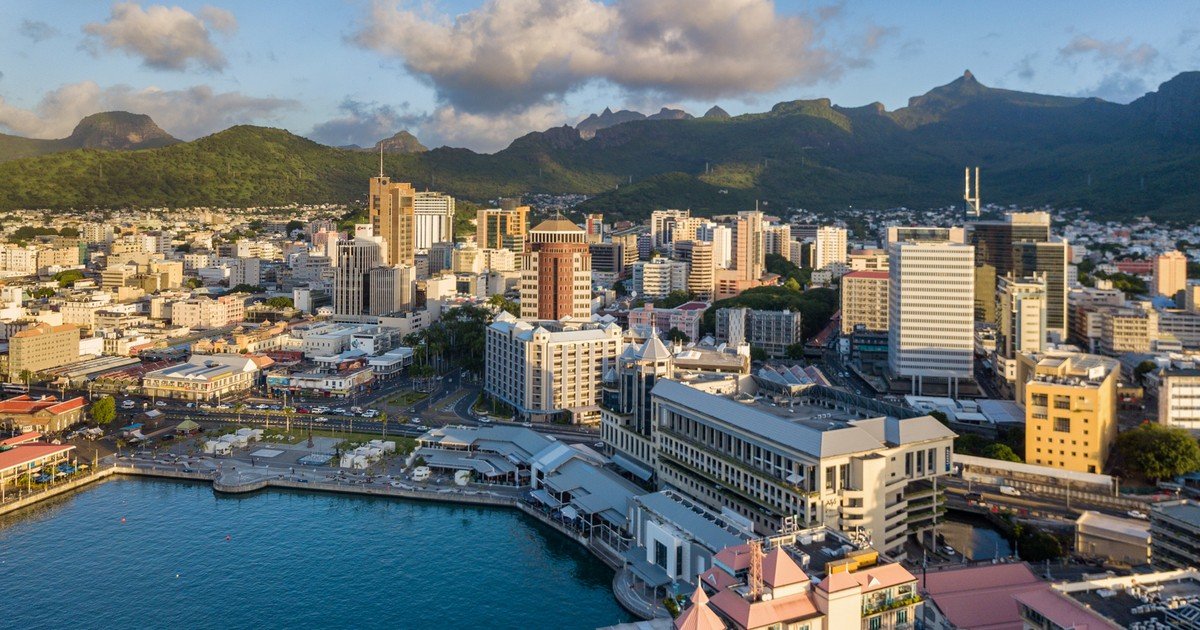
A striking example of this trend is seen in Mauritius, a small island nation that is rapidly establishing itself as an attractive refueling station for cargo ships diverted from Middle Eastern maritime channels. According to Bloomberg, the number of bunker calls at Port Louis surged by 42%, reaching 294 vessels in March, a significant rise from 207 in February, prior to the escalation of regional tensions.
Increasing Fuel Demand
The demand for fuel in Mauritius has mirrored this surge in maritime activity, soaring from 69,680 tons to 109,708 tons within the same timeframe. A spokesperson from the Mauritius Ports Authority noted that the ongoing conflicts in the Middle East could create constraints on bunker supply, making it increasingly important for shipping companies to secure reliable sources.
Namibia: Another Strategic Player
Similarly, Namibia is witnessing a notable increase in vessels calling at the Port of Walvis Bay for ship-to-ship bunkering services. This uptick indicates a broader trend where global shipping companies are adapting their operations in real time, prioritizing safety and operational certainty over established routes.
Togo’s Contribution to Trade Stability
On the western side of the continent, Togo is positioning its port infrastructure as a viable alternative in light of the ongoing disruptions. According to Togo’s Minister Delegate for Maritime Economy, Edem Kokou Tengue, the Port of Lomé can serve as a strategic alternative for global shipping lines navigating areas of uncertainty.
“Whether Asian routes carry goods intended for Asia or to other regions in Africa, the Port of Lomé now provides a safer alternative, minimizing risks associated with the Strait of Hormuz and routes through the Suez Canal and the Red Sea,” he emphasized.
Current Conditions in Key Shipping Routes
Despite a fragile truce between the U.S. and Iran, traffic through the Strait of Hormuz remains below normal levels. Hundreds of vessels are either immobilized or sailing cautiously due to ongoing security threats, including incidents involving Iran’s Islamic Revolutionary Guard Corps, which has been known to reroute ships like the Botswana-flagged Nidi.
The Vital Role of the Strait of Hormuz
The Strait of Hormuz is crucial for global energy markets, accounting for about 20% of total oil shipments worldwide. Disruptions in this corridor can have immediate repercussions on global trade, leading to increased shipping costs, higher insurance premiums, and delayed deliveries.
Conclusion
As geopolitical tensions continue to shape global shipping trends, African ports are becoming increasingly vital for ensuring logistical efficiency and operational safety in international trade. The developments in Mauritius, Namibia, and Togo highlight the adaptability of the maritime industry in responding to changing conditions, paving the way for a new era in global shipping routes.
The ongoing situation remains fluid, but one thing is certain: the strategic importance of African ports is set to rise in the face of ongoing regional instability.
