

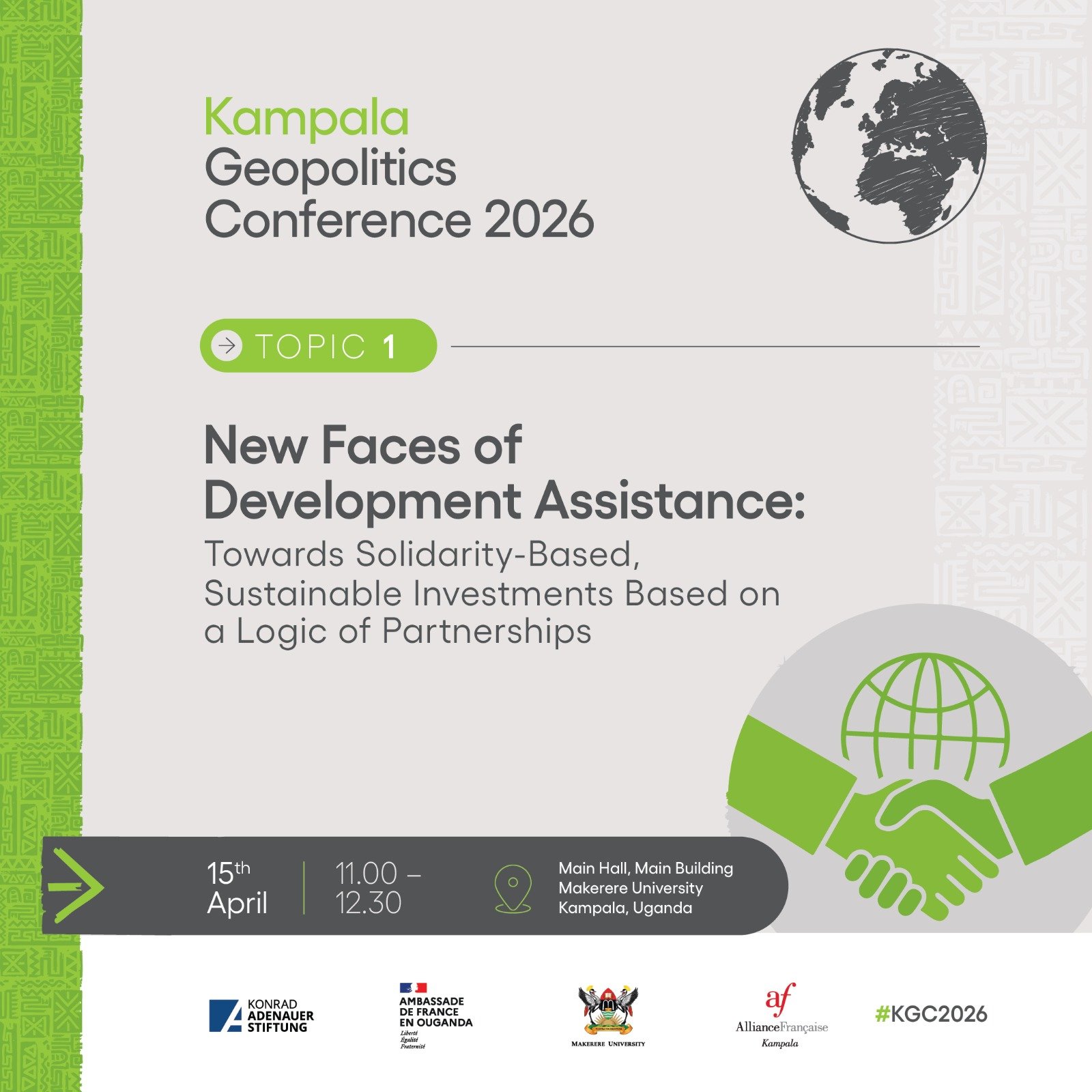
Exploring African Geopolitics: Key Insights from the Kampala Geopolitics Conference
The Kampala Geopolitics Conference, now in its ninth edition, serves as a vital platform for policymakers, scholars, diplomats, and community members to engage in candid discussions about the geopolitical landscape affecting Africa. This year, the focus is on pressing issues that resonate deeply within the continent.
Addressing Urgent Issues in African Geopolitics
The agenda includes six dynamic panels that explore critical themes like money, sovereignty, power, and the future of international cooperation. These topics are not merely theoretical; they present real challenges and opportunities that impact governments, communities, and the next generation of African leaders.
Rethinking Global Financial Architecture
One prominent panel, titled "Bretton Woods Institutions: Reimagining the Global Financial Architecture for African Growth in a Fractured World," scrutinizes the foundations of global finance. The Bretton Woods institutions, established in 1944, were designed under circumstances that largely excluded African voices. Today, African nations find themselves navigating a complex financial landscape where borrowing costs hinder substantial development despite their rich natural resources.
Sovereignty and Peace in the DRC
Moving to the Democratic Republic of Congo, the panel "Borrowed Peace, Mortgaged Resources: The DRC’s Sovereignty Dilemma and the Prospects for Lasting Peace" delves into how peace agreements, often made under duress, impact sovereignty. The intricate relationship between international interventions and local governance raises questions about the authenticity of peace when it comes with strings attached.
Ethiopia’s Quest for Regional Stability
Another crucial discussion, "Ethiopia’s Regional Ambitions and the Balance of Power in the Horn of Africa," focuses on Ethiopia’s attempts to secure sea access and how these ambitions unsettle regional dynamics. The nation’s actions have elicited varied responses from its neighbors, highlighting the ongoing struggle for cooperation versus competitive fragmentation.
Navigating External Influences
The ongoing relationship between Africa and external powers is examined in the panel "Africa and External Powers: Shaping the Terms of Engagement." With various international actors—like China, the United States, and Russia—influencing African affairs, the need for a new model of international cooperation becomes apparent. This model should prioritize local ownership and mutual benefits, moving away from traditional donor-recipient dynamics.
Youth Empowerment in Public Policy
Given that over 60% of Africa’s population is under 25, it is essential to address how young people can shape public policies. The panel "How Can Youth Shape Public Policies in Africa?" aims to clarify why the current governance systems often exclude young voices and how this gap reflects broader societal issues.
The Importance of Open Dialogue
The Kampala Geopolitics Conference aims to create an environment where unfiltered conversations about African issues can unfold. While it may not solve these complex issues, it provides a framework for participants to identify and vocalize the realities they face.
Conclusion
As the Kampala Geopolitics Conference unfolds from April 15–16, 2026, it stands as a unique opportunity to connect the dots between theory and reality in African geopolitics. This assembly empowers Africa to lead the discourse on its future, reinforcing the continent’s role as an architect of its destiny, not merely a participant in discussions dictated by external agendas.
For more on African geopolitics, check out resources from the African Union and the United Nations Economic Commission for Africa.
