

Africa’s Energy Revolution: A Leap Towards Empowerment and Sustainability
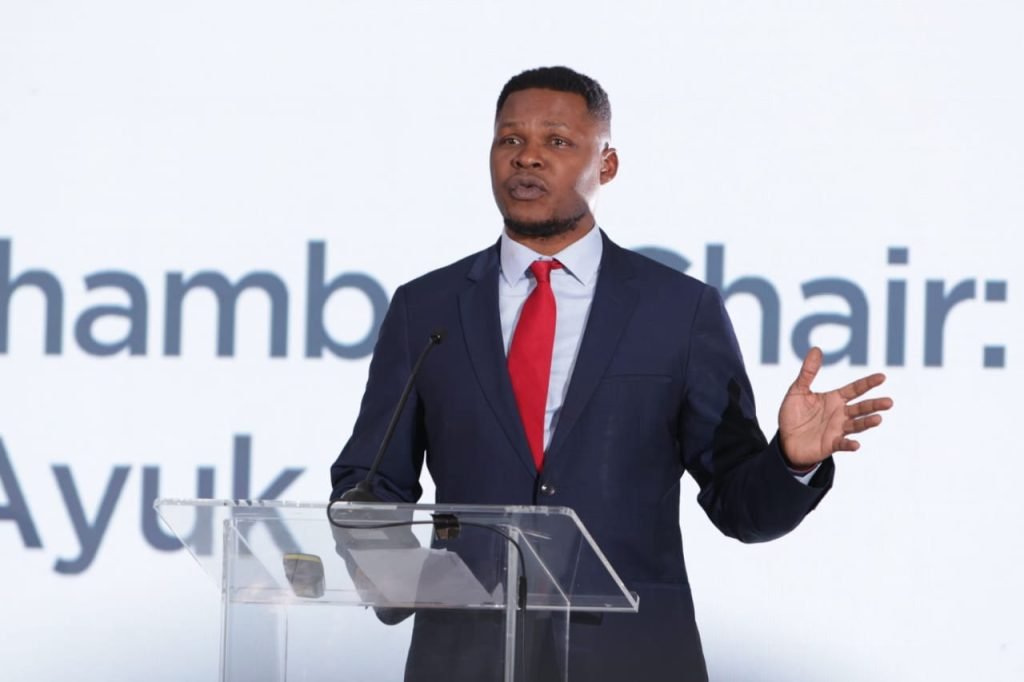
There is an electrifying sense of urgency surrounding Africa’s energy landscape, characterized not by scarcity but by unprecedented opportunity. NJ Ayuk, a prominent figure in African energy advocacy, highlights that the continent is witnessing transformative changes—from groundbreaking discoveries in frontier basins to multi-billion-dollar investments that are redefining its energy production landscape. Countries across Africa, including Nigeria, Angola, and Senegal, are progressively reclaiming control over their energy futures, shifting the narrative from mere promise to concrete power.
Unprecedented Growth in Africa’s Energy Sector
In recent years, Africa’s energy sector has demonstrated remarkable momentum, driven by significant discoveries and a series of investment decisions. Key players like Nigeria, Angola, Libya, and Egypt have launched licensing rounds that offer numerous exploration blocks to international investors, reinforcing the continent’s hydrocarbon potential. Countries such as Equatorial Guinea and Gabon have adopted open-door policies, fostering direct negotiations with investors to encourage upstream opportunities.
Major projects have been approved, including the Coral Norte FLNG Project in Mozambique and the Usan Deepwater Oil Field Development in Nigeria. Additionally, Senegal and Mauritania have successfully exported their first cargo from the Greater Tortue Ahmeyim Phase 1 project, marking a significant achievement in the West African gas sector.
Addressing Challenges in Project Implementation
Despite these advancements, the African energy sector still faces critical challenges, particularly project delays stemming from regulatory bottlenecks. The African Energy Chamber (AEC) is committed to collaborating with governments to streamline permitting processes and enhance private sector investment. Accelerating approvals will be vital in sustaining growth across the oil and gas industry.
Overcoming the “Resource Curse”
Historically linked to the so-called "resource curse," Africa’s populous nations are now leveraging their natural resources to drive economic development. Initiatives are underway to boost refining capacities in countries like Angola, which is advancing several refinery projects, and Nigeria, home to the Dangote Petroleum Refinery, one of the largest in the world.
These advancements are essential for fostering industrialization, enhancing regional energy security, and strengthening intra-African energy trade—elements increasingly crucial due to geopolitical tensions linked to global events such as the Russia-Ukraine war.
The Impact of Global Geopolitical Dynamics
Geopolitical tensions, especially in the Middle East, significantly affect energy markets. As energy demands shift due to ongoing crises, Africa stands poised to become a pivotal player in ensuring global energy stability. The reliance of European nations on supplies from Algeria, Nigeria, and Mozambique during crisis periods illustrates the continent’s prominence in global energy discussions.
Strategic Alliances: Learning from Venezuela
Recently, the AEC engaged in a significant diplomatic mission to Venezuela, aiming to cultivate South-South alliances and learn from Venezuela’s extensive experience in the oil sector. With over 20,000 drilled wells, Venezuela offers invaluable insights for emerging African hydrocarbon economies, especially regarding large-scale upstream development and reservoir management.
The collaboration aims to strengthen workforce development, with potential exchanges in technical training that could be instrumental for African nations aspiring to maximize their oil and gas potentials.
Championing Local Content and Diversity
A key priority for the African Energy Chamber is advocating for increased local content and diversity within the energy sector. By promoting inclusivity, especially for women and African professionals, the Chamber emphasizes that local empowerment is crucial for sustainable growth. There’s a growing recognition that without harnessing the skills and insights of local communities, resource extraction may lead to economic disparity and energy insecurity.
This commitment to local participation is uncompromising; the Chamber has issued a boycott of events that fail to prioritize African empowerment, asserting that Africans should lead conversations about Africa’s resources.
Preparations for African Energy Week 2026
The anticipation for African Energy Week (AEW) 2026 is building, with preparations already underway. This prominent event will unite regulators, investors, and industry leaders across the continent and beyond, facilitating deal-making and strategic partnerships vital for Africa’s energy future.
AEW 2026 aims to explore emerging opportunities in oil, coal, and gas sectors shaped by global geopolitics. With confirmed participation from OPEC and several African energy ministers, this event promises to be a cornerstone in advancing Africa’s energy discourse.
The Future: Financing Africa’s Energy Needs
There is immense potential within Africa’s untapped domestic capital, estimated at over $4 trillion, to finance vital energy infrastructure. The establishment of the African Energy Bank with an initial $10 billion commitment underscores this initiative, targeting priority oil and gas projects in regions like Nigeria and Angola. As the continent moves towards unlocking its energy financing potential, strategic collaborations and partnerships will be key to fostering growth and sustainability.
The evolving landscape of Africa’s energy sector presents both opportunities and challenges. However, with a united vision toward empowerment, innovative strategies, and a commitment to local participation, the continent stands on the precipice of a prosperous energy future.
For more insights on Africa’s energy developments, visit the African Energy Chamber’s official site.
