

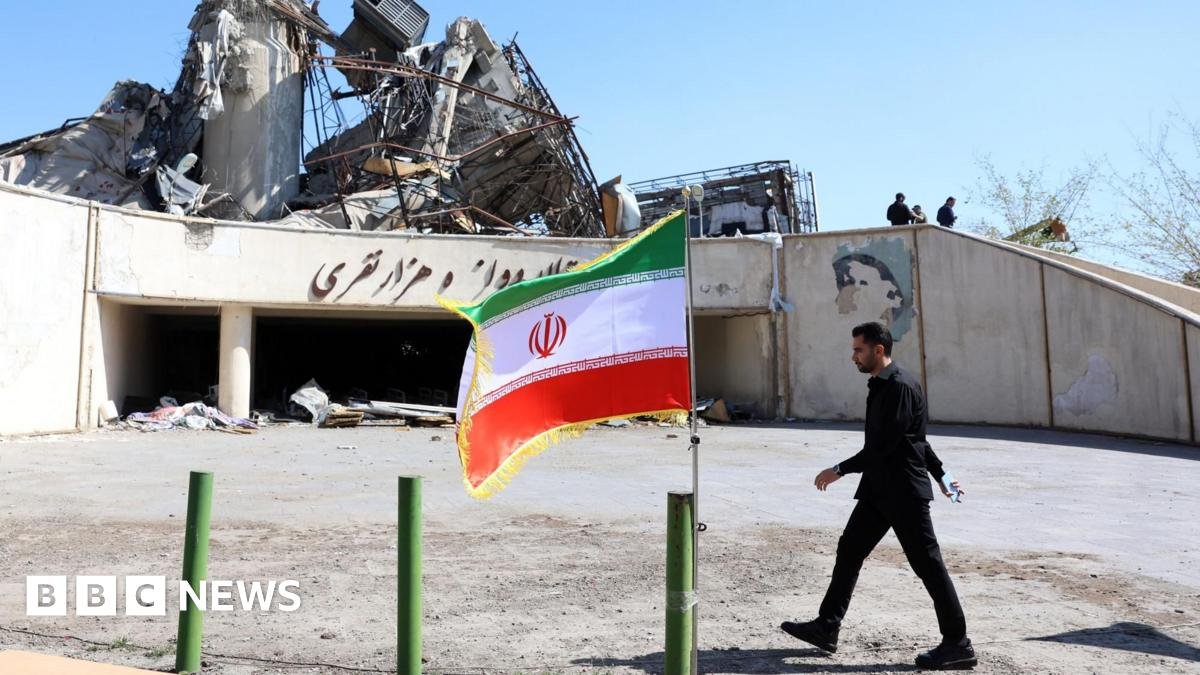
The Economic Strain of War: Voices from Tehran
The ongoing conflict has left many residents of Tehran deeply concerned about its economic repercussions. As tensions rise, individuals from various walks of life share their worrying experiences, reflecting the broader sentiment of uncertainty and fear.
Fear of Retaliation
Among those expressing their fears is Bahman, a 20-something living in Tehran. He stated, “I think Trump is scared of what Iran is going to do. I’m sure that Iran will hit everywhere in the region in retaliation.” This comment highlights the pervasive anxiety about potential regional destabilization and its impact on daily life.
Impact on Employment and Businesses
The financial ramifications of the conflict have disrupted the routines of many. For instance, a building superintendent engineer noted, “I don’t have a routine anymore, and I can’t even go to work with the situation because no-one is building anything right now.” Several smaller enterprises have begun laying off employees, contributing to a growing sense of economic despair.
Jamshid, who manages a restaurant in Tehran, echoed these sentiments. “My business is not the same as before the war. I’m not optimistic about the situation,” he lamented. With rent soaring to 200 million tomans per month (approximately $1,270), he struggles to keep his business afloat, especially as the average monthly salary ranges between $200 and $300.
Access to Essential Services
The escalating conflict has also impacted access to the internet, an essential service for many. Residents report high prices for internet access, often relying on shared connections from satellite systems like Starlink. However, the use or possession of Starlink in Iran can lead to severe punishments, including imprisonment. Authorities are actively seeking to confiscate these devices to limit access to information.
As a result, internet access is traded on platforms like Telegram for around $6 per gigabyte, creating additional financial strain for residents. Marjan, a young woman from Tehran, expressed her frustration: “I feel like I’m losing my mind. I didn’t even renew my internet package that I’m paying so much for.” Her distress is shared by many as they cope with constant uncertainty, leading to personal conflicts within families. “My parents argue over the smallest things now,” she added, revealing how external pressures weigh heavily on personal relationships.
Mental Health Concerns
The psychological toll of the ongoing conflict cannot be understated. Marjan conveyed her struggles, stating, “I’ve had three mental breakdowns already today.” The collective stress and anxiety among the population highlight a growing mental health crisis exacerbated by the war.
As the conflict continues to unfold, the voices from Tehran encapsulate the deep-seated fears and challenges faced by everyday citizens. Their testimonies serve as a poignant reminder of the human toll of geopolitical strife.
For more about the broader implications of international conflicts, please visit BBC’s coverage on International Relations.
