

Nigeria’s Food Waste Crisis: A Call to Action
Nigeria has been identified as the leading food-wasting nation in Africa, with an alarming 38 million tonnes of food wasted annually. This situation has sparked urgent calls for intervention from the European Union, the Nigerian Federal Government, and the United Nations Industrial Development Organisation (UNIDO).
The Alarming Statistics
At a recent event marking International Zero Waste Day in Abuja, experts underscored the dire environmental and economic implications of food waste. Resources such as water, energy, and labor are wasted when food is discarded, contributing to broader challenges like climate change and hunger.
Global Context
Zissimos Vergos, the Deputy Ambassador of the EU Delegation to Nigeria and ECOWAS, acknowledged the gravity of the issue. He highlighted that globally, nearly 1 billion tonnes of food were wasted in 2022, which constitutes nearly 20% of all food available to consumers. "This is not just a loss of food," he stated, "it is a squandering of precious resources, a missed opportunity to combat hunger, and a direct threat to our planet’s health."
Environmental Impact of Food Waste
Vergos emphasized the environmental consequences of food waste, which is responsible for up to 10% of global greenhouse gas emissions and nearly 40% of methane emissions. The need for immediate action is critical to mitigate these effects.
Nigeria’s Proactive Measures
Despite the challenges, Nigeria is taking steps to address food waste. The country has initiated the Nigeria Circular Economy Roadmap, established an Interministerial Circular Economy Committee, and is working on a National Plastic Waste Management Regulation. These measures signify a commitment to internal solutions rather than relying solely on external help.
Key Strategies for Improvement
To effectively tackle food waste, several strategies have been proposed:
- Enhancing rural infrastructure for storage and cold chains
- Boosting agro-processing to minimize post-harvest losses
- Integrating zero-waste education into school curricula
Vergos reiterated the EU’s readiness to support these initiatives through funding and technical cooperation.
Government Commitment
Balarabe Lawal, the Minister of Environment, reiterated the government’s dedication to mitigating food waste as part of broader sustainability efforts. "Every discarded meal represents wasted resources," he remarked, highlighting the link between food waste, food insecurity, and sustainable development.
Projects in Action
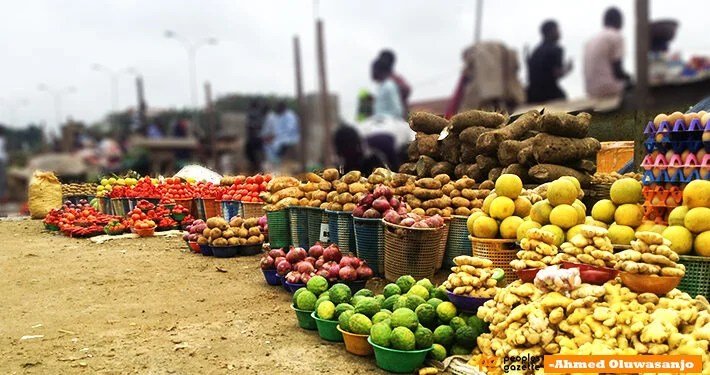
The Federal Ministry of Environment has developed targeted projects aimed at eliminating food waste in major markets throughout Nigeria. Lawal noted that these initiatives are designed to address post-harvest losses and promote responsible consumption patterns.
The Bigger Picture
Philbert Johnson, the Director and Representative of UNIDO’s Sub-Regional Office in Nigeria, emphasized the broader implications of food waste on national development. "Food is far more than a commodity; it is a foundation of wealth, a driver of health, and a pillar of security," he stated. When food systems operate efficiently, they contribute to economic resilience and societal stability; when they fail, the repercussions affect all sectors.
Collective Agreement for Action
Stakeholders at the event reached a consensus that addressing Nigeria’s food waste crisis is not just vital for environmental sustainability but also crucial for enhancing food security and economic stability across the nation.
By recognizing the severity of food waste and taking actionable steps, Nigeria can pave the way for a more sustainable future. The collaboration among governmental bodies, international organizations, and local stakeholders is essential for creating a robust food system that not only minimizes waste but also secures resources for future generations.
